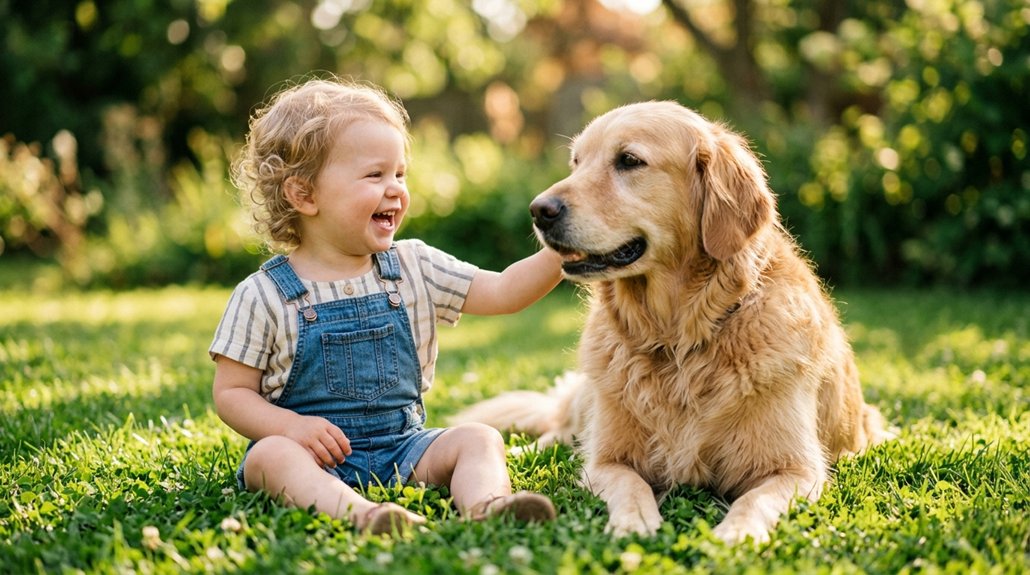
Choosing the wrong dog breed could turn your child’s best friend into their worst nightmare. You want a companion that’s gentle, patient, and sturdy enough to handle a kid’s energy. Not every small breed fits that bill, though. Temperament matters far more than size, and knowing which breeds make the cut could change everything. Keep going — what you’ll discover might surprise you.
What Makes a Small Dog Safe for Young Children?
When choosing a small dog for your young child, temperament matters far more than size. A tiny dog with a short fuse is basically a furry land mine — adorable until someone steps wrong. You’ll want a breed that’s patient, gentle, and not easily startled by a toddler’s unpredictable chaos.
Look for dogs known for being friendly, adaptable, and tolerant of noise, sudden movements, and the occasional tail-pulling incident. Trainability also matters — a dog that learns boundaries quickly keeps everyone safer and happier.
Energy levels should match your child’s lifestyle, too. An anxious or overly territorial small dog isn’t the right fit, no matter how cute it looks. Prioritize personality over appearance, and you’ll find the perfect tiny companion.
Best Small Dog Breeds for Young Children
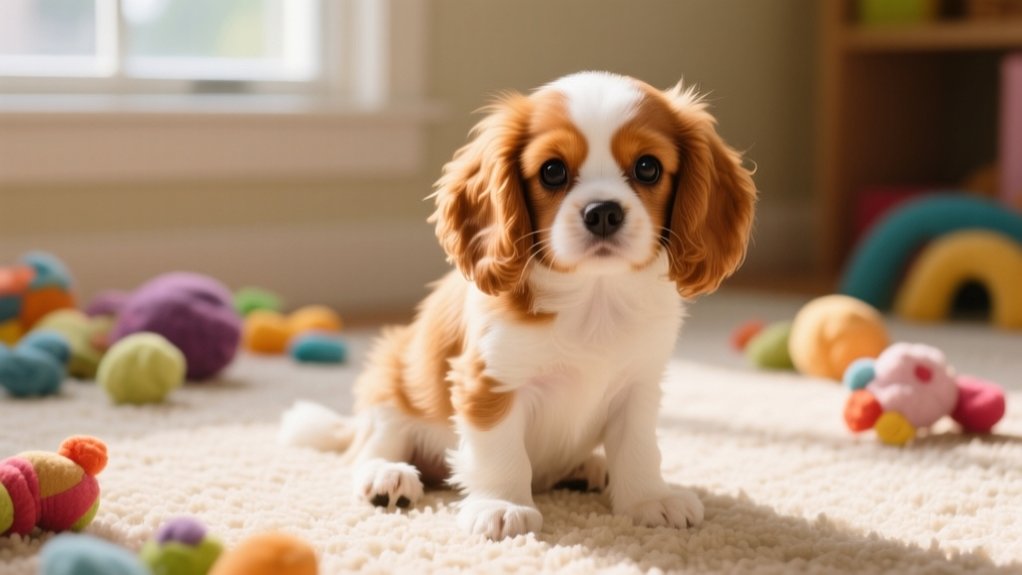
Several small dog breeds stand out as especially well-suited for young children. The Cavalier King Charles Spaniel is basically a stuffed animal that breathes — gentle, patient, and endlessly affectionate. Beagles are sturdy little detectives who’d rather sniff your kid’s sandwich than bite anyone. Pugs are the comedians of the dog world, perfectly content to waddle around and make everyone laugh. Bichon Frises are fluffy clouds of happiness that rarely lose their temper. Finally, the French Bulldog offers big-dog personality in a small, low-maintenance package.
You’ll find that these breeds typically combine patience, durability, and a laid-back temperament — exactly what you need when your toddler’s “petting” looks suspiciously like a wrestling move. Choose wisely, and you’ve got yourself a built-in best friend.
Small Dogs Sturdy Enough to Handle Active Kids
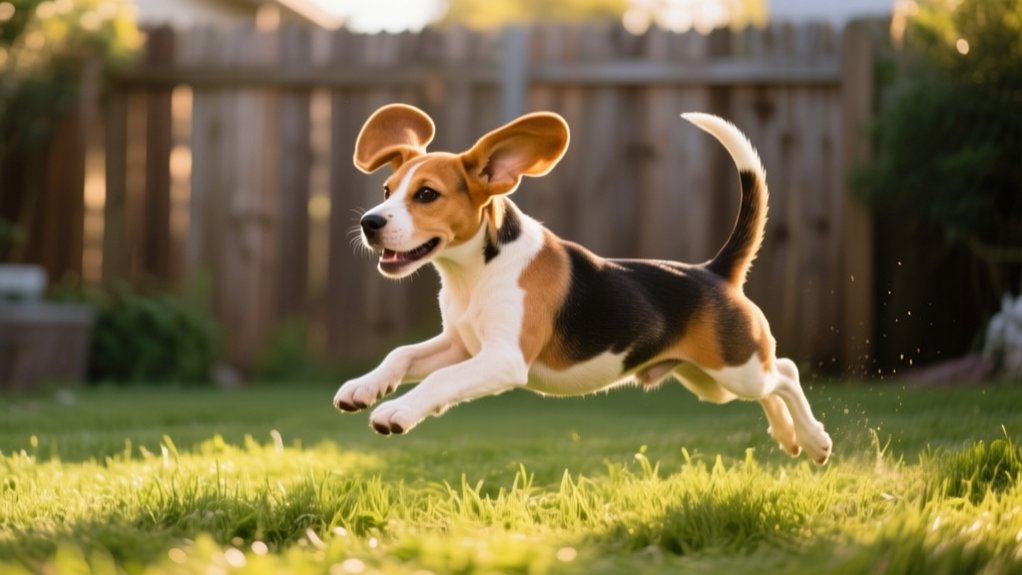
Not every small dog is built to keep up with a rambunctious, high-energy child — but some are surprisingly tough and agile. If your kid’s a tiny tornado, consider these sturdy small breeds that won’t shatter like fine china:
- Beagle – Compact, curious, and practically indestructible.
- French Bulldog – Stocky enough to survive enthusiastic toddler hugs.
- Miniature Schnauzer – Feisty, energetic, and surprisingly resilient.
- Pug – Built like a little tank with a wrinkly smile.
These breeds combine small size with genuine toughness, making them ideal companions for active kids. They’re playful, sturdy, and won’t hold grudges when your child accidentally treats them like a stuffed animal.
How to Introduce a Small Dog to Your Child
Bringing a small dog home is exciting, but the introduction between your child and new pet sets the tone for their entire relationship. Think of it like a first date — nobody wants chaos right away.
| Do This | Avoid This |
|---|---|
| Let the dog approach first | Forcing immediate hugging |
| Use calm, quiet voices | Shrieking with excitement |
| Supervise every interaction | Leaving them unsupervised |
| Reward gentle behavior | Ignoring rough handling |
You’re basically the director of this friendship movie, so keep it low-key initially. Teach your child to extend a hand slowly, letting the dog sniff before petting. Short, positive sessions build trust faster than marathon meet-and-greets. Remember, you’re setting both of them up for a lifelong partnership.
Warning Signs a Small Dog Is Stressed Around Your Child

Even the most patient small dog has limits, and recognizing stress signals early can prevent a bite or a broken bond. Think of these behaviors as your dog’s polite resignation letter before they go full dramatic exit mode.
Every dog has a breaking point — learn to read the warning signs before the resignation letter becomes a termination notice.
Watch for these red flags:
- Yawning or lip-licking — not because lunch was great, but because they’re overwhelmed.
- Whale eye — that wide, whites-showing stare screaming, “Get this kid away from me.”
- Tucked tail or flattened ears — their version of hiding under the covers.
- Stiff body or freezing — the calm before the very unfortunate storm.
If you’re spotting these signals, intervene immediately. Separate your dog, give them quiet space, and rethink how interactions are structured going forward.