
If you have a small dog, you’ve likely noticed they can be a bundle of nerves. Anxiety in small breeds is surprisingly common, yet many owners don’t know where to start when it comes to helping them. The good news is that effective relief doesn’t always require a vet visit. There are proven at-home treatments worth knowing about.
Why Small Dogs Are More Prone to Anxiety Than Other Breeds
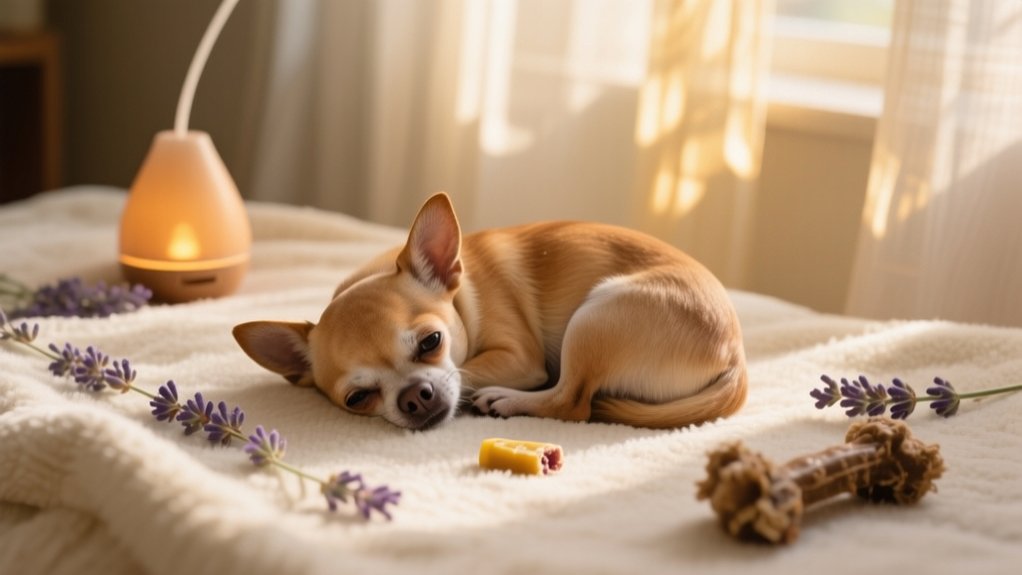
Small dogs are often more prone to anxiety than their larger counterparts, and understanding why can help you better support your pet. Think about it — being pocket-sized in a world built for giants would stress anyone out. Small breeds like Chihuahuas and Dachshunds tend to experience more fear-based anxiety because they’re physically vulnerable and know it. They’re also frequently over-protected by well-meaning owners, which ironically reinforces their anxious behavior. You’re basically teaching them the world is terrifying by treating them like they’re made of glass. Moreover, small dogs often have bigger personalities crammed into tiny bodies, making them naturally higher-strung. Recognizing these patterns means you’re already halfway to helping your little furry drama queen feel safer and calmer.
Real Signs of Anxiety in Small Dogs
Knowing why small dogs get anxious is only half the battle — you also need to recognize what that anxiety actually looks like. Spoiler: it’s not subtle. These tiny drama kings and queens wear their emotions loudly.
Knowing why small dogs get anxious is only half the battle — recognizing what it actually looks like is where it gets real.
Watch for these telltale signs:
- Excessive barking — your Chihuahua’s convinced the mailman’s a war criminal
- Destructive chewing — say goodbye to your favorite shoes
- Trembling or shaking — like a tiny leaf in a hurricane
- Accidents indoors — despite being fully house-trained
If you’re noticing two or more of these behaviors regularly, your pup’s likely struggling with anxiety. Don’t dismiss it as “just their personality.” That’s real distress, and it deserves a real solution.
The Most Effective At-Home Treatments for Small Dog Anxiety
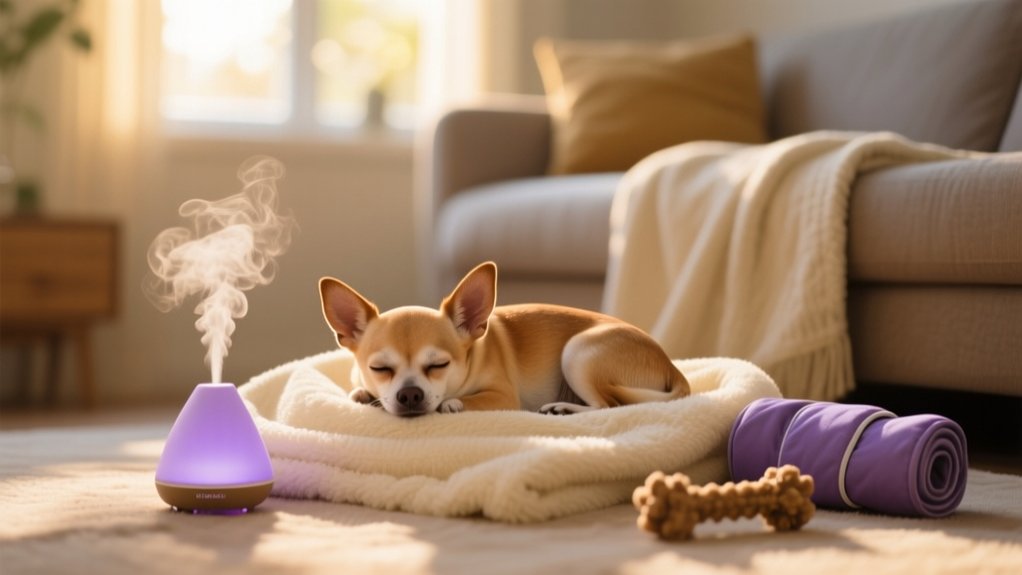
Once you’ve spotted the signs, there are five at-home treatments that can make a real difference for your anxious small dog — no prescription required.
Calming wraps apply gentle pressure, like a tiny hug your dog actually wants. Puzzle toys redirect nervous energy into something productive (and hilarious to watch). Lavender aromatherapy can soothe frayed nerves — yours included. Consistent routines eliminate uncertainty, because your dog’s anxiety thrives on “wait, what’s happening now?” energy. Finally, calming supplements like melatonin or chamomile offer natural relief without turning your pup into a zombie.
These aren’t magic fixes, but combined, they’re genuinely effective. Think of them as your anxious dog’s wellness toolkit — minus the copay, the waiting room, and the mortifying paper gown.
Natural Remedies for Small Dog Anxiety That Actually Work
When your small dog’s anxiety is running the show, five natural remedies consistently rise above the rest: CBD oil, valerian root, passionflower, L-theanine, and rescue remedy blends. Think of them as your dog’s chill-pill toolkit.
Here’s how to make them work:
- Start with CBD oil — low doses, high patience
- Add L-theanine for thunderstorms or fireworks panic
- Try valerian root when nighttime restlessness strikes
- Use rescue remedy blends for acute, situational meltdowns
You won’t see overnight miracles, but you’ll notice your tiny drama queen gradually reclaiming their calm. Consistency beats desperation every time. Pair these remedies with behavioral strategies, and you’re genuinely stacking the odds in your favor — and your dog’s.
When Your Small Dog Needs More Than Home Treatment
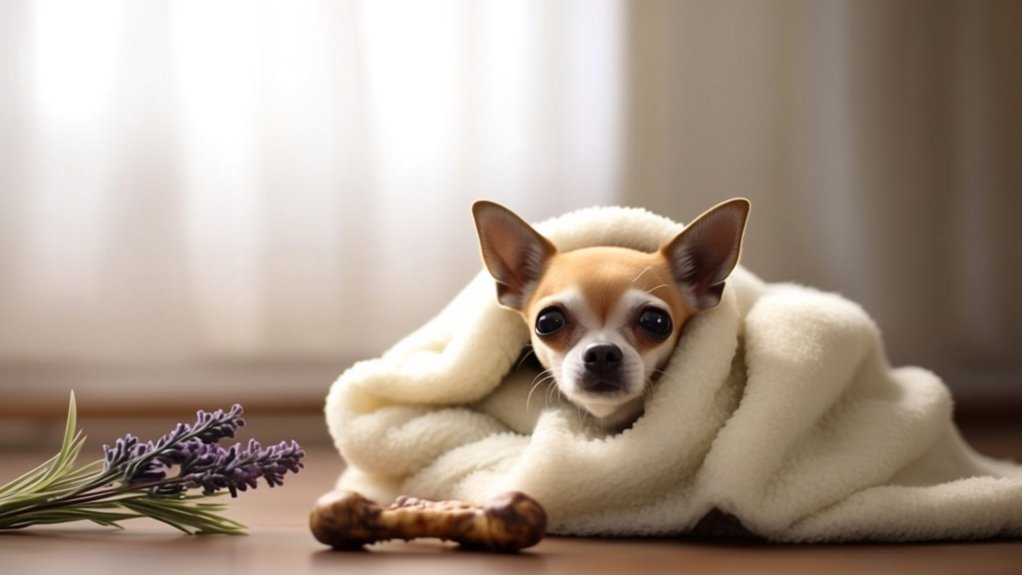
Sometimes natural remedies and behavioral strategies aren’t enough, and recognizing that moment is critical. If your tiny furball’s anxiety is making daily life look like a dramatic soap opera—constant trembling, destructive behavior, or aggression—it’s time to call in professional backup.
When natural remedies fail and your pup’s anxiety resembles a soap opera, professional help isn’t optional—it’s essential.
Watch for these red flags:
- Severe, persistent symptoms that don’t improve despite your best efforts
- Self-harm behaviors like excessive licking or chewing
- Aggression toward people or other animals
- Complete appetite loss lasting more than a day
Your vet can prescribe medication specifically formulated for anxious small dogs, or refer you to a veterinary behaviorist—basically a dog therapist, which sounds ridiculous but genuinely works. Don’t let pride delay professional help; your pup deserves relief beyond what chamomile tea can offer.

Comments are closed, but trackbacks and pingbacks are open.