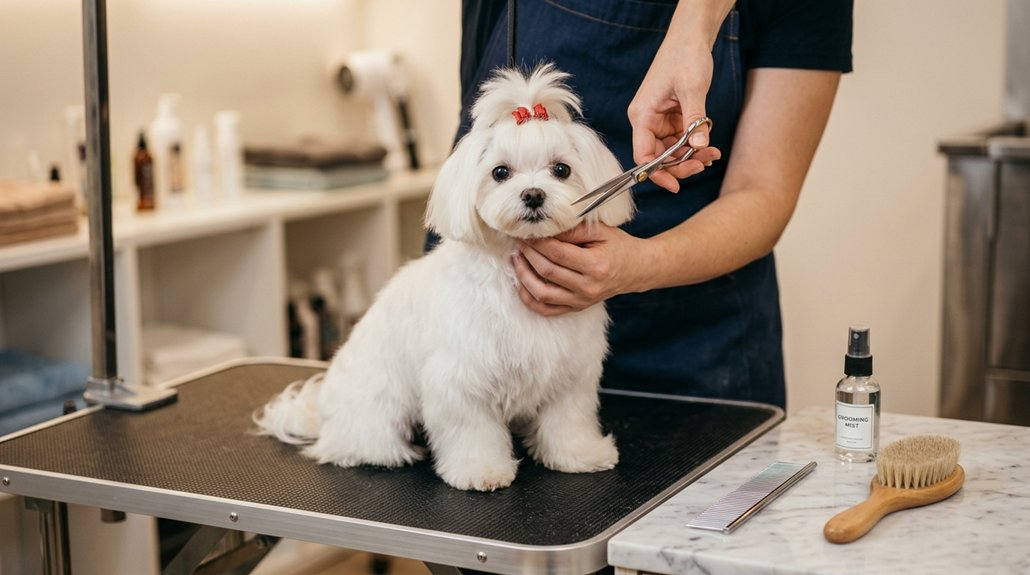
Grooming your little dog isn’t just about appearances — it’s essential for their health and comfort. How often you groom depends on their coat type, breed, and lifestyle. Get it wrong, and you’re looking at matting, skin issues, and unnecessary vet bills. The good news? There’s a straightforward way to figure out exactly what your dog needs, and it starts with understanding one key factor.
How Often Should Small Dogs Be Groomed?
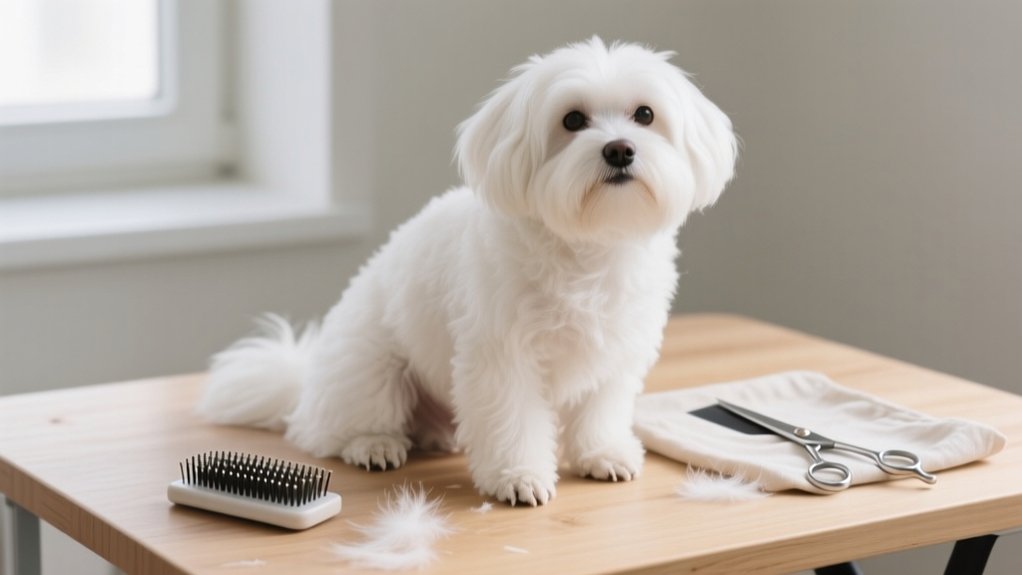
Grooming frequency for small dogs depends on their coat type, lifestyle, and individual needs. If your pup’s rocking a long, flowing mane like a tiny celebrity, you’re looking at brushing every day and professional grooming every four to six weeks. Short-coated dogs? They’re lower maintenance — brush them weekly and schedule grooming every eight to twelve weeks. Curly or wavy coats fall somewhere in between, needing brushing several times weekly and salon visits every six to eight weeks.
Beyond coat type, consider your dog’s activity level. If your little furball’s basically a mud magnet, you’ll bathe them more frequently. Generally, most small dogs benefit from a bath every two to four weeks — unless they’ve decided a trash can smells amazing.
Why Coat Type Determines Your Small Dog’s Grooming Frequency
Your dog’s coat type is the single biggest factor in how often they need grooming, and understanding the three main coat types — smooth, long, and curly — makes it much easier to build a realistic routine. Think of it like hair types in humans — some folks roll out of bed looking fabulous, while others need serious intervention.
| Coat Type | Example Breeds | Grooming Frequency |
|---|---|---|
| Smooth | Chihuahua, Dachshund | Every 4–6 weeks |
| Long | Maltese, Yorkie | Every 2–4 weeks |
| Curly | Bichon Frise, Poodle | Every 3–6 weeks |
Curly coats mat fastest, long coats tangle dramatically, and smooth coats are basically the easygoing friends everyone wishes they had.
Grooming Frequency by Small Dog Breed
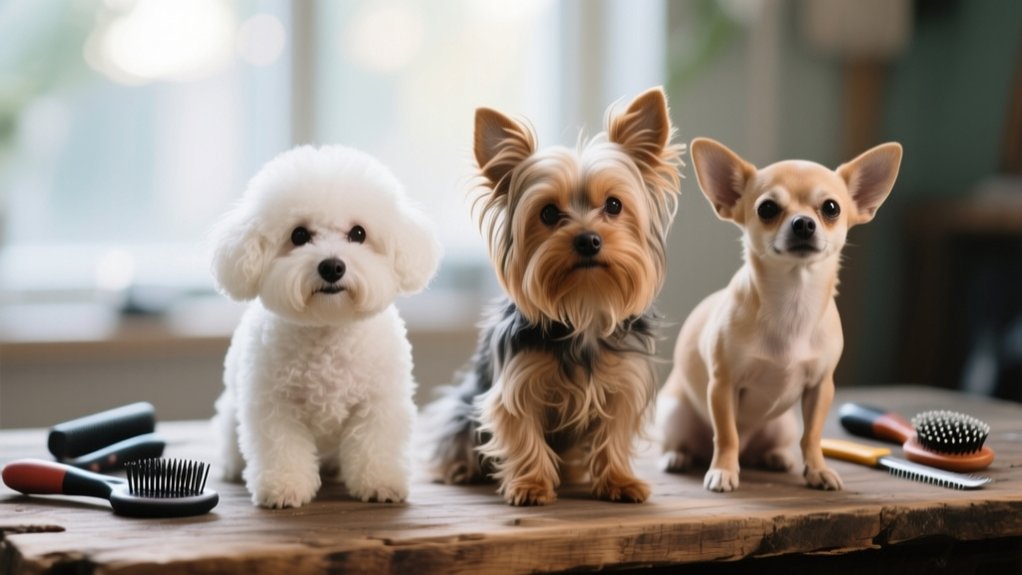
While coat type gives you a solid framework, individual breeds can still surprise you — some long-coated dogs are surprisingly low-maintenance, while certain smooth-coated breeds shed heavily enough to warrant more frequent attention. Here’s a quick breed-specific breakdown:
- Maltese & Shih Tzu – Brush every 1–2 days; professional grooming every 4–6 weeks.
- Chihuahua (smooth-coat) – Weekly brushing handles the surprisingly dramatic shedding.
- Poodle mixes – Every 6–8 weeks professionally; daily brushing prevents matting nightmares.
- Dachshund (wirehaired) – Hand-stripping twice yearly keeps their coat properly textured.
Your breed’s grooming schedule isn’t just about looks — skipping it means dealing with mats, skin issues, and a dog that secretly resents you during bath time.
How to Build a Small Dog Grooming Schedule by Coat and Breed
Building a grooming schedule starts with knowing your small dog’s coat type, since short-coated breeds like Chihuahuas and Miniature Pinschers need brushing only once or twice a week, while long-coated breeds like Shih Tzus and Maltese require daily brushing to prevent tangles and mats. If you’ve got a long-coated breed, you’ll also need to factor in professional grooming appointments every four to six weeks to keep the coat trimmed and healthy. Short-coated dogs can often go six to eight weeks between baths, but long-coated breeds typically need bathing every two to four weeks to keep their flowing fur clean and manageable.
Short Coat Grooming Frequency
Short-coated small dogs like Chihuahuas, Miniature Pinschers, and Rat Terriers are among the easiest to maintain, but they still need a consistent grooming schedule to stay healthy and looking their best. Think of it as low-maintenance, not no-maintenance—there’s a difference!
Here’s your short-coat grooming cheat sheet:
- Brushing – Once weekly with a rubber curry brush to remove loose hair (and prevent your couch from becoming a fur coat).
- Bathing – Every 4–6 weeks, or sooner if they’ve rolled in something questionable.
- Nail trimming – Every 3–4 weeks to avoid the dreaded “tap-tap-tap” on your hardwood floors.
- Ear cleaning – Monthly to prevent infections that’ll have everyone miserable.
Long Coat Breed Schedules
Long-coated small dogs like Shih Tzus, Maltese, and Yorkshire Terriers are a different story altogether—they’re beautiful, but that coat doesn’t maintain itself. You’re signing up for a real commitment, so plan accordingly.
| Task | Frequency |
|---|---|
| Brushing | Daily |
| Bathing | Every 2–3 weeks |
| Professional grooming | Every 4–6 weeks |
| Eye/beard trimming | Every 2 weeks |
Skip brushing for a few days, and you’ll be untangling a tiny, furious mop. Daily brushing prevents matting, while professional grooming keeps everything shaped and manageable. Bathing every two to three weeks maintains coat health without stripping natural oils. Stick to this schedule, and your little glamour dog stays picture-perfect instead of resembling an abandoned dust bunny.
Should You Groom Your Small Dog at Home or Use a Professional?
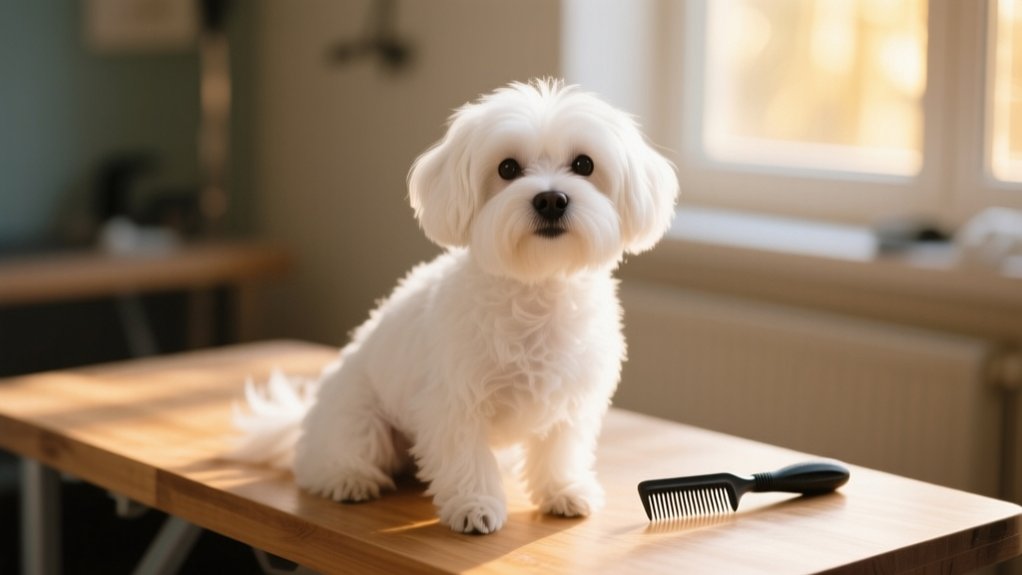
Whether you groom your small dog at home or take them to a professional depends on a few key factors, including your dog’s coat type, your budget, and your comfort level with grooming tasks. Consider these four things:
- Budget – Professionals aren’t cheap, but neither is replacing furniture your stressed pup destroyed.
- Coat complexity – Doodle owners, just go ahead and book the appointment now.
- Your patience level – If scissors near a wiggling dog sound terrifying, a pro’s your friend.
- Time – DIY grooming takes practice and hours you might not have.
Many owners do basic brushing at home and reserve professional grooming for trims and deep cleans every 4–8 weeks.
Tools Every Small Dog Owner Needs Between Appointments
Whether you groom your dog at home or just maintain between professional appointments, you’ll need a few key tools on hand. The right brushes and combs for your dog’s coat type, a reliable nail trimmer, and proper ear and eye care supplies are the essentials you shouldn’t skip. Having these items ready means you’re set to keep your little dog looking and feeling their best without waiting for the next grooming session.
Essential Brushes And Combs
Between professional grooming appointments, the right brushes and combs can make a real difference in your small dog’s coat health and comfort. Think of yourself as their personal stylist—minus the fancy salon chair. Here’s what you’ll need:
- Slicker brush – Tackles tangles and loose fur without drama.
- Metal comb – Detects hidden mats before they become expensive problems.
- Bristle brush – Distributes natural oils, giving coats that *chef’s kiss* shine.
- Dematting comb – Because some knots refuse to cooperate peacefully.
Using these tools regularly keeps your pup looking polished and prevents uncomfortable matting. A quick five-minute brushing session several times weekly beats a two-hour detangling battle any day—trust us, your dog agrees.
Nail Trimming Must-Haves
Keeping your small dog’s nails at a safe length between grooming appointments requires just a few key tools. First, grab a quality pair of scissor-style or guillotine clippers sized for small breeds — your Lab-sized clippers won’t cut it (pun intended). A styptic powder or pencil is non-negotiable because you *will* accidentally nick the quick at least once, and panic doesn’t stop bleeding. A nail file or grinder smooths rough edges after clipping, preventing your dog’s nails from snagging on everything you own. Good lighting is surprisingly vital — you’re fundamentally performing surgery on a wiggling potato. Finally, keep high-value treats nearby. Bribery isn’t shameful; it’s strategic. With these tools ready, you’ll confidently maintain those tiny nails without booking an emergency groomer visit.
Ear And Eye Care
Small dogs — especially floppy-eared breeds like Cocker Spaniels and Cavaliers — are prone to ear infections, so catching buildup early saves your dog real discomfort and you an expensive vet bill.
Keep these tools handy:
- Veterinarian-approved ear cleaning solution — nothing DIY; skip the internet recipes
- Cotton balls — gentle enough for sensitive ears, unlike cotton swabs, which dig too deep
- Eye wipes or tear stain remover — because crusty eye boogers aren’t a good look for anyone
- Small flashlight — helps you spot redness, discharge, or debris before it becomes a problem
Check ears weekly and wipe eyes daily. You’ll catch issues early and keep your pup looking (and feeling) their adorable best.
Signs Your Little Dog Is Overdue for Grooming
Even the most diligent dog owner can lose track of grooming schedules, so it helps to know the telltale signs that your little dog is overdue for a session. If your pup’s fur resembles a tumbleweed or their eyes are barely visible beneath a curtain of hair, it’s time. Scratching their ears constantly? That’s another red flag. Matted fur that’s developed its own zip code, nails clicking across the floor like tiny tap shoes, and a smell that clears rooms are all classic warnings. You might also notice your dog bumping into furniture because their fringe has become a full blindfold. When strangers can’t tell which end is which, you’ve officially waited too long. Book that grooming appointment immediately.
The Real Cost of Skipping Your Small Dog’s Grooming Routine
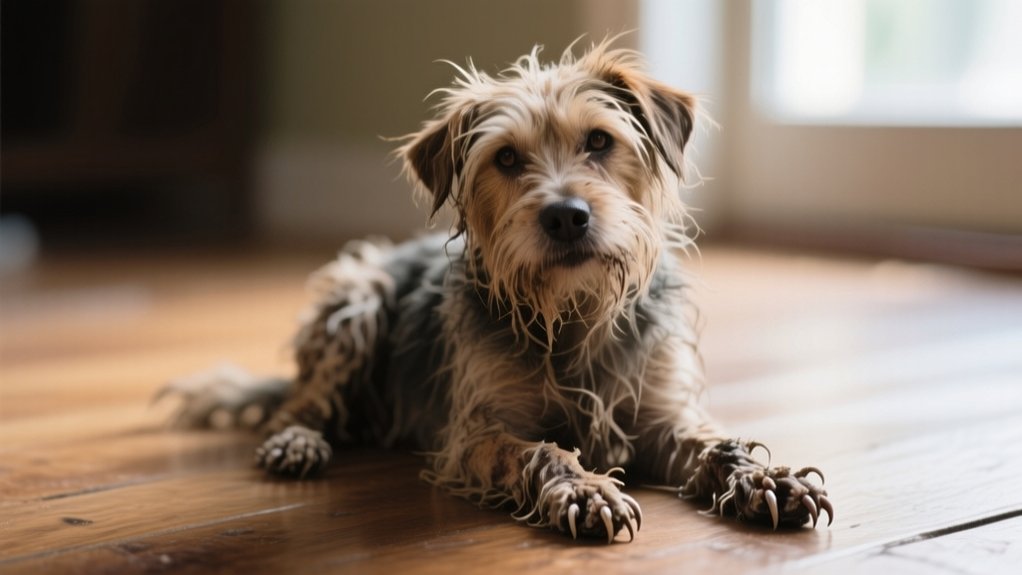
Skipping your small dog’s grooming routine isn’t just a cosmetic issue—it’s a health risk. Those missed appointments add up faster than your dog’s ability to find trouble. Here’s what you’re actually risking:
- Matted fur that pulls painfully on your dog’s skin, causing infections and discomfort.
- Overgrown nails that curl inward, making walking painful—imagine wearing shoes three sizes too small.
- Ear infections from neglected cleaning, turning your pup into a head-shaking machine.
- Dental disease that shortens your dog’s lifespan considerably.
Beyond health, neglected grooming means bigger vet bills and more expensive grooming sessions to fix preventable problems. Regular grooming isn’t optional—it’s essential maintenance, like changing your car’s oil before the engine explodes.

Comments are closed, but trackbacks and pingbacks are open.