Potty training a small dog isn’t as simple as it sounds. You’ve probably already discovered that your tiny pup has a stubborn streak and a bladder to match. But here’s the thing—you can turn this frustrating process around faster than you think. The right strategies make all the difference, and what you’re about to discover might surprise you.
Why Small Dogs Are Harder to Potty Train Than Large Breeds
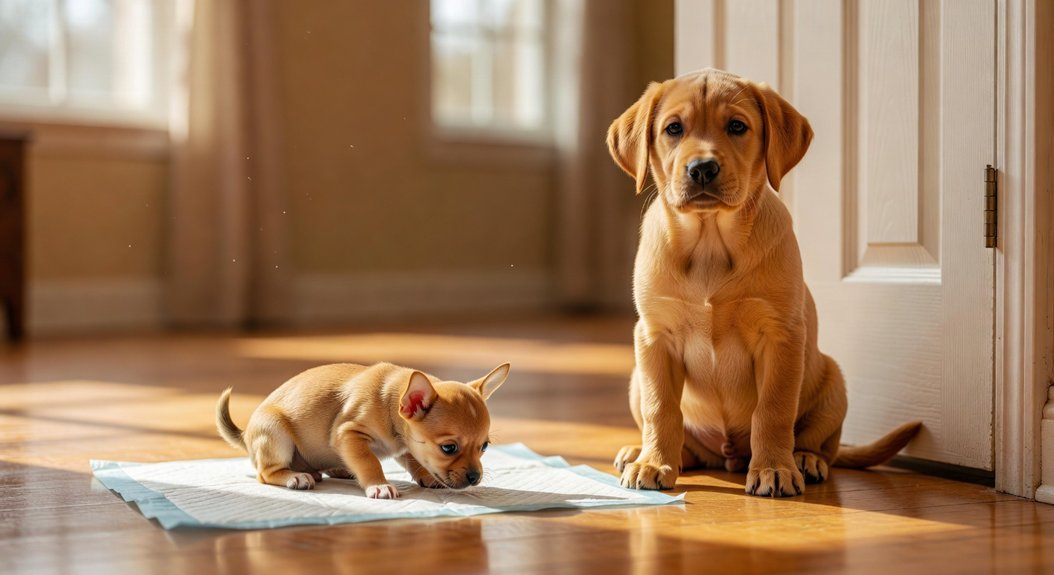
If you’ve ever tried to potty train a small dog, you already know it’s rarely as straightforward as training a larger breed. Small dogs have tiny bladders — shockingly tiny — which means they need to go *constantly*. While your Golden Retriever can hold it for a few hours, your Chihuahua is working with what’s fundamentally a thimble for plumbing.
Small breeds also have faster metabolisms, so food moves through them quicker than you’d expect. Add in their famously stubborn personalities, and you’ve got a creature that’s simultaneously desperate to go and completely unbothered about going anywhere inconvenient. Patience isn’t optional here — it’s your entire survival strategy.
The Right Age to Start Potty Training Your Puppy
Whether you’ve got a tiny Chihuahua or a lumbering Saint Bernard, the timing of potty training matters more than most people realize. Start too early, and your puppy’s bladder simply isn’t developed enough. Wait too long, and you’re scrubbing carpets indefinitely.
| Age | Bladder Control | Training Readiness |
|---|---|---|
| 6-8 weeks | Minimal | Too early |
| 8-12 weeks | Developing | Perfect window |
| 6+ months | Stronger | Still teachable |
The sweet spot is 8-12 weeks. Your puppy’s brain is receptive, their bladder is maturing, and they haven’t yet decided your living room rug is their permanent bathroom. Miss this window, and you’re not doomed — just in for extra patience.
Pick the Best Potty Spot Before You Build a Routine
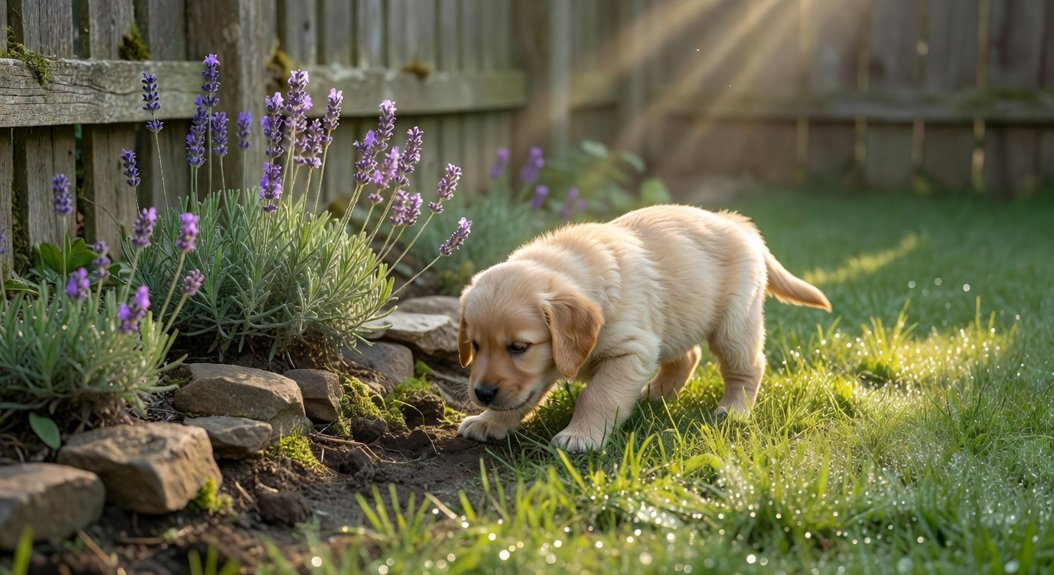
Before you build a potty training routine, you’ll want to pick a specific outdoor spot that’s both accessible and safe for your puppy. Choosing a consistent location helps your puppy associate that area with going to the bathroom, which speeds up the training process. Stick to that one designated spot every time, and you’ll find your puppy catches on much faster than if you’re letting them go just anywhere.
Choose a Consistent Location
One of the first decisions you’ll make in your puppy’s potty training journey is choosing a designated bathroom spot—and it matters more than you might think. Consistency is everything here. Puppies aren’t great at improvising (unless it’s peeing on your new rug), so they need a reliable “this is where I do my business” location.
Pick your spot using these criteria:
- Accessible – Your pup shouldn’t need a GPS to find it.
- Away from play areas – Nobody wants bathroom breaks near the fun zone.
- Same spot every time – The familiar scent cues your puppy’s brain to “go mode.”
Stick to one location, and you’ll build a foundation your puppy can actually follow.
Consider Accessibility and Safety
Picking the right potty spot isn’t just about convenience—it’s also about keeping your puppy safe. Make certain your pup can actually *reach* the spot without obstacle courses or Indiana Jones-level adventures. If it’s outside, check for hazards like toxic plants, sharp objects, or gaps in fencing where your tiny escape artist could bolt. A muddy, uneven surface might seem harmless, but a slipping puppy isn’t exactly building positive potty associations. For indoor spots, make sure the area’s easy to clean and away from electrical cords or anything chewable—because puppies treat danger like a buffet. The spot should also be accessible during bad weather, since “it’s raining” won’t stop your puppy’s bladder from having opinions.
Designate One Specific Spot
Once you’ve got a safe, accessible spot in mind, it’s time to commit to it. Consistency is everything — your puppy’s bladder doesn’t understand “anywhere works today.” Pick one designated potty zone and stick with it religiously. Here’s why this matters:
- Scent memory is real — dogs return to spots they’ve used before, so repetition builds habit fast.
- It reduces confusion — rotating locations keeps your pup guessing, and nobody wants a guessing game involving urine.
- It speeds up training — a single spot creates a predictable routine your puppy can actually learn.
Every single trip outside goes to *that* spot. No detours, no exceptions. Your future self — the one with clean floors — will thank you.
Build a Daily Potty Schedule Your Small Dog Can Follow
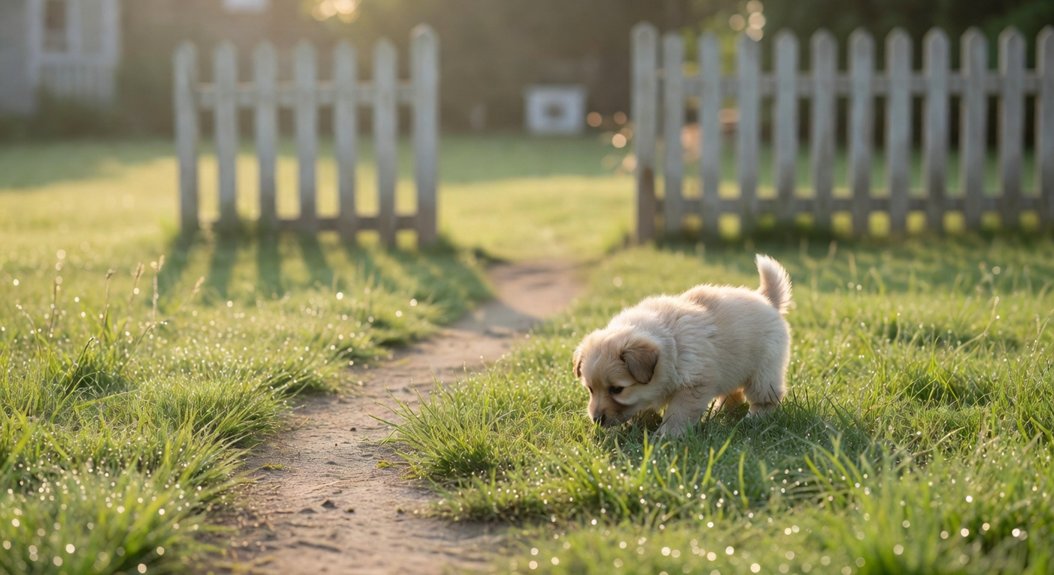
Small dogs have tiny bladders, so they need more frequent bathroom breaks than larger breeds — typically every 1 to 2 hours during the day. Think of yourself as their personal bathroom concierge.
Small dogs, tiny bladders — plan on being their bathroom concierge every hour or two throughout the day.
Build your schedule around key moments: right after waking up, after every meal, after playtime, and before bed. These are their highest-risk windows — miss one, and you’re cleaning up a surprise.
Consistency is everything. Dogs thrive on routine, and your pup will eventually start signaling before you even check the clock. Keep meals at the same times daily to make bathroom timing more predictable.
Set phone reminders if needed — there’s no shame in letting technology help you outsmart a creature that weighs twelve pounds.
Reward-Based Training Methods That Speed Up the Process
Reward-based training is one of the fastest ways to teach your puppy where to go, so always have small treats ready to give immediately after they finish outside. You’ll also want to pair treats with enthusiastic praise, since verbal encouragement helps your pup associate good behavior with positive feelings over time. Timing is everything—if you wait too long to reward, your puppy won’t connect the treat to the action, so reward within seconds of them finishing their business.
Treats Reinforce Good Behavior
Using treats is one of the most effective ways to speed up your puppy’s potty training. Think of yourself as a tiny furry slot machine operator—your pup performs, you dispense the goods. Keep treats small, smelly, and irresistible.
Here’s your winning treat strategy:
- Reward immediately – You’ve got a three-second window before your puppy forgets everything and chases a leaf.
- Use high-value treats – Save the good stuff exclusively for potty success, not just for looking cute (which they’re doing constantly).
- Stay consistent – Every successful outdoor bathroom trip earns a treat, no exceptions.
Your puppy’s basically a tiny scientist running experiments. Treats confirm their hypothesis that “outside potty = jackpot,” and they’ll repeat that behavior enthusiastically.
Praise Builds Positive Habits
While treats do the heavy lifting early on, your voice is just as powerful a training tool. When your puppy nails their outdoor bathroom break, let them know they’re basically a genius. Use an enthusiastic, high-pitched tone — yes, you’ll sound ridiculous, but your puppy absolutely loves it.
Consistent verbal praise like “good boy!” or “yes!” right after they finish teaches them exactly what earned your excitement. Timing matters enormously here. Celebrate too late, and they’ll think you’re thrilled about the dandelion they just ate.
The goal is making your puppy associate going outside with a parade of joy. They’ll start hustling to the door just to earn your reaction. Who knew bathroom habits could be this motivating?
Timing Rewards Correctly Matters
Timing your reward so it lands within seconds of the behavior is what actually teaches your puppy what they did right. Wait too long, and you’ve just rewarded your dog for sniffing the grass or staring blankly into the void — not exactly your goal.
Keep these timing rules in mind:
- Reward within 2-3 seconds of the potty finishing, not after your pup has wandered off to investigate a leaf.
- Don’t celebrate mid-stream — wait until they’re completely done, or you’ll accidentally interrupt the process.
- Keep treats accessible so you’re not frantically digging through your pockets while the moment passes.
Nail the timing, and your puppy learns fast. Miss it, and you’re both confused.
Potty Training Mistakes Small Dog Owners Make Most Often
Small dog owners often fall into the same traps that slow down potty training progress, and knowing what they are can save you a lot of frustration.
| Mistake | Why It Happens | Why It Backfires |
|---|---|---|
| Skipping outdoor trips | “They’re tiny, it’s fine” | Tiny accidents everywhere |
| Inconsistent schedules | Busy life wins | Confused, messy pup |
| Rewarding too late | Distracted owner | Wrong behavior reinforced |
| Using puppy pads forever | Convenience trap | Permanent indoor habits |
| Ignoring early signals | Missed cues | Full-blown accident incoming |
You might think a small dog means small problems, but their bladders are equally unforgiving. Stay consistent, watch for signals, and don’t let their adorable eyes convince you to skip the schedule. Tiny dogs, big consequences.
How Long Does Potty Training a Small Dog Actually Take?
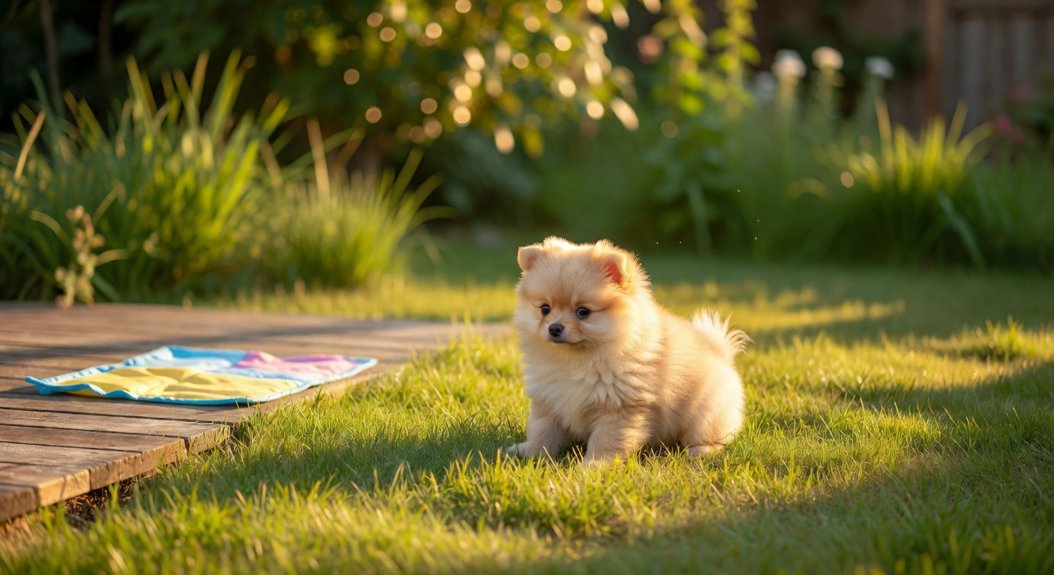
Honestly, how long it takes depends on your dog, your consistency, and a little luck. Some puppies click within weeks; others treat potty training like a lifelong philosophical debate. Small dogs especially love testing your patience. Generally, expect:
- 4–6 weeks if you’re consistent, attentive, and your pup is cooperative (bless you)
- 3–6 months if your dog has selective hearing and you’ve got a busy schedule
- Up to a year if you’ve got a stubborn little diva who’s convinced your carpet is perfectly acceptable
Don’t panic if progress feels slow. Every accident is just data, not failure. Stay consistent with schedules, reward successes enthusiastically, and remember — even the sassiest dog eventually figures it out.





Leave a Reply