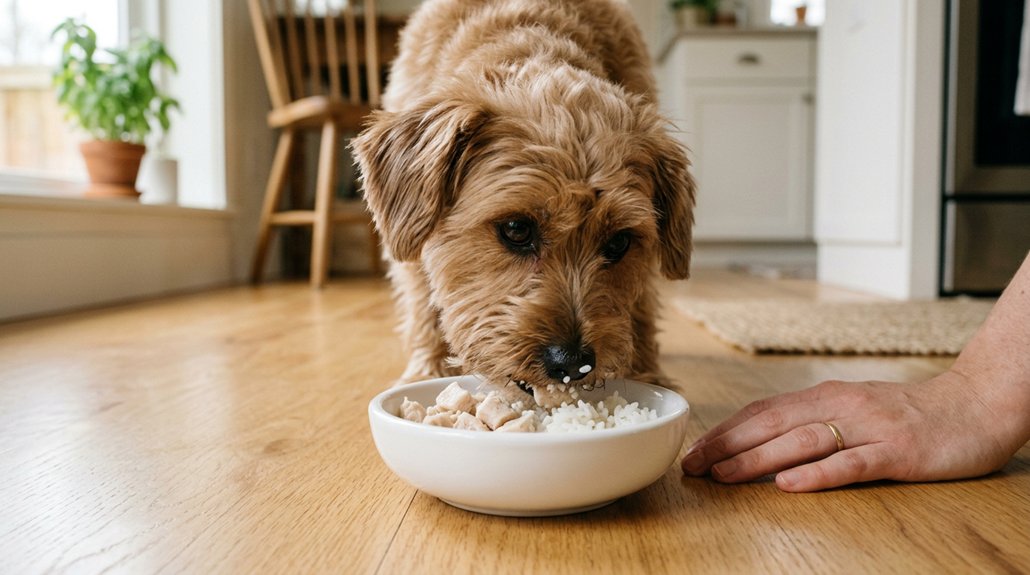
It’s commonly believed that all dogs can thrive on the same diet, but that’s not always true. If your pup struggles with frequent stomach issues, their food could be the culprit. Understanding what’s upsetting their belly isn’t always straightforward. The right approach involves more than just switching brands. Keep going to uncover what’s really going on with your sensitive pup’s digestion.
Signs Your Small Dog Has a Sensitive Stomach
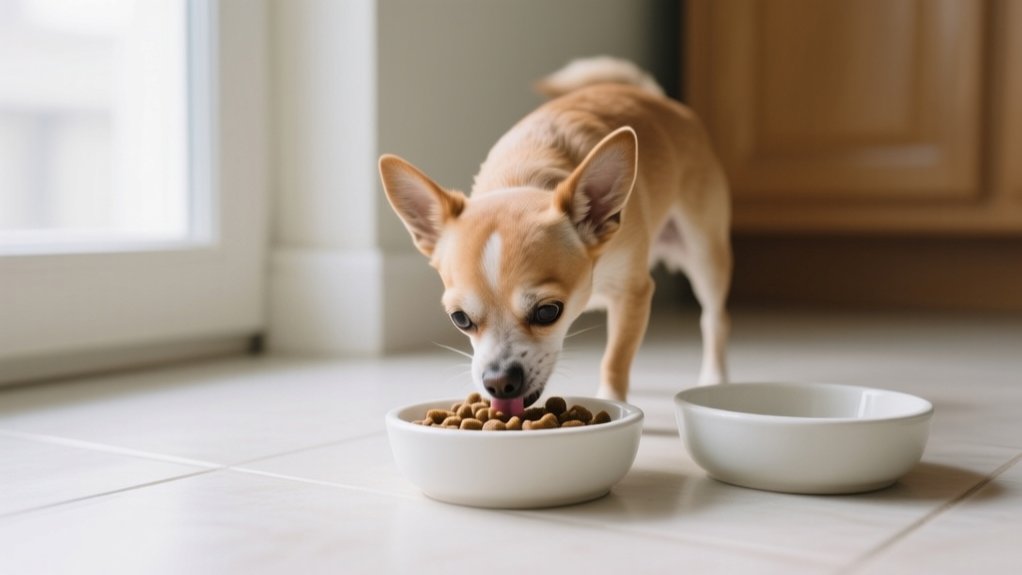
Recognizing the signs of a sensitive stomach in your small dog is the first step toward helping them feel better. If your pup’s belly is staging a full-blown protest, you’ll notice some telltale clues. Watch for frequent vomiting, excessive gas (yes, tiny dogs can clear a room), loose stools, and gurgling stomach noises that sound like dial-up internet. You might also notice your dog eating grass like a little lawn mower or losing interest in food altogether. Lethargy after meals and excessive lip-licking are red flags too. Basically, if your dog’s digestive system is throwing tantrums more often than not, it’s time to take notice. Don’t ignore these signs — your pup’s tummy is trying to tell you something important.
Foods That Commonly Upset Your Small Dog’s Stomach
Certain foods are notorious for wreaking havoc on your small dog’s digestive system. Fatty foods like bacon and fried chicken might seem like delicious treats, but they’ll send your pup’s stomach into full rebellion mode. Dairy products are another culprit — most dogs are lactose intolerant, so that cheese bite isn’t doing them any favors. Spicy foods, onions, and garlic are definite no-gos, as they’re toxic and irritating to sensitive digestive tracts. High-fiber vegetables like broccoli and cauliflower can trigger excessive gas — trust us, you don’t want that in a small space. Artificial additives and preservatives found in processed treats can also cause flare-ups. Stick to simple, whole ingredients, and your pup’s belly will thank you.
Key Ingredients in the Best Dog Food for Sensitive Stomachs
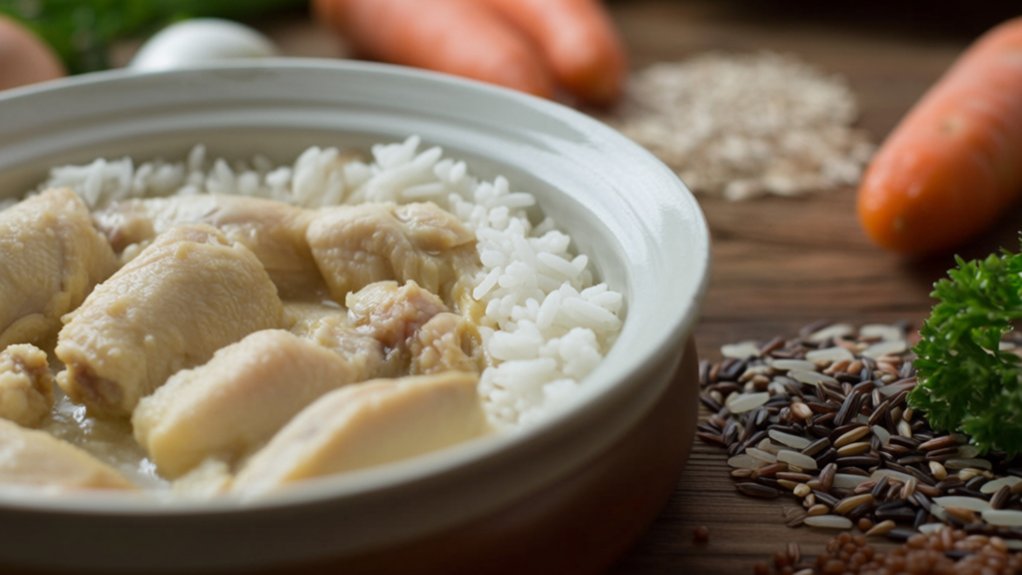
When choosing food for your sensitive-stomached pup, you’ll want to prioritize easily digestible proteins like chicken, turkey, or whitefish, which are gentle on the gut and less likely to trigger inflammation. You’ll also benefit from looking for gut-soothing fiber sources such as sweet potato, pumpkin, and oatmeal, which help regulate digestion and support healthy bowel movements. Together, these key ingredients form the foundation of a diet that keeps your small dog’s stomach calm and their nutrient absorption on track.
Easily Digestible Proteins
Protein is the cornerstone of your dog’s diet, but not all sources are created equal when it comes to sensitive stomachs. Think of it like choosing between a five-star meal and gas station sushi — one’s clearly the better call.
For sensitive pups, you’ll want easily digestible proteins like chicken, turkey, salmon, or lamb. These options are gentle on the gut while still delivering essential amino acids your dog needs to thrive. Novel proteins, like duck or venison, are also worth exploring if your pup’s stomach rebels against common sources.
Avoid low-quality meat by-products or mystery protein blends. Your dog deserves better than the canine equivalent of questionable luncheon meat. Stick to whole, identifiable protein sources, and their tummy will thank you.
Gut-Soothing Fiber Sources
Fiber plays a surprisingly important role in calming a sensitive stomach, but it’s got to be the right kind. Think of it as your pup’s gut bouncer — keeping things moving without causing chaos.
| Fiber Source | Why It Helps |
|---|---|
| Sweet potato | Gentle, prebiotic-rich |
| Pumpkin | Regulates digestion beautifully |
| Brown rice | Binds loose stools fast |
| Chicory root | Feeds good gut bacteria |
These sources won’t turn your dog’s digestive system into a horror show. They’re fermentable without being explosive — a critical distinction when you’re living with a gassy, sensitive pup. You’ll want to see these ingredients listed clearly on your dog food’s label, not buried somewhere beneath seventeen unpronounceable additives.
The Best Proteins in Sensitive Stomach Dog Food for Small Breeds
When choosing dog food for your small breed’s sensitive stomach, you’ll want to prioritize easily digestible proteins like chicken, turkey, and fish, which are gentle on delicate digestive systems. If your pup has developed sensitivities to common proteins, novel sources like venison, duck, or rabbit can help reduce adverse reactions. Remember, protein quality matters just as much as the source, so look for named whole-meat ingredients rather than vague by-product meals on the label.
Easily Digestible Protein Sources
For small breeds with sensitive stomachs, not all proteins are created equal. Think of it like choosing between a gourmet meal and gas station sushi — one’s going to sit better. Your pup’s digestive system will thank you for sticking to highly digestible options like chicken, turkey, and fish. These proteins are gentle on sensitive tummies and won’t trigger the dreaded post-meal drama.
Lamb and duck are also solid choices, especially if your dog’s reacted poorly to more common proteins. Novel proteins like venison can work wonders too. You’re basically playing protein detective, finding what agrees with your pup’s system. Whatever you choose, opt for single-source proteins — fewer ingredients means fewer opportunities for your dog’s stomach to stage a full revolt.
Novel Proteins For Sensitivities
Sometimes the usual suspects — chicken, beef, and turkey — just don’t cut it for particularly sensitive pups. That’s when novel proteins swoop in like culinary superheroes. We’re talking duck, venison, rabbit, and even kangaroo — yes, kangaroo. Since your dog’s immune system hasn’t encountered these proteins before, it’s less likely to throw a dramatic fit.
Novel proteins work brilliantly for food sensitivities because they sidestep the immune responses triggered by overexposed ingredients. If your pup’s been eating chicken since birth, their body’s basically memorized it — and decided it’s the enemy.
Switching to something unexpected gives their digestive system a fresh start. Just introduce it gradually, or you’ll trade one stomach tantrum for another. Nobody wants that encore performance.
Protein Quality Matters
Not all proteins are created equal, and that gap in quality hits even harder when your small breed has a sensitive stomach. Think of protein quality like coffee — there’s a big difference between freshly ground single-origin beans and whatever’s been sitting in a gas station pot since Tuesday.
High-quality proteins contain complete amino acid profiles, meaning your pup actually absorbs and uses what they’re eating. Low-quality proteins? They’re harder to digest and more likely to trigger that whole miserable vomiting-on-your-couch situation you’re desperately trying to avoid.
Look for named protein sources — “chicken,” “salmon,” or “lamb” — rather than vague terms like “meat meal.” The more specific the label, the better the quality. Your pup’s stomach will genuinely thank you.
How to Switch Your Dog’s Food Without Stomach Upset
Switching your dog’s food too quickly is one of the most common triggers for digestive upset, even when you’re moving to a higher-quality diet. Think of it like you suddenly eating exclusively kale — your gut would riot. Follow this gradual change schedule:
| Day | Old Food | New Food |
|---|---|---|
| 1–2 | 75% | 25% |
| 3–4 | 50% | 50% |
| 5–6 | 25% | 75% |
| 7+ | 0% | 100% |
Slow changes allow your pup’s gut bacteria to adjust without staging a full rebellion. Watch for loose stools, vomiting, or excessive gas during the switch. If symptoms persist beyond a few days, consult your vet — your dog’s stomach might need an even slower change or a different formula altogether.
Feeding Habits That Ease Stomach Sensitivity

- Feed smaller, more frequent meals — Two or three smaller portions beat one massive feast your dog inhales like a competitive eater.
- Stick to a consistent schedule — Their stomach appreciates predictability more than you appreciate your morning coffee.
- Slow them down — Use a slow-feeder bowl if your dog treats mealtime like a race.
- Ditch the table scraps — That puppy-dog stare is manipulative, and you know it.
These simple habits give your pup’s digestive system the stability it desperately needs.


Comments are closed, but trackbacks and pingbacks are open.