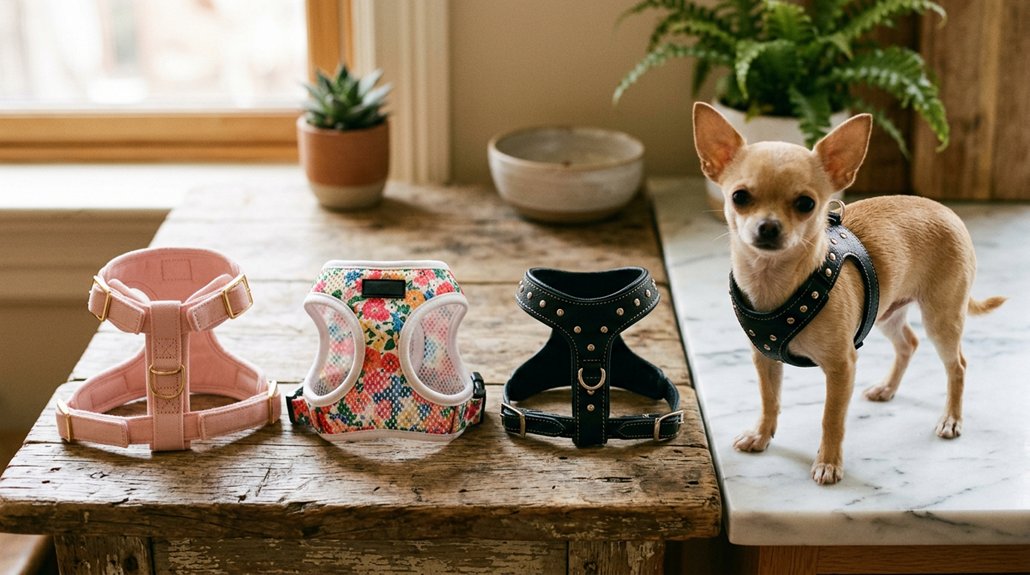
Picture your tiny pup trotting down the sidewalk, head high, in a harness that fits like it was made just for them. Choosing the right one isn’t as simple as grabbing the cutest option off the shelf. Fit, material, and function all play a role you can’t ignore. Keep going to find out exactly what separates a smart purchase from a costly mistake.
Why Harness Fit Matters More Than Style for Tiny Breeds
When shopping for a harness for your tiny breed, fit should always come before fashion. Sure, that rhinestone-studded vest looks adorable, but if it’s squeezing your Chihuahua like a furry little sausage, nobody’s winning. Tiny breeds have delicate necks, narrow chests, and surprisingly dramatic opinions about discomfort. A poorly fitting harness can restrict breathing, cause chafing, or create escape opportunities that’ll make you question your life choices entirely.
You’ll want to measure your dog’s chest girth and neck size before buying anything. Check for adjustability, padding, and breathable materials. A harness that fits correctly distributes pressure evenly across the chest, protecting those tiny bones and keeping your pup comfortable. Once you’ve nailed the fit, then you can obsess over the sequins.
How to Measure Your Small Dog for the Perfect Harness Fit
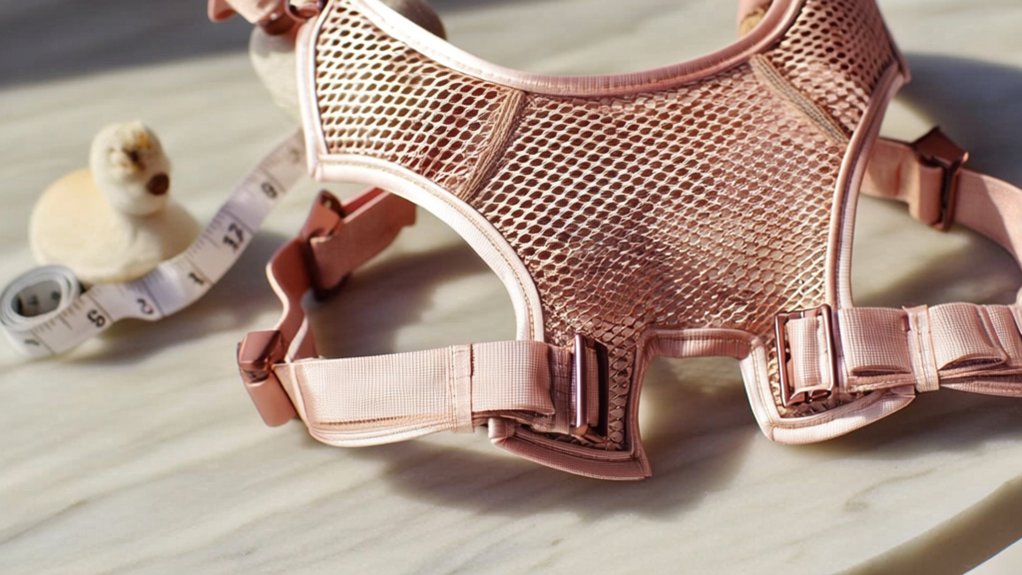
To get your tiny pup into the perfect harness, you’ll need to measure their neck circumference, chest girth, and back length using a soft measuring tape. Once you’ve got those numbers, you can match them against a brand’s sizing chart, which typically lists ranges for each measurement alongside the corresponding harness size. Keep in mind that sizing charts vary between manufacturers, so always check the specific chart for each harness you’re considering rather than assuming your dog’s size stays consistent across brands.
Key Measurements To Take
Getting the right fit starts with three key measurements: your dog’s neck circumference, chest (girth) circumference, and body length. Grab a soft measuring tape — or a piece of string if you’re living dangerously — and measure where the collar naturally sits for neck circumference. For chest girth, wrap the tape around the widest part of their ribcage, right behind the front legs. Body length runs from the base of the neck to the base of the tail.
Always measure twice, because nothing’s sadder than a harness that turns your Chihuahua into a sausage or slips off entirely during a squirrel chase. Write down each measurement in inches and centimeters, since sizing charts vary wildly between brands.
Sizing Charts Explained
Once you’ve got your measurements in hand, here’s how to actually use them: most sizing charts list ranges for neck and chest girth, so find the column that covers both of your numbers — if they fall into different size categories, always size up. A snug harness on a Chihuahua isn’t “fashion-forward,” it’s just cruel. Charts typically use Small, Medium, or breed-specific labels like “Teacup” (which, yes, is a real sizing category and not a dinnerware description). Some brands include weight ranges alongside measurements — treat those as backup data only, since two dogs weighing the same can have wildly different body shapes. When in doubt, contact the manufacturer directly. They’ve answered weirder questions, trust me.
What Materials Work Best for Small Dog Harnesses?
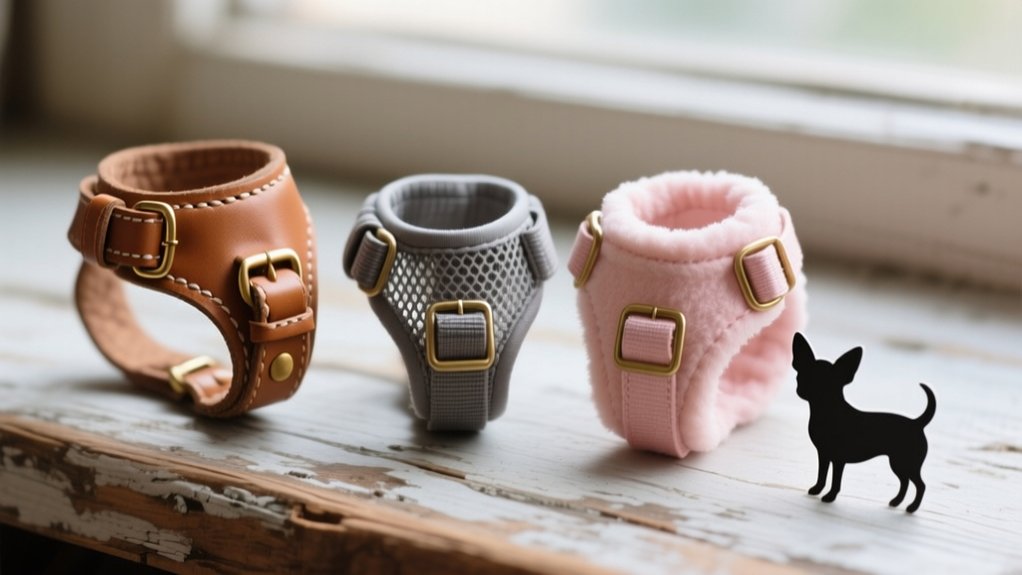
When shopping for a small dog harness, the material matters more than you might think. Your tiny fashionista deserves comfort without sacrificing style. Here’s a quick breakdown:
| Material | Best For | Watch Out For |
|---|---|---|
| Nylon | Everyday wear | Chafing sensitive skin |
| Leather | Stylish outings | Heavy for tiny breeds |
| Mesh | Hot weather | Less durability |
| Neoprene | Active pups | Odor retention |
Mesh keeps your pup cool during summer walks, while nylon handles daily adventures without complaint. Leather looks undeniably chic but can weigh down a five-pound Chihuahua like a tiny weightlifter. Neoprene’s stretchy comfort suits energetic dogs but needs frequent washing. You’ll want breathable, lightweight materials that won’t irritate delicate skin underneath.
The Best Harness Styles for Tiny Breeds Right Now
Now that you’ve got the material sorted, style is where the real fun begins. Tiny breeds deserve harnesses that scream personality, not sad little beige straps that belong on a 1995 camping trip.
Here are the hottest styles turning heads at the dog park:
- Vest harnesses – Cozy, supportive, and honestly cuter than most human fashion choices right now.
- Bowtie and floral harnesses – Because your Chihuahua absolutely has a social calendar worth dressing for.
- Minimalist step-in harnesses – Sleek, modern, and ideal when your pup’s attitude is already doing enough talking.
Whatever style you choose, make sure it complements your dog’s existing wardrobe. Yes, that’s a completely reasonable sentence.
What Features Actually Make a Small Dog Harness Worth Buying?
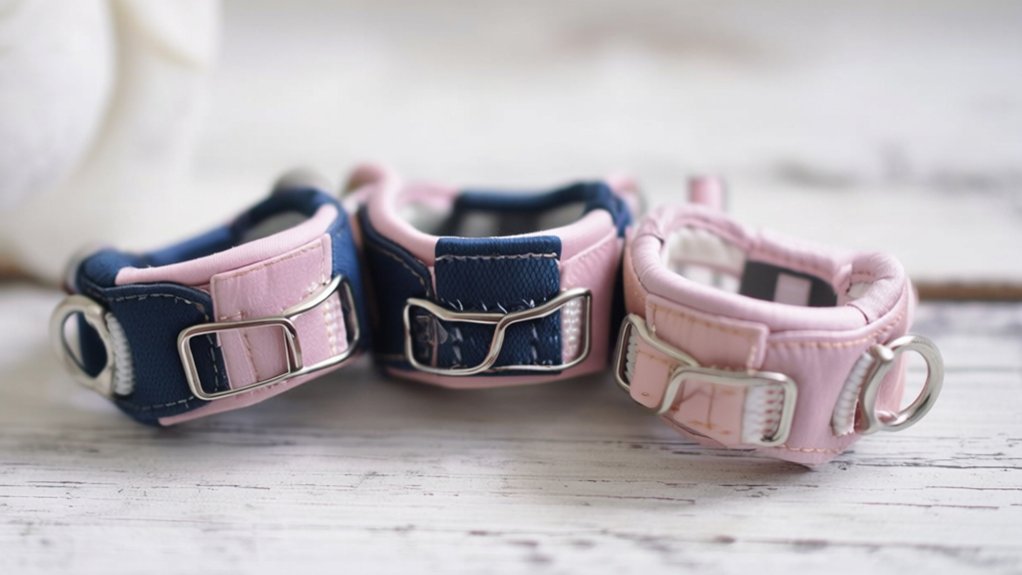
When shopping for a small dog harness, you’ll want to prioritize a secure fit that won’t let your pup slip out during walks. You should also check that the material is durable enough to handle daily wear without fraying or losing its shape. Finally, easy adjustability is a must, since a harness that’s hard to customize won’t stay comfortable as your tiny breed grows or changes weight.
Secure Fit Matters
A harness that looks adorable but slips off mid-walk is useless—so fit should be your first priority, not aesthetics. Tiny breeds are basically escape artists in fur coats, so you’ll want adjustable straps that actually stay put.
Look for these non-negotiables:
- Adjustable chest and belly straps — because your Chihuahua’s dramatic weight fluctuations deserve accommodation
- Snug-but-not-suffocating sizing — you should fit two fingers underneath comfortably
- Multiple adjustment points — one-size-fits-all harnesses fit exactly nobody well
Always measure your dog’s chest girth before buying. Most manufacturers provide sizing charts, and you’d be foolish to ignore them. A poorly fitted harness won’t just look ridiculous—it’ll compromise your dog’s safety entirely.
Durable Material Counts
Once you’ve nailed the fit, material quality is what separates a harness that lasts through hundreds of walks from one that frays after a few weeks. Your tiny drama queen deserves better than a harness that surrenders to a light drizzle.
Look for these materials:
- Nylon: Lightweight, weather-resistant, and surprisingly tough for something that sounds like stockings
- Neoprene padding: Prevents chafing without adding bulk
- Metal hardware: Buckles and D-rings should be metal, not plastic — because plastic clips fail spectacularly at the worst moments
Stitching matters too. Double-stitched seams handle the enthusiastic lunging your “tiny” dog somehow produces. Avoid harnesses with decorative embellishments that aren’t properly secured — you don’t want rhinestones becoming sidewalk confetti mid-walk.
Easy Adjustability Wins
Even the most precisely measured harness needs adjustability built in, because your small dog’s body changes with the seasons — a little fluffier in winter, a little leaner after that strict kibble phase. You’ll want buckles and sliders that actually cooperate without needing an engineering degree. Look for:
- Multiple adjustment points — chest, neck, and belly straps give you real control
- Quick-release buckles — because wrestling a Chihuahua is nobody’s idea of a good morning
- Slider closures with locking teeth — so your escape-artist Yorkie can’t shimmy free mid-walk
When adjustability works intuitively, fitting your dog becomes a thirty-second task instead of a fifteen-minute standoff. That’s time better spent on the actual walk.
How to Pick a Harness Style That Fits Your Dog and Your Lifestyle
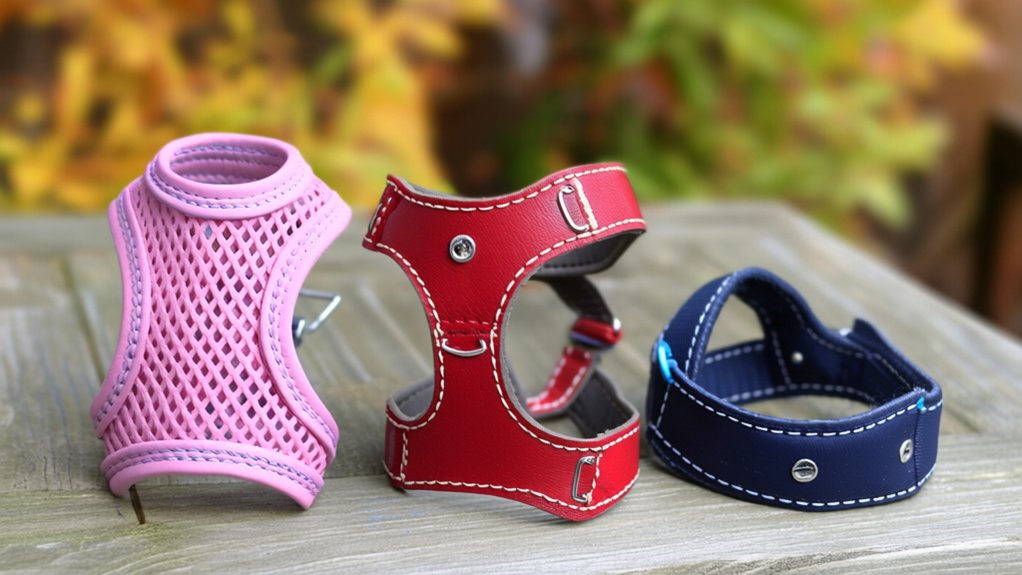
Picking the right harness style comes down to three key factors: your dog’s body shape, your daily routine, and how much fuss you’re willing to deal with when putting it on. If your tiny pup resembles a sausage with legs, a step-in harness is your best friend. If they’ve got a narrow chest and the escape skills of a tiny furry Houdini, go for an H-style harness with a secure chest plate. Busy mornings? You’ll want something with quick-release buckles, not seventeen adjustable straps that require an engineering degree. Active adventurers need durability and padding, while casual strollers can prioritize style over structure. Match the harness to your actual life, not your Instagram aesthetic, and everyone stays comfortable and stylish.
How Much Should You Spend on a Tiny Breed Harness?
Now that you’ve narrowed down the style that works for your dog and your lifestyle, the next question is how much to actually spend. Tiny breed harnesses range wildly in price, and yes, some cost more than your lunch. Here’s a quick breakdown:
Tiny breed harnesses range wildly in price — and yes, some cost more than your lunch.
- Budget ($10–$20): Functional but basic — don’t expect rhinestones or longevity.
- Mid-range ($20–$50): The sweet spot — solid quality, cute designs, and your wallet survives.
- Premium ($50+): Designer territory — your Chihuahua will absolutely judge you if you don’t.
You don’t need to break the bank, but investing in mid-range usually means better durability and comfort. A harness that falls apart during a walk isn’t fashionable — it’s just embarrassing.
The Best Places to Buy Stylish Small Dog Harnesses
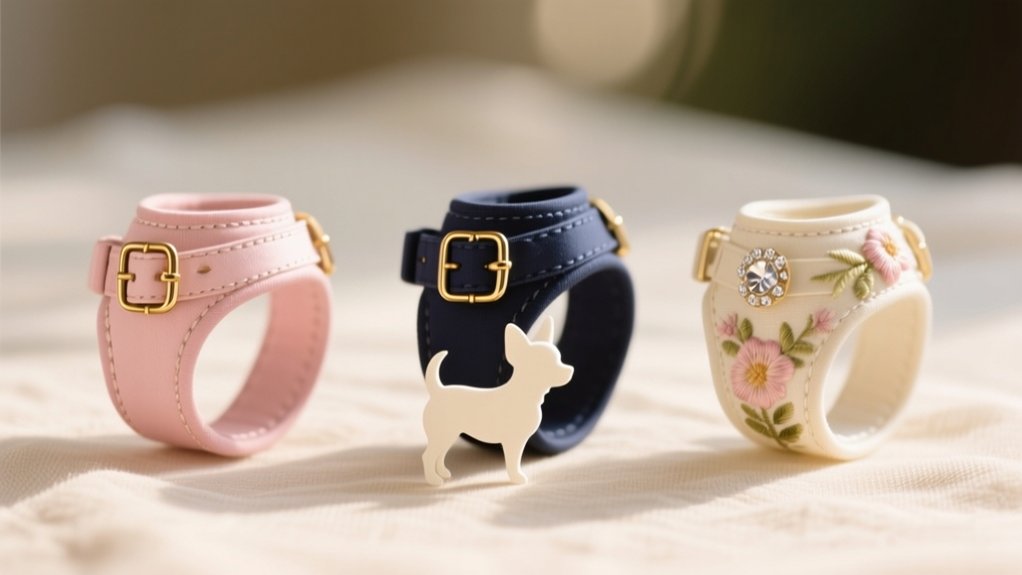
Once you’ve settled on a budget, finding the right retailer makes all the difference. Think of it as your tiny dog’s personal shopping adventure — minus the exhausting mall crowds.
Online Marketplaces: Amazon and Etsy are goldmines. Etsy especially delivers boutique-level adorableness from independent designers who clearly understand that small dogs deserve dramatic fashion moments.
Pet Specialty Retailers: Chewy and PetSmart carry curated harness selections with helpful size guides — because guessing your Chihuahua’s measurements shouldn’t feel like advanced calculus.
Boutique Pet Shops: Local pet boutiques often stock unique, high-quality pieces you won’t find anywhere else. Bonus: knowledgeable staff who won’t judge your dog’s elaborate wardrobe.
Brand Websites: Buying directly from manufacturers like Puppia or Gooby frequently grants access to better deals, warranty options, and sizes that actually fit your suspiciously tiny furball.


Comments are closed, but trackbacks and pingbacks are open.