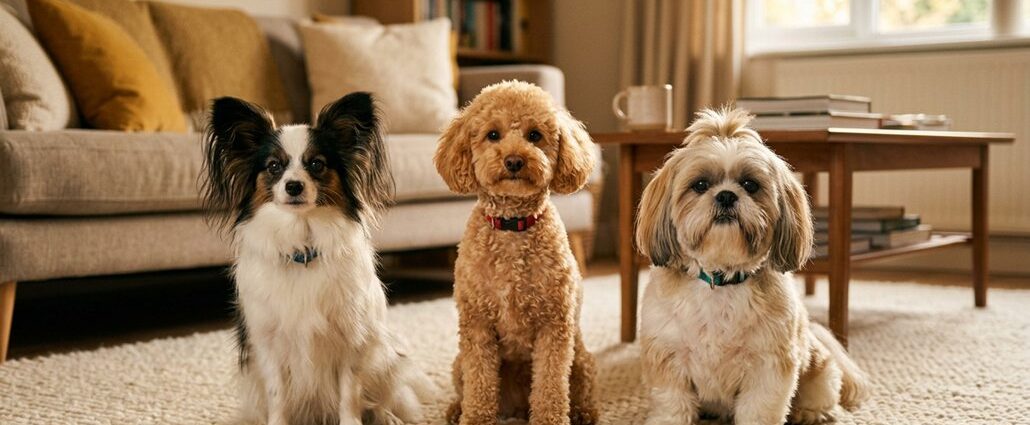
If you’ve ever tried training a stubborn small dog, you know how frustrating it can be. But not all small breeds are created equal. Some pick up commands faster than others, and knowing which ones top the list can save you serious time. The right breed choice makes all the difference, and what you’re about to discover might surprise you.
What Makes a Small Dog Breed Easy to Train?
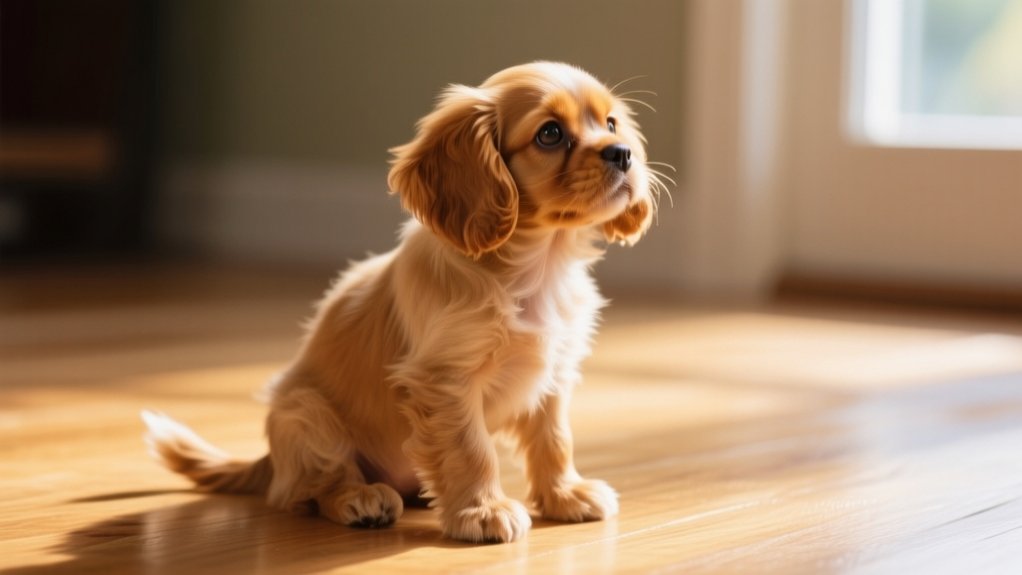
Several factors determine how easily a small dog breed can be trained, and understanding them helps you set realistic expectations before bringing a dog home. Intelligence plays a huge role — a smarter dog catches on faster, though they’ll also outsmart you on their worst days. Temperament matters too; some breeds are people-pleasers while others are fundamentally tiny, furry lawyers who’ll argue every command. Attention span is another biggie — if your dog loses focus every three seconds, training sessions become comedy sketches. Finally, consider prey drive and stubbornness levels. A high-prey-drive dog won’t hear “sit” when a squirrel’s nearby. Knowing these factors upfront means you’ll train smarter, not harder, and avoid blaming yourself when your dog’s practically running the household.
The #1 Easiest Small Dog Breed to Train
If you’re looking for the easiest small dog breed to train, the Miniature Poodle takes the top spot. Poodles are exceptionally intelligent dogs, consistently ranking among the smartest breeds in the world, which means they pick up commands quickly and retain them well. To get the best results, you’ll want to use positive reinforcement, keep training sessions short and engaging, and introduce new challenges regularly to satisfy their sharp minds.
Poodle’s Natural Intelligence
Poodles aren’t just one of the most elegant-looking small breeds — they’re also widely regarded as the easiest to train, thanks to their exceptional natural intelligence. Ranked second smartest among all dog breeds, Poodles practically read your mind — and occasionally judge your life choices.
Their brains aren’t just built for learning tricks; they’re wired for problem-solving, quick comprehension, and retaining commands after surprisingly few repetitions. You won’t spend weeks repeating “sit” until you question your own sanity.
What makes them genuinely remarkable is their willingness to please combined with sharp instincts. They’re not stubborn like some breeds that shall remain nameless (looking at you, Dachshunds). If you want a dog that actually listens, a Poodle might be your perfect intellectual companion.
Training Tips For Poodles
So you’ve got one of the smartest dogs on the planet — here’s how to make the most of it. 3 core principles drive successful Poodle training: consistency, positive reinforcement, and mental stimulation.
Keep these tips in mind:
- Start early — Poodles absorb commands fast, so begin training immediately.
- Keep sessions short — 10-15 minutes prevents boredom from a dog smarter than most people you know.
- Use treats strategically — Reward good behavior instantly; delayed rewards confuse them.
- Challenge their brain — Introduce new tricks regularly, or they’ll redecorate your furniture out of boredom.
Your Poodle’s enthusiasm to please makes training genuinely enjoyable. Stay consistent, keep it fun, and you’ll have an impressively well-behaved companion surprisingly quickly.
Top 9 Small Dog Breeds Ranked by Trainability
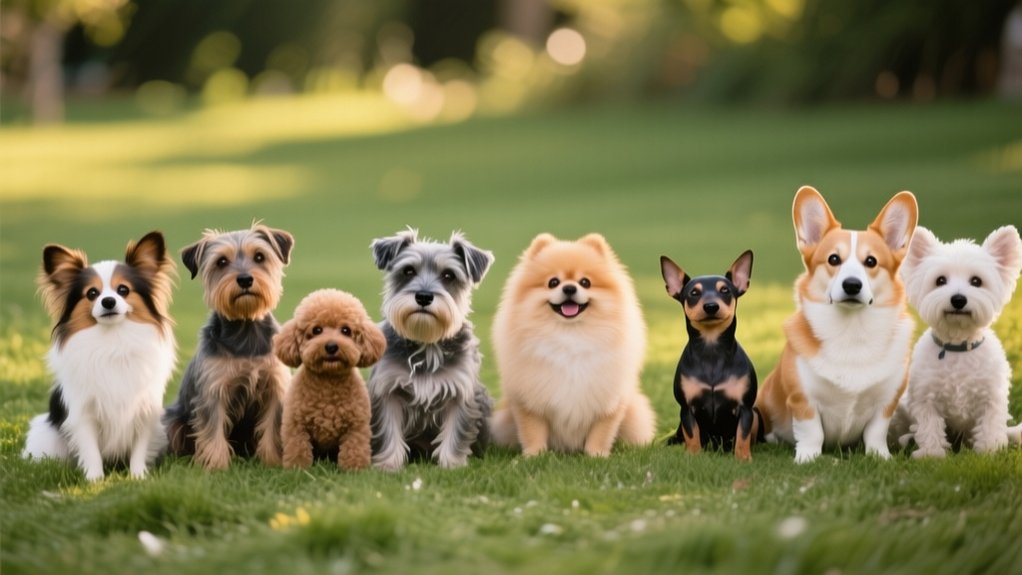
If you’re looking to bring a small dog into your home, trainability is one of the most important factors to contemplate. Breeds like the Papillon, Miniature Poodle, and Shetland Sheepdog consistently top the charts for their quick learning and enthusiasm to please. With the right approach — short, reward-based sessions and consistent commands — you’ll find that these nine breeds respond exceptionally well to training.
Easiest Breeds To Train
- Papillon — basically a tiny professor in fur
- Miniature Poodle — suspiciously smarter than most humans
- Shetland Sheepdog — will herd your kids as a bonus
- Pembroke Welsh Corgi — royal-approved and keen to please
The remaining five breeds — including the Pomeranian and Miniature Schnauzer — round out this all-star lineup. You’ll spend less time frustrated and more time bragging about your dog at parties.
Training Tips For Small Dogs
Small dogs’ biggest training hurdle isn’t intelligence — it’s your tendency to let them slide because they’re cute. Newsflash: letting your Pomeranian rule the couch isn’t “adorable independence.” It’s chaos with fur.
Here’s what actually works:
- Start early. Bad habits calcify faster than you’d think.
- Keep sessions short. Five minutes beats thirty minutes of mutual frustration.
- Use high-value treats. Your dog doesn’t respect dry kibble as currency.
- Be consistent. “No jumping” means *always* no jumping, not just when company’s over.
- Ditch the baby voice. Commands need confidence, not a Disney princess tone.
Small dogs respond brilliantly when you treat them like actual dogs. Respect their intelligence, maintain your boundaries, and you’ll both be happier.
Top-Ranked Trainable Breeds
Now that you’ve got the training fundamentals down, the breed you start with matters. Some small dogs are practically born wearing tiny graduation caps. Here are the top four easiest-to-train small breeds:
- Border Terrier – Enthusiastic, sharp, and won’t ignore you (much).
- Miniature Schnauzer – Clever enough to outsmart you, but usually chooses cooperation.
- Papillon – Butterfly ears, big brain, zero excuses for bad behavior.
- Shetland Sheepdog – Basically a border collie in a smaller, fluffier package.
Rounding out the top nine are the Poodle, Corgi, Rat Terrier, Pomeranian, and Cocker Spaniel. Each breed brings natural responsiveness to commands, making your training sessions less chaotic and considerably more rewarding.
Which Small Dog Breeds Master Commands in Fewer Sessions?
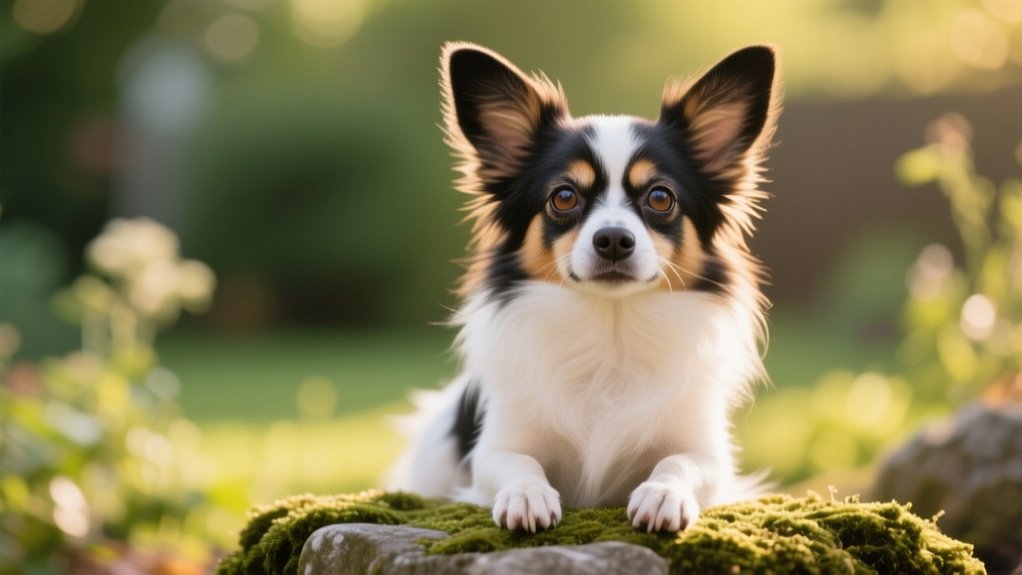
When it comes to picking up commands quickly, not all small dog breeds are created equal. Some dogs nail “sit” in two tries while others look at you like you’ve just spoken Klingon. Here’s a quick cheat sheet of breeds that’ll actually make you feel like a genius trainer:
| Breed | Sessions to Master Basic Commands |
|---|---|
| Papillon | 2–3 sessions |
| Miniature Schnauzer | 3–4 sessions |
| Toy Poodle | 1–2 sessions |
| Shetland Sheepdog | 2–3 sessions |
You’ll notice the Toy Poodle basically skips the learning curve entirely — it’s practically taking notes. These breeds respond well to positive reinforcement, so keep those treats handy and your patience intact.
Which Small Breeds Are Built for Obedience Work?
Picking up commands fast is one thing, but some small breeds are genuinely wired for formal obedience work — a discipline that demands focus, consistency, and a willingness to perform under pressure. If you’re serious about competition or structured training, these four breeds won’t let you down:
- Papillon — Laser-focused and surprisingly athletic for a dog that looks like a fancy bookmark.
- Miniature Poodle — Basically a canine genius in a fluffy disguise.
- Shetland Sheepdog — Born to follow direction without questioning your life choices.
- Border Terrier — Tenacious, driven, and oddly professional about the whole thing.
These breeds don’t just tolerate obedience training — they genuinely thrive in it, making your job considerably less frustrating.
Best Easy-to-Train Small Dogs for First-Time Owners
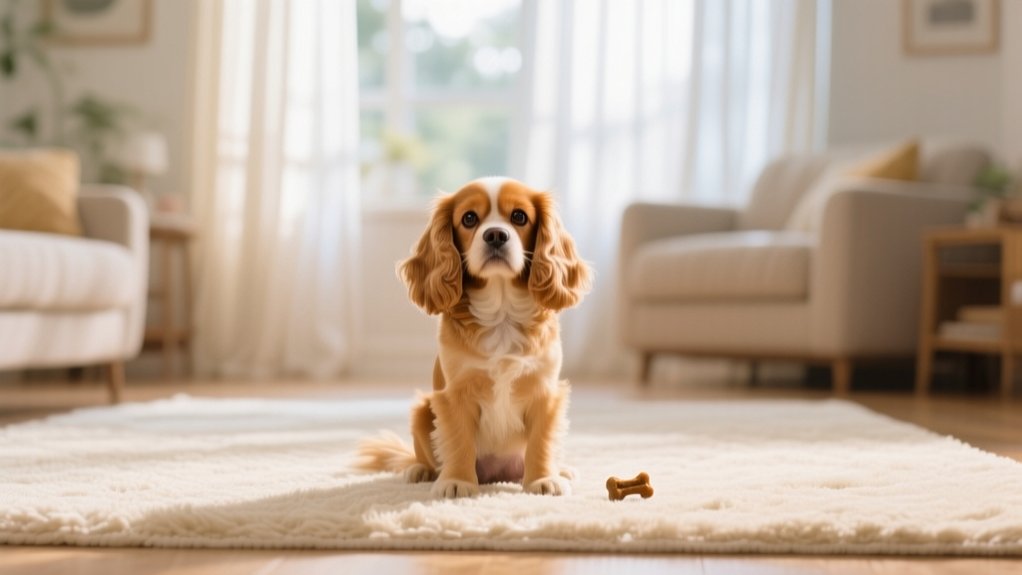
Obedience competition is one end of the spectrum, but if you’re a first-time owner just looking for a small dog that won’t make basic training feel like a second job, the bar shifts considerably. You need a breed that’s forgiving of rookie mistakes and actually enjoys cooperating.
| Breed | Trainability | Stubbornness Level |
|---|---|---|
| Poodle | Exceptional | Basically none |
| Bichon Frise | Strong | Mild |
| Pomeranian | Moderate | Noticeable |
| Chihuahua | Moderate | Legendary |
Poodles practically train themselves. Bichons are enthusiastic people-pleasers who won’t hold your beginner blunders against you. Pomeranians require consistent effort but reward patience well. Chihuahuas? They’ll learn everything perfectly, then decide the rules simply don’t apply to them anymore.
Small Dog Breeds That Are Surprisingly Easy to Train
Beyond the usual suspects like Poodles and Bichons, there’s a whole category of small breeds that’ll surprise you with how quickly they pick things up. These underdogs (pun intended) are absolute hidden gems:
- Papillon – Butterfly ears AND a genius brain? You won the lottery.
- Miniature Schnauzer – Bossy attitude, but secretly desperate to impress you.
- Rat Terrier – Looks like trouble, trains like a champion.
- Cocker Spaniel – Those sad eyes aren’t just manipulating you; they’re actually paying attention.
These breeds respond beautifully to positive reinforcement, making training sessions genuinely fun rather than a battle of wills. Don’t sleep on them just because they’re flying under the radar.
How to Train Any Small Dog Breed More Effectively
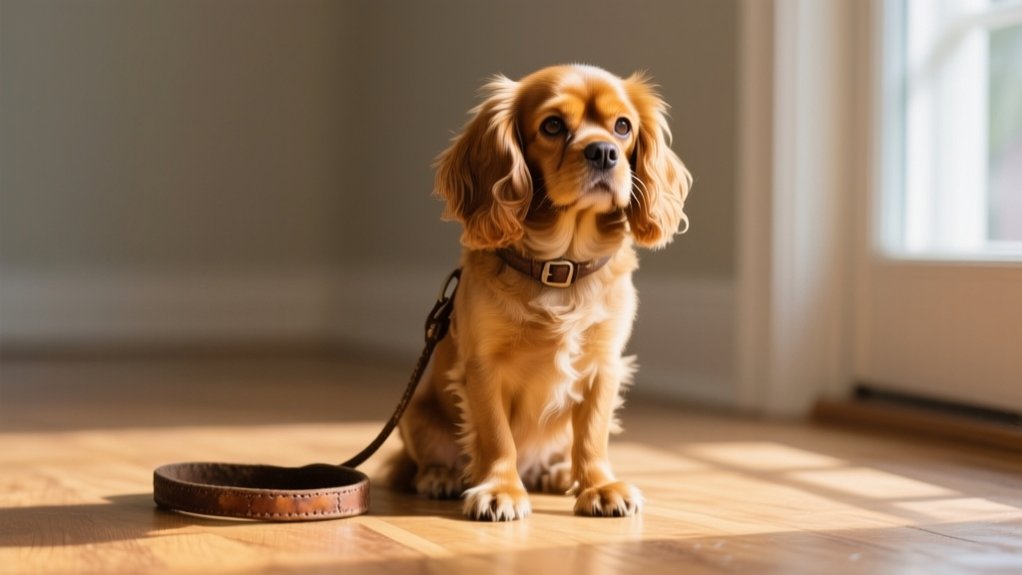
Regardless of which small breed you’re working with, the fundamentals stay the same: keep sessions short (five to ten minutes), reward immediately, and stay consistent with your commands. Yes, even your tiny chaos agent can learn manners.
| Training Element | Best Practice |
|---|---|
| Session Length | 5–10 minutes max |
| Reward Timing | Within 2 seconds |
| Command Words | One word, always consistent |
| Distraction Level | Start low, gradually increase |
| Tone of Voice | Upbeat, never frustrated |
Think of yourself as a snack-dispensing coach rather than a drill sergeant. Small dogs respond better to enthusiasm than pressure. If you’re getting frustrated, you’ve already lost the session — step away, regroup, and return when you’re both ready.
The Worst Small Breeds to Train (And Why It Matters)
Now that you’ve got the training fundamentals down, it’s worth knowing which breeds are going to test every single one of them. Some small dogs didn’t get the “eager to please” memo. Here’s who’s plotting against you:
- Afghan Hound – Gorgeous, ancient, magnificently unbothered by your commands.
- Basenji – Can’t bark, *won’t* listen. A silent rebellion specialist.
- Chow Chow – Respects no authority, including yours.
- Shiba Inu – Understands you perfectly. Simply disagrees.
Understanding these breeds matters because mismatched expectations lead to frustrated owners and undertrained dogs. You’re not failing — you’ve just picked an opponent. These breeds aren’t untrainable; they’re *negotiators*. Adjust your approach, double your patience, and maybe triple your treat budget.

Comments are closed, but trackbacks and pingbacks are open.