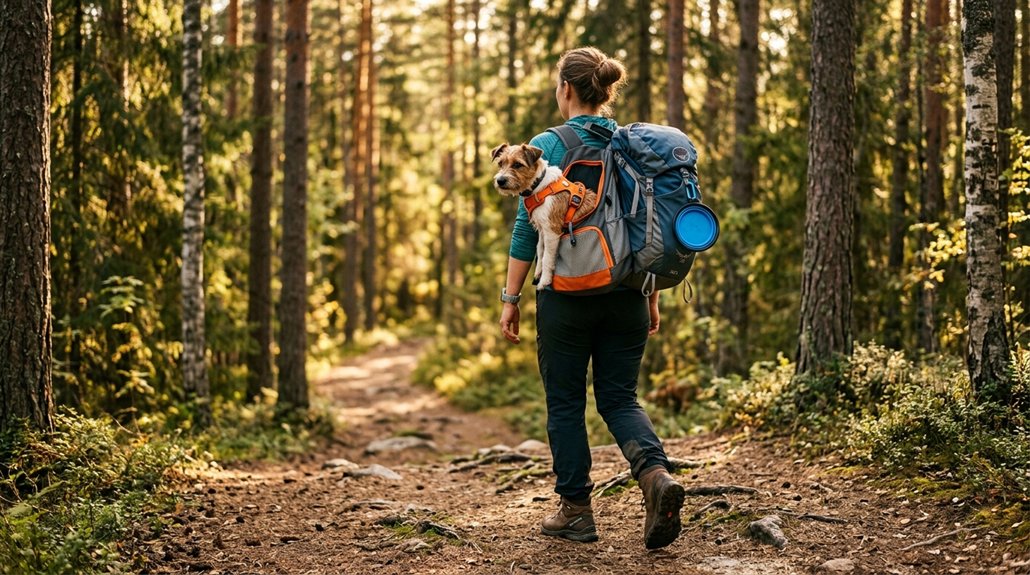
Small dogs can actually handle more challenging trails than most people assume, but that doesn’t mean you should just grab a leash and go. Knowing how to prepare your pup properly makes the difference between a great adventure and a trip to the emergency vet. From essential gear to wildlife encounters, there’s a lot you’ll want to know before you hit the trail.
Is Your Small Dog Ready to Hit the Trail?
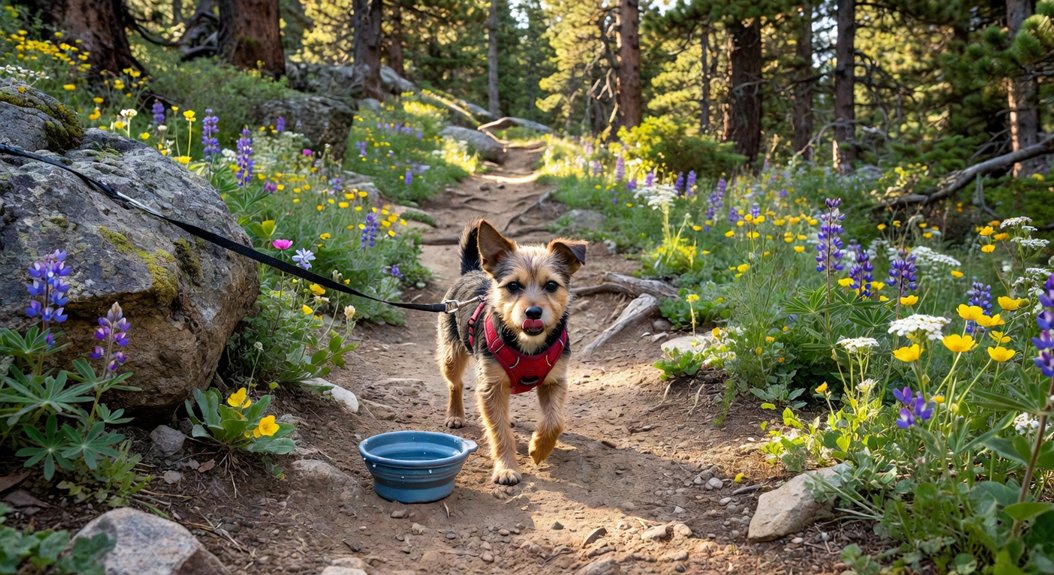
Before hitting the trail with your small dog, you’ll want to make sure they’re physically and mentally prepared for the adventure. Despite their big personalities, small dogs aren’t always ready to conquer rugged terrain. Start with shorter walks to gauge their stamina — if your Chihuahua is wheezing after a quarter mile, Everest probably isn’t next.
Schedule a vet checkup to confirm your pup’s joints, heart, and overall health can handle the demands of hiking. Age matters too; puppies and senior dogs have limitations that deserve serious consideration.
Also, assess their temperament. A dog that loses their mind over squirrels every thirty seconds might struggle on a busy trail. Know your dog’s personality, physical limits, and quirks before lacing up those boots.
Choose the Right Trail for Your Small Dog
Once you’ve confirmed your small dog’s readiness, it’s time to pick a trail that suits their abilities. Research the difficulty rating of any trail you’re considering, and check the total length to verify it’s manageable for short legs and limited stamina. You’ll also want to evaluate the terrain, since rocky, steep, or uneven ground can be tough on smaller breeds.
Research Trail Difficulty
Not all trails are created equal, and choosing one that matches your small dog’s physical capabilities is essential. Before lacing up your boots, research trail difficulty ratings carefully. A trail marked “moderate” might mean a leisurely stroll for you but an Everest-level expedition for your Chihuahua.
Check resources like AllTrails or local hiking clubs for detailed descriptions, elevation gain, and terrain type. Pay attention to distance — a 10-mile trail sounds romantic until your tiny companion decides at mile three that you’re carrying them the rest of the way.
Look for trails with gradual inclines, manageable terrain, and minimal obstacles. Rocky scrambles and steep switchbacks aren’t ideal for little legs. Flat, well-maintained paths are your best starting point when you’re both finding your hiking groove.
Check Trail Length
Trail length is one of the most critical factors when hiking with a small dog, and most experts recommend starting with trails no longer than two to three miles for beginners. Your pup’s tiny legs are working overtime out there, so don’t overestimate their stamina.
Watch for these telltale signs you’ve chosen too long a trail:
- Your Chihuahua’s giving you the “I will end you” stare from mile one
- You’re carrying a 15-pound dog like a furry, judgmental handbag
- Your dog’s lying flat on the trail, refusing to acknowledge your existence
Start short, build gradually, and you’ll both actually enjoy the experience instead of staging a dramatic wilderness rescue.
Consider Terrain Type
Terrain type matters just as much as distance when you’re planning a hike with a small dog. Rocky scrambles and steep inclines aren’t built for tiny legs — your Chihuahua isn’t training for the Olympics. Match the trail’s surface to your dog’s physical capabilities.
| Terrain Type | Small Dog Friendly? |
|---|---|
| Flat dirt paths | ✅ Yes |
| Rocky scrambles | ❌ No |
| Grassy meadows | ✅ Yes |
| Steep inclines | ❌ No |
| Packed gravel | ✅ Yes |
Avoid trails with sharp rocks or unpredictable surfaces that can shred tiny paws. Soft, even ground keeps your pup moving comfortably without injuries. Always scout the trail beforehand — your dog’s paws will thank you.
Gear Your Small Dog Actually Needs for Hiking
Once you’ve chosen the right trail, it’s time to outfit your small dog with the gear that’ll actually keep them safe. A well-fitted harness, identification tags, and a compact first aid kit are non-negotiable essentials before you hit the trail. If you’re tackling rough or rocky terrain, dog boots can protect your pup’s sensitive paws from sharp rocks, hot pavement, and abrasive surfaces.
Essential Safety Equipment
Before hitting the trail, you’ll want to make sure your small dog has the right gear—not just for comfort, but for safety. Think of it as suiting up your tiny adventurer for battle—except the enemy is a rogue pinecone.
- Harness: A snug, escape-proof harness keeps your Houdini-in-fur secured without straining their neck.
- LED Collar Light: Because losing a small dog in the woods at dusk is terrifying, not cute.
- First Aid Kit: Pack gauze, antiseptic wipes, and tweezers—your dog *will* find the one thorn bush on the entire trail.
These three essentials keep your pup protected so you can actually enjoy the hike instead of playing search-and-rescue.
Comfortable Footwear Options
Small dog paws weren’t designed for rocky, hot, or debris-covered terrain, so dog boots are worth considering if your trail conditions are harsh. Yes, your dog will walk like a tiny drunk robot at first—that’s completely normal and deeply entertaining.
Look for boots with rubber soles, secure velcro straps, and breathable material. Measure your dog’s paws carefully before buying, because “small” means seventeen different things depending on the brand.
If your dog absolutely refuses boots (some do, dramatically), paw wax is a solid alternative. Apply it before hitting the trail to protect against heat, ice, and rough surfaces.
Either way, do a test walk at home first. You’ll want video evidence of those first wobbly steps. Trust us.
Watch for Terrain, Heat, and Wildlife Hazards on the Trail
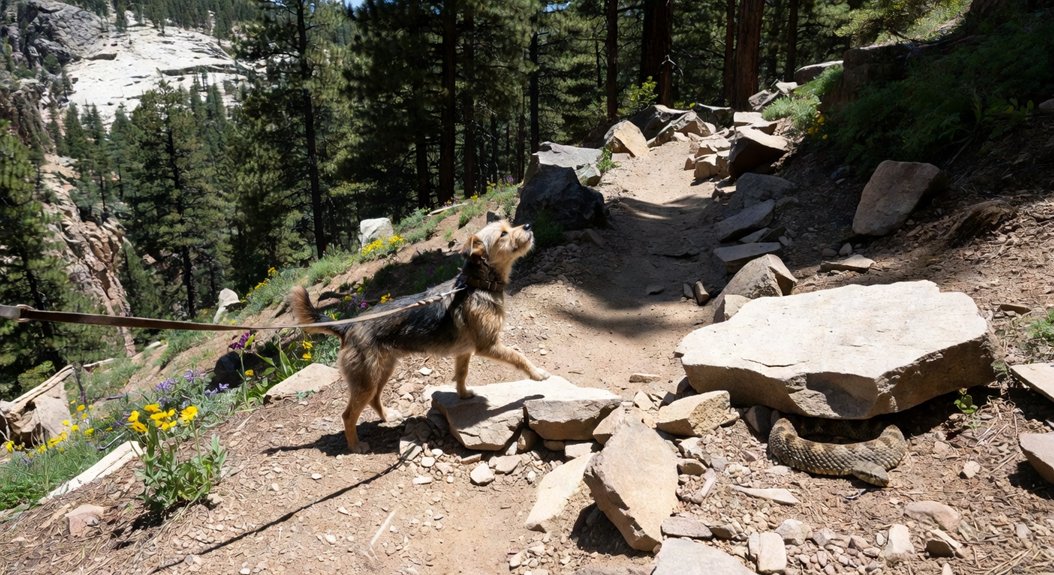
Rocks, roots, and uneven ground can all cause your dog to slip or twist a paw, so keep an eye on the trail surface as you hike. Heat’s another sneaky villain—hot pavement and sun-baked dirt can burn tiny paws fast. Wildlife encounters can turn your peaceful stroll into a full-blown chaos festival. Watch for these hazards:
The trail looks inviting—until rocks, roots, and scorching ground turn your dog’s adventure into an injury waiting to happen.
- Steep terrain: A small dog on a rocky ledge looks adorable until it doesn’t—carry them across sketchy sections.
- Overheating signs: Excessive panting, drooling, and wobbly legs mean it’s water-and-shade time immediately.
- Wildlife encounters: Snakes, coyotes, and territorial squirrels (yes, really) exist out there—keep your pup leashed and close.
Stay alert, and you’ll both return home with tails wagging.
Pack a Dog-Specific First Aid Kit Before You Go
A well-stocked first aid kit can be the difference between a minor trail mishap and a full-scale emergency, so don’t leave home without one built specifically for your dog. Think of it as your pup’s personal ER in a Ziploc bag. Pack gauze, adhesive bandages, antiseptic wipes, tweezers for tick removal, a digital thermometer, saline solution for flushing eyes or wounds, and styptic powder for broken nails. Throw in any prescription medications your dog takes regularly. Benadryl can help with allergic reactions, but confirm appropriate dosing with your vet beforehand. Keep a copy of your dog’s medical records too, because no emergency vet wants to play guessing games while you’re frantically describing your dog’s medical history from memory.
Protect Your Small Dog’s Paws From Trail Damage
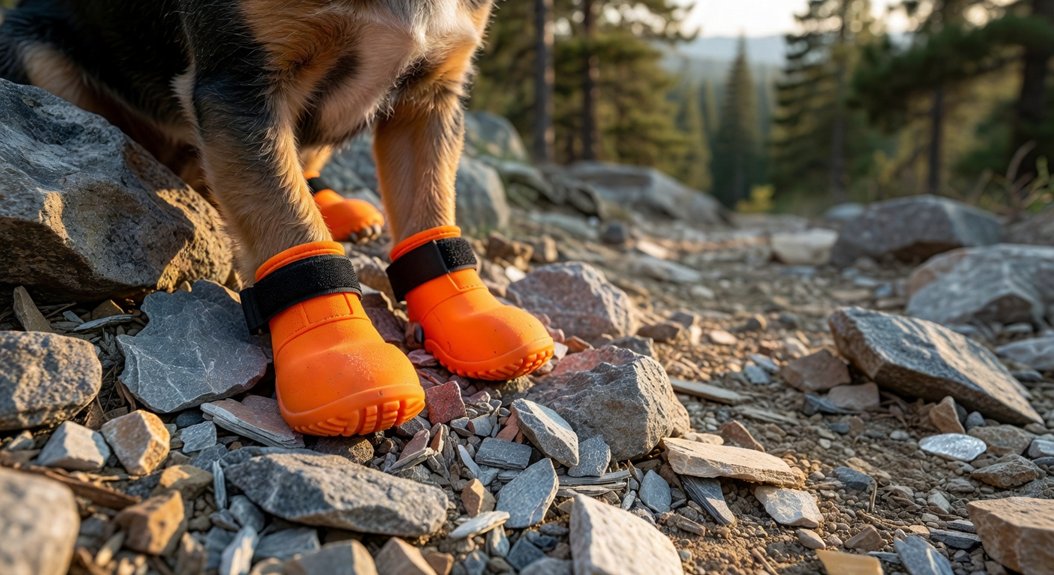
While bigger dogs tend to tough out rugged terrain with fewer issues, your small dog’s paws are far more vulnerable to cuts, abrasions, and burns from hot pavement or jagged rocks. Think of their tiny feet like bare human feet — they’d scream crossing a hot parking lot too. Protect those precious paws with these three strategies:
- Slip on dog booties — yes, they’ll look ridiculous, but blisters aren’t cute either.
- Apply paw wax before hitting the trail to create a protective barrier against heat, rough surfaces, and debris.
- Check paws frequently during rest breaks, removing embedded rocks, thorns, or splinters before they cause serious damage.
Your dog can’t complain verbally, so be their paw advocate.
Keep Your Small Dog Fed and Hydrated on the Trail
Small dogs have faster metabolisms than larger breeds, so they burn through energy more quickly on the trail — meaning you’ll need to pack more frequent snacks and keep water readily accessible throughout your hike. Think of your tiny hiking buddy as a furry sports car: high performance, but constantly needing fuel.
Pack lightweight, high-protein treats and offer them every 30-45 minutes during strenuous sections. For water, a collapsible silicone bowl works perfectly — your dog won’t drink from a bottle like you do, no matter how many times you try demonstrating it. Aim for small sips every 15-20 minutes, especially in warm weather. Dehydration sneaks up fast on little dogs, so don’t wait until they’re dragging their tiny paws to offer a drink.
Handle Wildlife Encounters Safely With a Small Dog
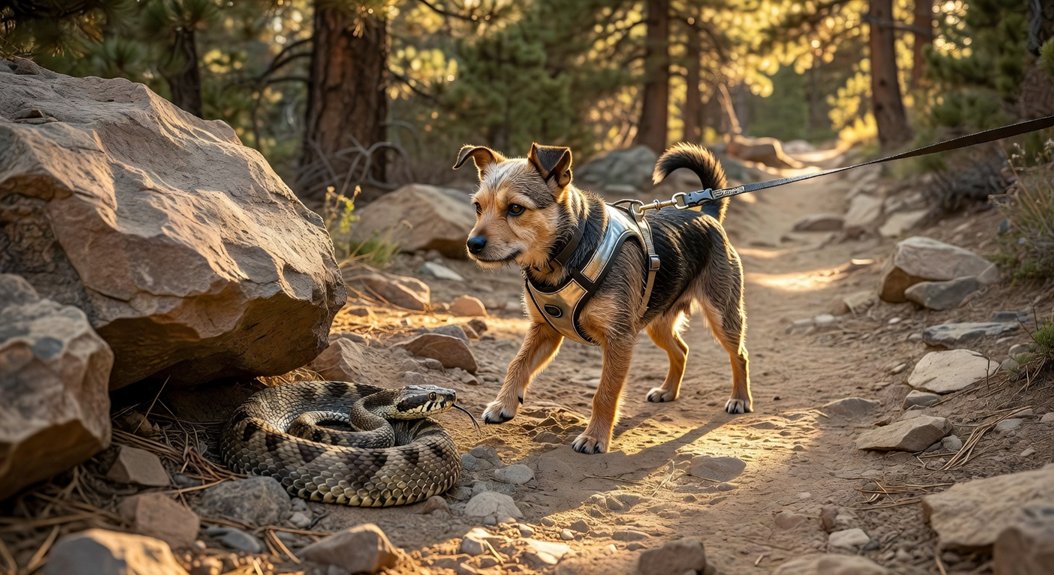
When hiking with a small dog, you’ll want to familiarize yourself with the wildlife common to your trail, whether that’s snakes, coyotes, or deer, so you’re not caught off guard. If you encounter an animal, stay calm and avoid sudden movements, since your dog will pick up on your anxiety and may react unpredictably. Keeping your dog leashed at all times is your best defense, as it prevents them from chasing wildlife or wandering into dangerous situations.
Recognize Common Trail Wildlife
Hiking trails are home to a variety of wildlife that can pose serious risks to small dogs, including snakes, coyotes, hawks, and even other off-leash dogs. You’ll want to stay alert and recognize threats before your pup becomes someone’s lunch.
Watch for these common danger signs:
- Rustling brush or grass — could be a snake warming up or a coyote sizing up your Chihuahua like a drive-through menu item.
- Circling birds overhead — hawks don’t admire tiny dogs; they’re calculating weight-to-talon ratios.
- An approaching off-leash dog — its owner’s distant “he’s friendly!” shout means absolutely nothing to your terrified Yorkie.
Staying observant keeps both you and your dog safe on the trail.
React Calmly To Animals
Spotting danger is only half the battle — your reaction matters just as much for your dog’s safety. When you encounter wildlife, don’t scream, sprint, or launch your tiny dog like a football. Stay calm, back away slowly, and keep your pup close on a short leash.
If a bear, coyote, or mountain lion appears, make yourself look big and speak in a firm, steady voice. Don’t run — predators love a good chase, and you won’t win. Pick up your small dog immediately, since they’re basically a walking appetizer to most wildlife.
For snake encounters, simply give the animal space and reroute. Wildlife generally wants nothing to do with you — don’t give them a reason to reconsider that decision.
Keep Your Dog Leashed
One simple rule can prevent most wildlife disasters on the trail: keep your dog leashed. A leashed dog can’t sprint toward a bear like it’s auditioning for a nature documentary. You’re in control, your dog’s safe, and the wildlife stays unbothered.
Here’s what a leash actually prevents:
- Your terrier challenging a porcupine to what can only be described as a very regrettable duel
- Your dog bolting after a deer while you’re standing there holding an empty leash and your dignity
- A surprise skunk encounter that turns your adorable pup into a walking biohazard for three weeks
Keep it clipped, keep it short, and keep your hiking trip from becoming a cautionary tale.
What to Do When Your Small Dog Gets Injured?
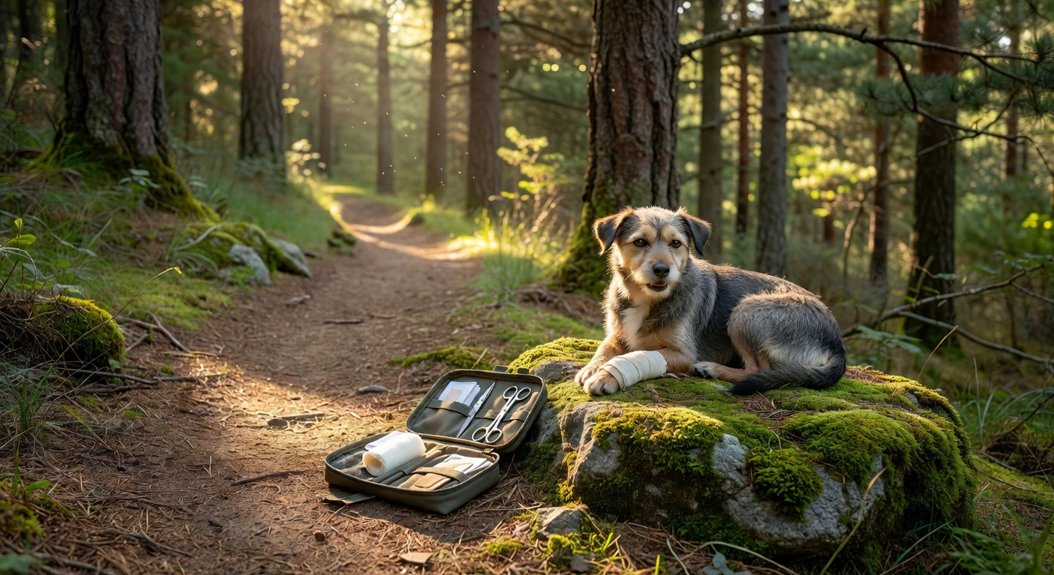
Even the most prepared hiker can face a moment when their small dog gets hurt on the trail. Don’t panic — your furry drama queen needs you calm, not crying alongside them. First, assess the injury. Minor cuts? Clean it, apply pressure, and use your first aid kit. Suspected broken limb? Stabilize it with a makeshift splint and carry your pup out — yes, you’re now their personal ambulance. If they’re limping, check their paws for thorns, sharp rocks, or splinters. For serious injuries, get off the trail immediately and head to a vet. Always carry a small first aid kit designed for dogs. Knowing basic canine first aid before your hike isn’t optional — it’s essential.
Know When to Turn Back and Head Home
Sometimes, the bravest decision you can make on a trail is turning around. Your small dog can’t tell you they’re exhausted, but their body language speaks volumes. Watch for these red flags:
- Your dog’s paws are bleeding, leaving tiny crimson prints on the dirt like a breadcrumb trail you desperately don’t want to follow.
- They’re refusing to walk, flopping dramatically onto the ground like a furry protester staging a one-dog sit-in.
- Their breathing is labored, tongue hanging so low it’s practically sweeping the trail.
Don’t let pride override your pup’s safety. A cut hike beats a helicopter rescue any day. Pack up, head home, and let your dog nap like the exhausted little adventurer they are.
Best Beginner Trails to Try With Your Small Dog
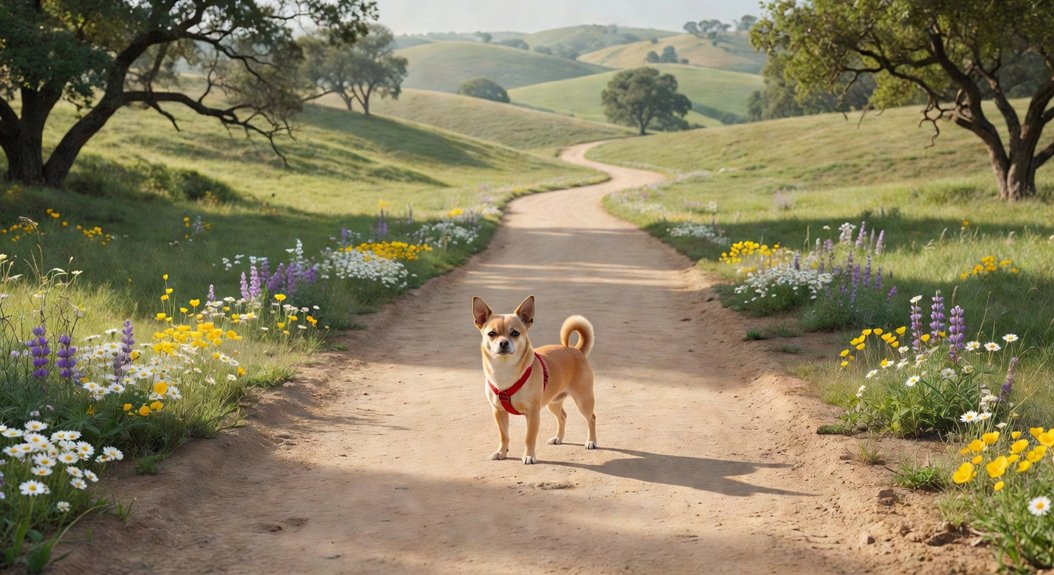
Now that you know when to call it quits, picking the right trail from the start will save you from ever needing to. Think short, flat, and well-maintained — basically the opposite of an obstacle course designed to humble you.
Look for trails under three miles with minimal elevation gain. Paved or packed-dirt surfaces are your small dog’s best friend since loose rocks and roots aren’t exactly paw-friendly. Bonus points if there’s shade and water access along the route.
Great beginner options include nature preserve loops, lakeside paths, and botanical garden trails. They’re scenic, manageable, and won’t leave your tiny companion plotting revenge against you for days. Start small, build confidence together, and soon you’ll both be ready for slightly more ambitious adventures.