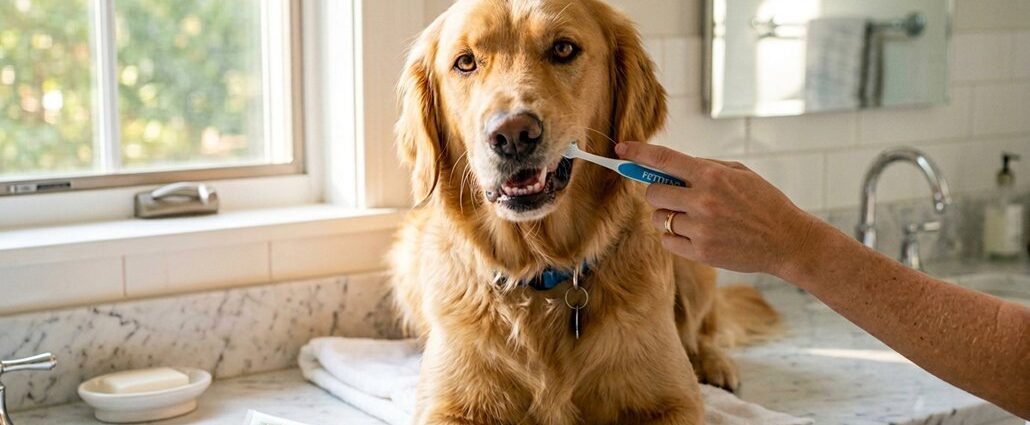
Your small dog’s smile might look adorable, but what’s hiding beneath it could be serious. Dental disease is one of the most overlooked health threats in small breeds, and it starts earlier than most owners expect. You’ll want to know the warning signs, the right tools, and the habits that actually make a difference before problems become painful and expensive.
Why Small Dogs Are So Prone to Dental Problems
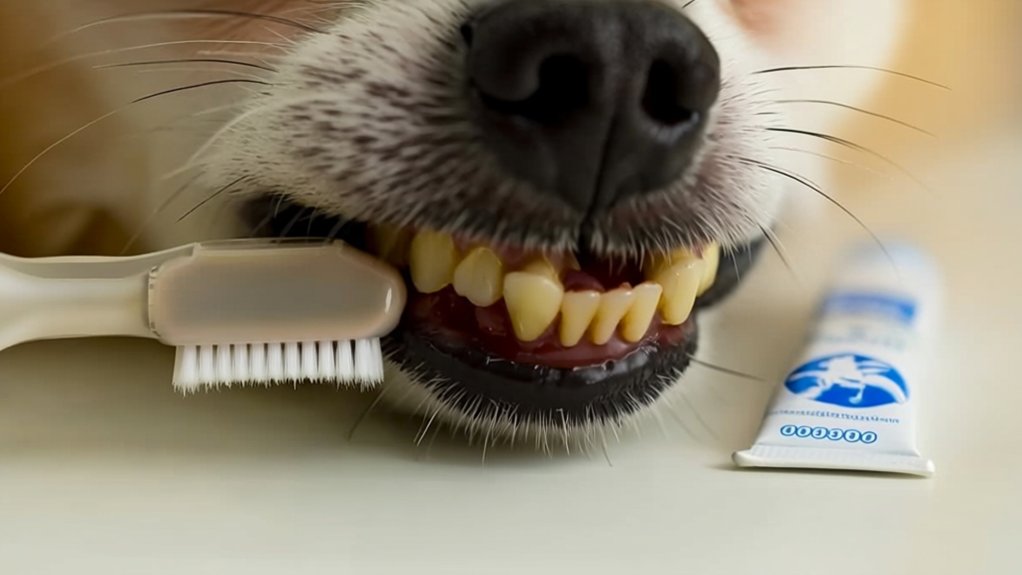
Small dogs are uniquely vulnerable to dental disease, largely because their teeth are crowded into a much smaller jaw than nature intended. Think of it like stuffing ten people onto a two-person couch — uncomfortable, chaotic, and nobody’s happy.
Those overcrowded teeth trap food and bacteria in tight spaces, creating perfect conditions for plaque and tartar buildup. It’s basically a party for germs, and your dog definitely didn’t send out invitations.
Small breeds also tend to retain their baby teeth longer, meaning adult teeth push in before the puppies ones fall out. Double the teeth, double the trouble. Without consistent dental care, you’re looking at gum disease, tooth loss, and some genuinely impressive bad breath that’ll make you reconsider those goodnight kisses.
Signs Your Small Dog Has a Tooth or Gum Issue
Knowing when your small dog has a dental problem can save them from serious pain and costly treatments down the road. Watch for warning signs like bad breath, pawing at the mouth, drooling, difficulty eating, swollen gums, or loose and discolored teeth. If you notice any of these symptoms, it’s time to get your pup to the vet before the issue worsens.
Common Warning Signs
Even the most attentive pet owners can miss early signs of dental trouble in small dogs, so it’s important to know what to watch for. If your pup’s breath could clear a room, that’s your first red flag. Watch for these warning signs:
- Dragon breath — persistent bad odor that isn’t just “dog smell”
- Pawing at the mouth — your dog’s subtle way of saying, “Something hurts in there”
- Dropping food or chewing sideways — mealtime shouldn’t look like a circus act
- Red, swollen, or bleeding gums — healthy gums are pink, not angry-looking
Catching these signs early saves your pup unnecessary pain and saves your wallet from emergency vet bills.
When To See Vet
Sometimes it’s hard to know when “keeping an eye on it” crosses into “time to call the vet.” Here’s your cheat sheet: schedule an appointment if your dog’s breath could clear a room faster than a skunk, if they’re pawing at their mouth repeatedly, or if they’re suddenly avoiding their favorite chew toys. Swollen, bleeding, or discolored gums aren’t something to sleep on either. Neither is drooling more than usual, dropping food, or chewing on one side like they’ve got a grudge against the other. Loose or missing teeth, facial swelling, and visible tartar buildup are also red flags. When in doubt, call your vet—your pup can’t make the appointment themselves.
Does Your Small Dog Actually Need a Professional Teeth Cleaning?
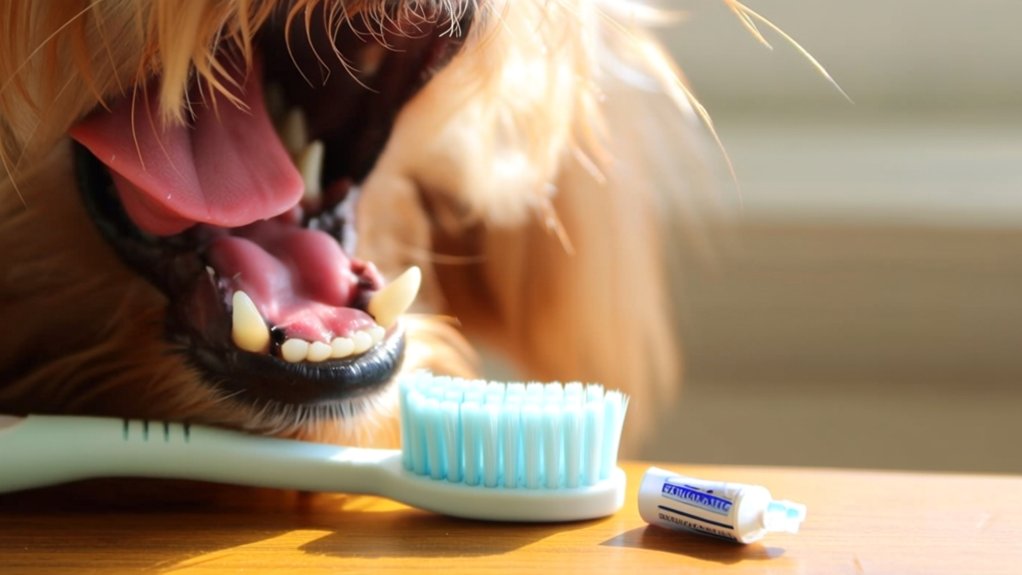
If your small dog has persistent bad breath, visible tartar buildup, or inflamed gums, it’s time to contemplate a professional cleaning. A vet can remove plaque below the gumline—something no toothbrush can reach—reducing the risk of tooth loss, infection, and even heart or kidney disease. Regular professional cleanings don’t just protect your dog’s teeth; they protect their overall health.
Signs Your Dog Needs Cleaning
Wondering whether your small dog actually needs a professional teeth cleaning? Watch for these telltale signs:
- Bad breath — We’re talking “I just ate a dumpster” levels of stench, not normal doggy breath.
- Yellow or brown buildup — Visible tartar hugging the gumline like an unwanted houseguest.
- Red, swollen, or bleeding gums — Healthy gums shouldn’t look like they’ve lost a boxing match.
- Difficulty eating or pawing at the mouth — If your pup’s avoiding their kibble, something’s wrong.
Beyond the obvious signs, watch for excessive drooling, loose teeth, or a sudden preference for softer foods. These aren’t quirks — they’re your dog’s way of screaming for dental help without actually screaming.
Benefits of Professional Cleaning
Once you’ve spotted those warning signs, the next question is obvious: is a professional cleaning actually worth it? Spoiler: yes. A vet-performed cleaning catches what your toothbrush misses — tartar below the gumline, early decay, and hidden infections.
| What’s Addressed | DIY Brushing | Professional Cleaning |
|---|---|---|
| Surface plaque | ✅ Yes | ✅ Yes |
| Below-gumline tartar | ❌ No | ✅ Yes |
| Tooth decay detection | ❌ No | ✅ Yes |
| Infection treatment | ❌ No | ✅ Yes |
Think of it like your own dental checkups — you can’t skip the dentist just because you brush daily. Your pup’s mouth deserves the same logic. Professional cleanings prevent costly extractions, painful infections, and that legendary dog breath you’ve been blaming on his diet.
How Often You Should Brush Your Small Dog’s Teeth
- Daily: Ideal; keeps plaque from throwing a party on their teeth
- Every other day: Acceptable; plaque’s still manageable, but it’s getting comfortable
- Twice weekly: Bare minimum; you’re basically negotiating with bacteria at this point
- Weekly or less: Danger zone; hello, vet bills and bad breath that could clear a room
If daily brushing feels overwhelming, start with three times per week and build the habit. Consistency matters far more than perfection — your dog’s smile is worth the effort.
The Right Toothbrush and Toothpaste for Small Dogs
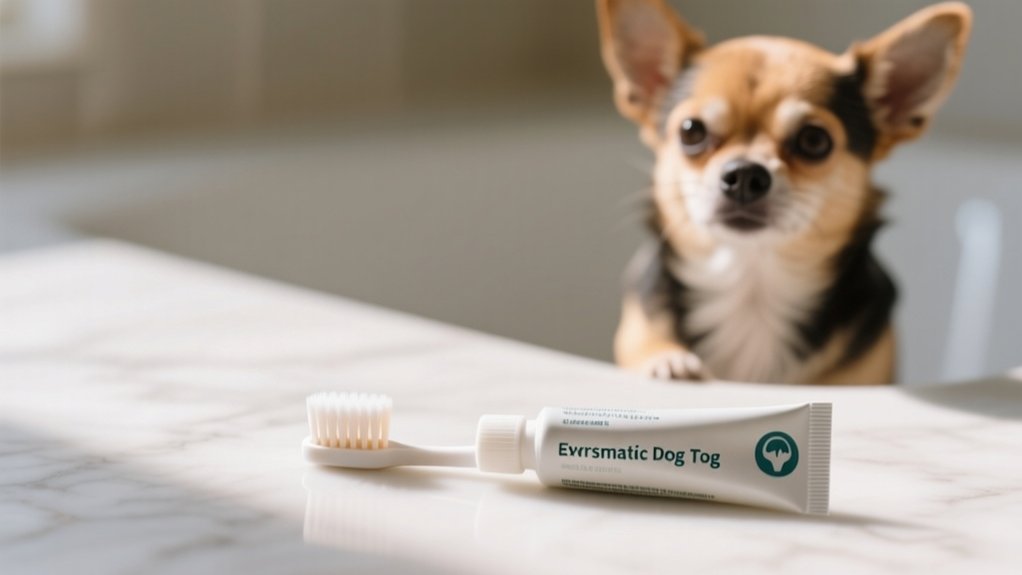
Choosing the right tools makes all the difference when it comes to brushing your small dog’s teeth. Skip the human toothbrush — your pup’s tiny mouth deserves better than that oversized monstrosity. Opt for a finger brush or small-headed dog toothbrush instead.
Never use human toothpaste! Fluoride is toxic to dogs. Stick to dog-formulated toothpaste, which conveniently comes in flavors your pup will actually enjoy, like chicken or peanut butter. Lucky them.
| Tool | Best Option |
|---|---|
| Toothbrush | Finger brush or small-headed brush |
| Toothpaste | Enzymatic dog toothpaste |
| Flavor | Chicken, beef, or peanut butter |
You’ll find these supplies at most pet stores. Your dog’s dentist — yes, that’s a real thing — will thank you.
How to Brush Your Small Dog’s Teeth Step by Step
Now that you’ve got the right tools, it’s time to put them to work. Brushing your small dog’s teeth doesn’t have to feel like defusing a bomb — it just takes patience and consistency.
- Introduce the toothpaste by letting your pup lick it off your finger first. Think of it as a taste test they didn’t ask for.
- Lift the lip gently and start with the front teeth, working toward the back molars.
- Brush in small circles along the gum line, spending about 30 seconds per side.
- Reward immediately with praise or a dental treat — bribery is absolutely encouraged here.
Aim for daily brushing, but even three times weekly makes a significant difference.
Dental Chews, Toys, and Water Additives That Reduce Plaque
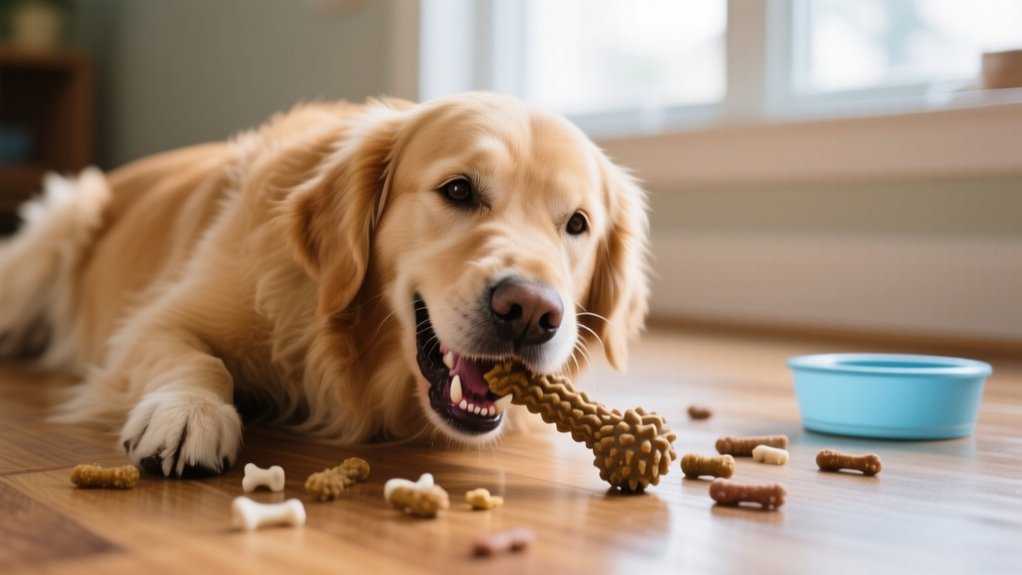
Brushing is the gold standard, but let’s be honest — some days life gets in the way, and that’s where dental chews, toys, and water additives earn their keep.
These alternatives won’t replace brushing entirely, but they’re genuinely effective plaque-fighters between sessions.
| Product Type | What It Does |
|---|---|
| Dental Chews | Mechanically scrapes plaque while your pup thinks it’s dessert |
| Rubber Chew Toys | Massages gums and loosens buildup without the calories |
| Water Additives | Silently battles bacteria while your dog stays blissfully unaware |
Look for the VOHC (Veterinary Oral Health Council) seal — it’s basically the gold star of dog dental products. Without it, you’re gambling with your pup’s smile.
Foods and Chewing Habits That Wreck Small Dog Teeth
Some foods and habits silently sabotage your small dog’s teeth long before you notice a problem. You might think you’re being a loving pet parent, but you’re actually staging a dental disaster. Watch out for these four offenders:
- Sticky treats cling to enamel like a needy ex, feeding bacteria around the clock.
- Sugary human food turns your pup’s mouth into a cavity factory.
- Hard bones or antlers crack small dog teeth faster than you’d expect.
- Allowing obsessive chewing on hard plastic toys grinds enamel down slowly but surely.
Your tiny dog’s teeth weren’t built for punishment. Swap out the worst offenders now, because dental repairs cost considerably more than a smarter snack choice.
How to Build a Daily Dental Routine Your Dog Won’t Fight
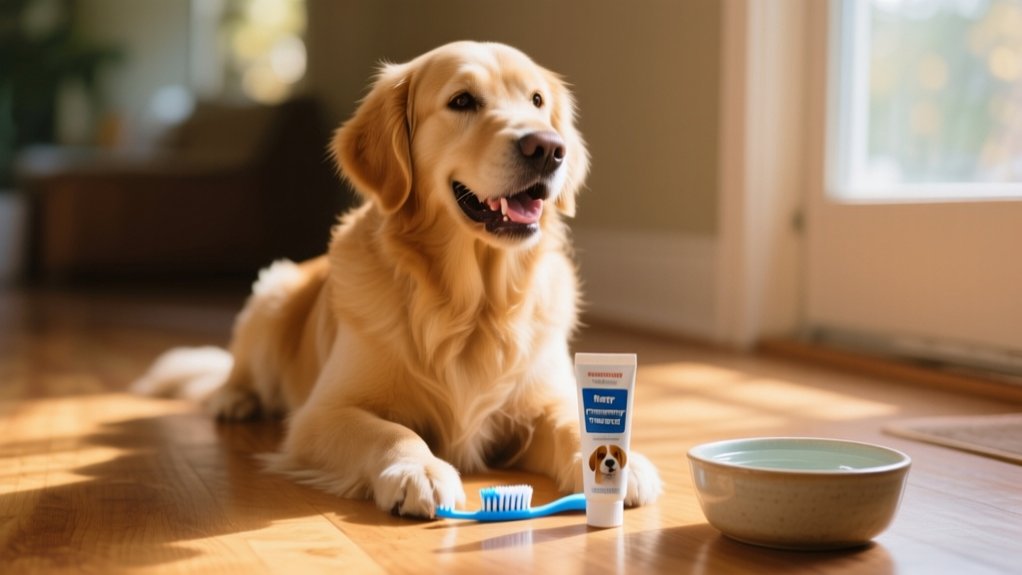
Most dogs don’t hate teeth brushing — they hate being surprised by it. Start slow, stay consistent, and make it weirdly fun.
| Week | Goal | Reward |
|---|---|---|
| 1 | Let dog sniff toothpaste | Treat + praise |
| 2 | Touch lips and gums | Extra belly rub |
| 3 | Introduce brush gently | Favorite toy time |
| 4 | Brush for 30 seconds | Victory dance (yours) |
| 5 | Full routine established | Mutual self-respect |
Pick the same time daily — after dinner works great. Use dog-safe toothpaste only; human toothpaste is toxic to them. Keep sessions under two minutes. If your dog growls, back up a step. You’re building trust, not winning a wrestling match. Patience beats force every single time.

Comments are closed, but trackbacks and pingbacks are open.