If you’re tired of finding dog hair on every surface in your home, you’re not alone. Choosing a small dog that doesn’t shed can make a significant difference in your daily life. But not all low-shedding breeds are created equal. Some suit active households, while others thrive in quieter spaces. The right match depends on more than just coat type.
What Makes a Dog Breed Truly Non-Shedding?
When people say a dog doesn’t shed, they don’t mean it literally — all dogs lose some hair. Think of it less like “zero shedding” and more like “shedding on a budget.” True low-shedding breeds have hair that grows continuously, much like yours, instead of fur that falls out seasonally like your couch is a forest floor in autumn.
These breeds typically have single-layer coats, meaning no dense undercoat frantically evacuating twice a year. Their loose hairs also tend to get trapped within the coat rather than launching themselves onto your black pants right before a job interview.
You’ll still need regular grooming, but you won’t be vacuuming dog hair out of your coffee — and honestly, that’s the real win here.
How to Choose a Non-Shedding Small Dog Based on Your Lifestyle
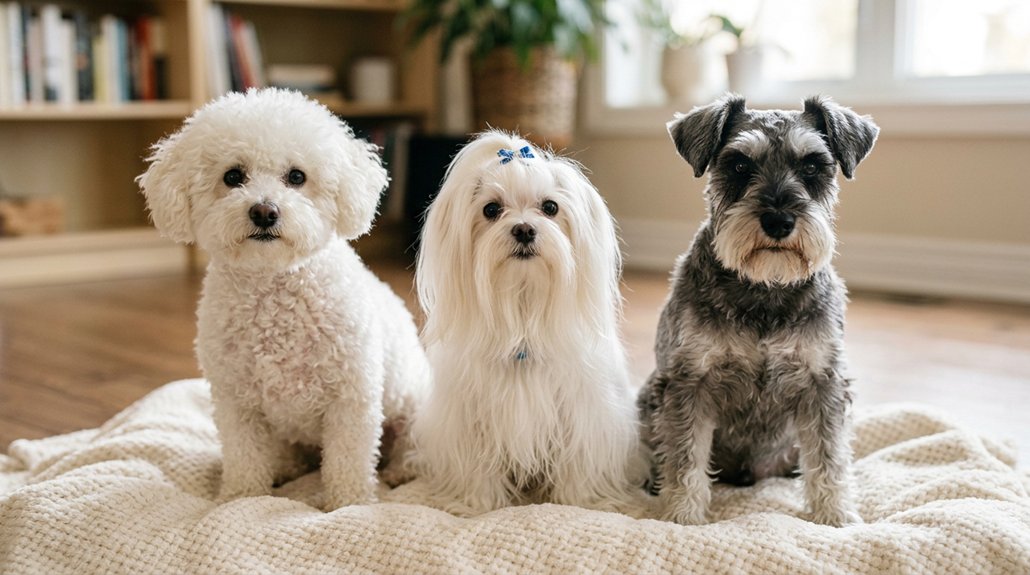
Choosing the right non-shedding small dog isn’t just about the coat — it’s about matching the dog’s energy, temperament, and care needs to how you actually live. If you’re a couch enthusiast, a Shih Tzu or Maltese won’t judge your Netflix binges. Active and adventurous? A Miniature Schnauzer will happily keep up. Got kids? Bichon Frises are basically fluffy diplomats. Live in a tiny apartment? Most small non-shedders adapt beautifully — just don’t skip the walks unless you enjoy chaotic zoomies at midnight. Also, consider grooming demands honestly. “Low-shedding” doesn’t always mean “low-maintenance.” Some breeds need regular trims. Match your patience level accordingly. Pick the dog that fits your real life, not your aspirational one.
Small Dog Breeds That Don’t Shed
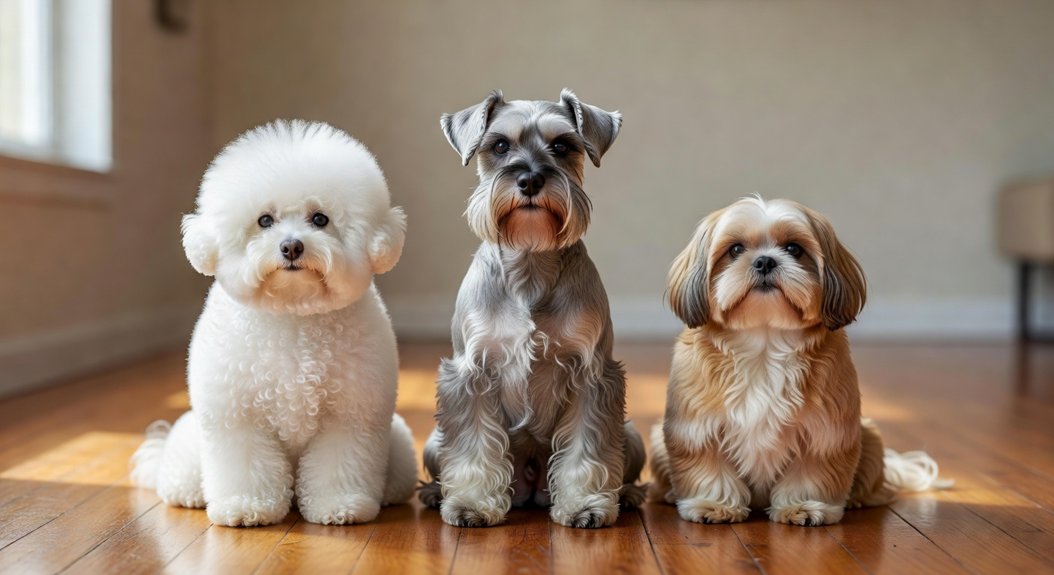
Several small dog breeds are naturally low-shedding, making them a practical choice if you’re dealing with allergies, a clean home obsession, or simply a hatred of lint rollers. These breeds produce minimal loose fur, though no dog is completely allergen-free — sorry to burst that bubble.
Your top contenders include:
- Maltese – silky, elegant, and surprisingly low-maintenance fur-wise
- Bichon Frise – fluffy but keeps its hair to itself
- Shih Tzu – long-coated but sheds minimally
- Miniature Schnauzer – wiry coat, big personality, zero fur donations to your couch
- Yorkshire Terrier – technically has hair, not fur, which is a game-changer
- Toy Poodle – the gold standard of hypoallergenic dogs
Each breed has unique grooming needs, so you’re trading vacuum time for brush time.
Maltese: The Classic Non-Shedding Lap Dog
The Maltese is one of the oldest toy breeds in existence, with a history stretching back thousands of years to ancient Mediterranean civilizations. Basically, this dog was living its best life before your ancestors even figured out indoor plumbing.
Weighing under seven pounds, the Maltese rocks a stunning white silky coat that doesn’t shed — it grows continuously instead. You’ll need regular grooming to keep that glamorous mane from becoming a matted disaster.
They’re affectionate, playful, and surprisingly bold for something that fits in your handbag. Don’t let their diva appearance fool you; Maltese dogs genuinely love people and adapt well to apartment living.
If you want an elegant, hypoallergenic companion who thinks they’re royalty, you’ve found your match.
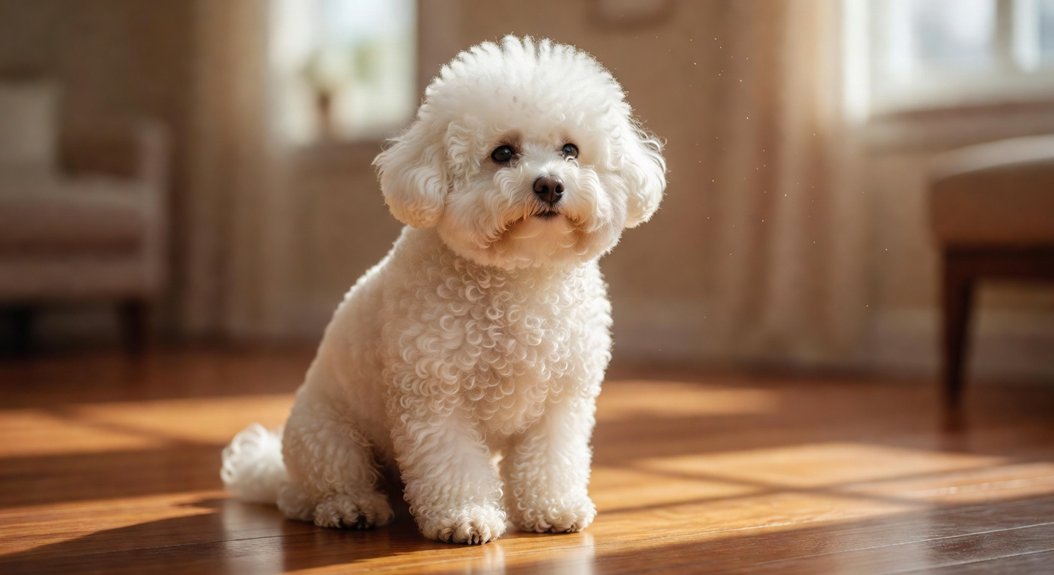
Bichon Frise: Fluffy, Friendly, and Practically Fur-Free
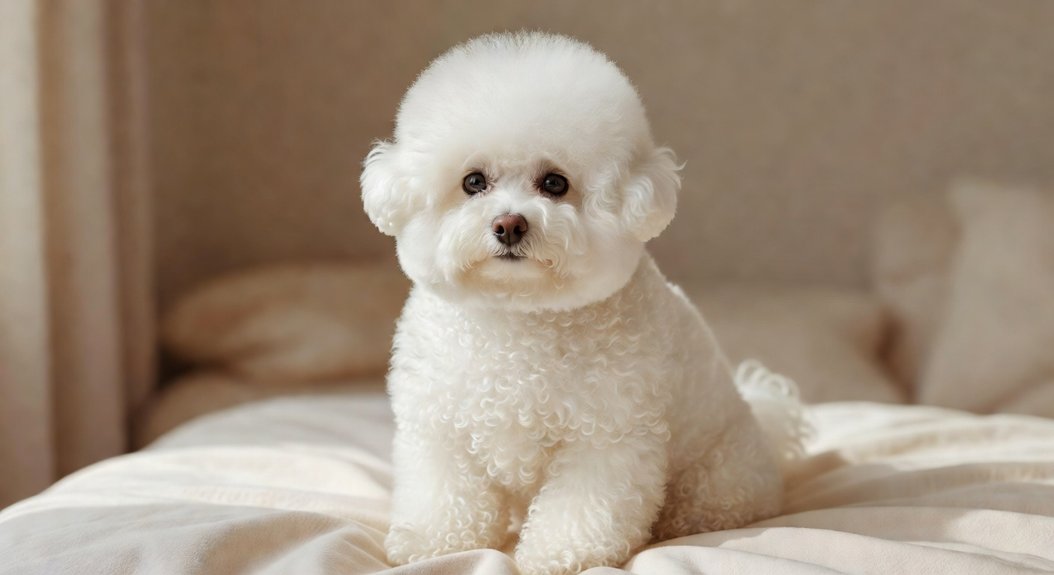
Few small breeds pull off “cloud in dog form” quite like the Bichon Frise. You’re getting a perpetually fluffy companion who somehow avoids coating your wardrobe in fur. Here’s why you’ll love this curly charmer:
- Their curly coat traps loose hair instead of releasing it everywhere
- They’re hypoallergenic, so your sneezy relatives can finally visit
- Their cheerful personality makes every room feel like a party
- Regular grooming keeps them looking like adorable cotton balls
You’ll need consistent brushing and professional grooming appointments, but you won’t be vacuuming daily or apologizing for fur-covered furniture. The Bichon’s playful, affectionate temperament perfectly complements their low-shedding superpower, making them an irresistible choice for neat freaks and dog lovers alike.
Shih Tzu: Small, Affectionate, and Easy on Allergies
Many Shih Tzus would happily spend their entire day curled up in your lap, and their low-shedding coat means you won’t pay for that loyalty with a fur-covered wardrobe. They’re basically tiny royalty who’ve decided you’re their throne.
| Feature | Shih Tzu Details |
|---|---|
| Size | 9–16 pounds |
| Coat Type | Long, silky, low-shedding |
| Temperament | Affectionate, playful, stubborn |
| Exercise Needs | Low to moderate |
| Allergy-Friendly | Yes |
You’ll still need to brush them regularly — they didn’t earn that glamorous look effortlessly. But you’re trading daily vacuuming sessions for grooming appointments, which honestly feels like a win. Their hypoallergenic qualities make them ideal if sneezing isn’t your preferred hobby.
Yorkshire Terrier: Tiny Dog, Big Personality, No Shed
If the Shih Tzu is tiny royalty, the Yorkshire Terrier is tiny royalty with a Napoleon complex — and somehow that makes them even more lovable. You’re getting a dog that’s convinced it’s a Great Dane trapped in a 7-pound body.
The Yorkshire Terrier: tiny royalty with a Napoleon complex, convinced it’s a Great Dane trapped in a 7-pound body.
Here’s what you’ll actually love about Yorkies:
- Their silky, human-like hair doesn’t shed — your couch survives.
- They’re fiercely loyal, basically becoming your tiny, opinionated shadow.
- They’re hypoallergenic, so allergy sufferers can finally exhale.
- Their bold personalities make them endlessly entertaining — never boring.
You’ll need regular grooming to keep that gorgeous coat manageable, but it’s worth it. If you want confidence, charm, and zero tumbleweeds of dog hair, the Yorkie delivers spectacularly.
Miniature Schnauzer: Wiry-Coated and Practically Shed-Free
The Miniature Schnauzer is the dog world’s no-nonsense working dog — compact, smart, and sporting a wiry double coat that holds onto hair instead of depositing it across your furniture. Think of it as a tiny, bearded accountant who takes grooming seriously. You’ll need professional trims every six to eight weeks, but you won’t be vacuuming dog hair off your black pants before every meeting. Schnauzers are spirited, alert, and occasionally convinced they’re running the household — which, honestly, they might be. They’re great with families, adapt well to apartment living, and their low-shedding coat makes them a solid pick if allergies are your concern. Basically, you’re getting maximum personality with minimal cleanup. That’s a pretty solid deal.
Toy Poodle: The Smartest Small Dog That Doesn’t Shed
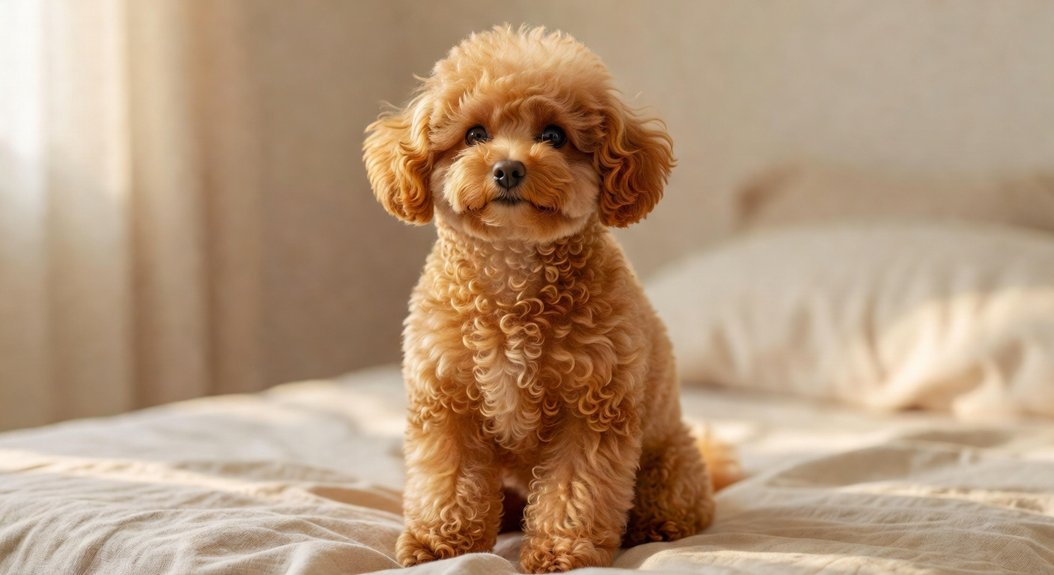
If you’re looking for a tiny dog that barely sheds, the Toy Poodle is one of the best choices you can make. Their curly, dense coat traps loose hair rather than releasing it into your home, making them a near-perfect option for allergy sufferers. However, you’ll need to commit to regular brushing and professional grooming every four to six weeks to keep their coat from matting.
Toy Poodle Shedding Facts
When it comes to shedding, Toy Poodles are about as close to non-shedding as a dog can get. Their hair grows continuously rather than falling out like confetti at a parade. Here’s what you need to know:
- Their curly coat traps loose hair instead of dumping it on your furniture.
- You’ll still need regular grooming every 6-8 weeks — no free lunch here.
- They’re considered hypoallergenic, making them friendlier to allergy sufferers.
- Without brushing, their trapped hair mats into what professionals call a “coat disaster.”
Basically, you’re trading weekly vacuuming sessions for regular grooming appointments. Most owners consider that a fantastic deal — your couch cushions certainly will.
Toy Poodle Grooming Needs
Keeping a Toy Poodle looking sharp requires three non-negotiable commitments: professional grooming every 6-8 weeks, daily brushing to prevent mats, and regular ear cleaning to ward off infections. Yes, you’ll fundamentally be co-parenting with a groomer.
Those famous curls don’t maintain themselves, and a neglected Toy Poodle quickly transforms from “elegant show dog” into “confused sheep.” You’ll want a slicker brush and metal comb in your daily arsenal.
Their floppy ears trap moisture, making them infection hotspots, so weekly cleaning isn’t optional — it’s survival. The good news? Their non-shedding coat means your couch stays fur-free. The trade-off is a grooming budget that’ll make you wince slightly. Consider it the price of living with a genius who always looks fabulous.
Which Non-Shedding Small Dog Fits Your Home Best?
Choosing the right non-shedding small dog comes down to your lifestyle, living space, and how much time you’re willing to dedicate to grooming and training. Consider these factors before adopting:
- Apartment dweller? A Maltese or Shih Tzu won’t judge your tiny square footage.
- Allergies ruling your life? A Bichon Frise or Toy Poodle keeps sneezes at bay.
- Love outdoor adventures? A Miniature Schnauzer’s your scrappy little hiking buddy.
- Want a lap potato? A Havanese will happily binge Netflix with you indefinitely.
You’re not just picking a dog — you’re picking a roommate who can’t pay rent. Choose wisely, because they’re staying forever, and they’re adorable about it.
Do Non-Shedding Small Dogs Still Need Grooming?
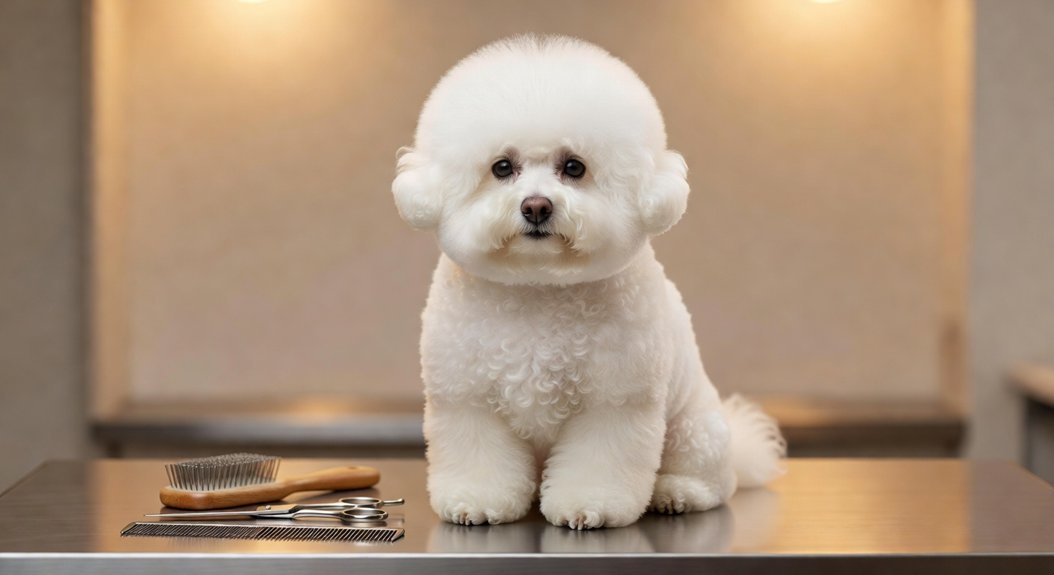
Even though your small dog doesn’t shed much, you’ll still need to brush their coat regularly to keep it healthy and tangle-free. Without routine maintenance, their fur can mat painfully against the skin, making professional grooming appointments a must. A groomer can handle trimming, detangling, and deep conditioning to keep your dog’s coat in top shape between your at-home brushing sessions.
Regular Brushing Still Matters
Many people assume that non-shedding dogs don’t need much grooming, but that’s far from the truth. Their coats still grow, tangle, and develop mats faster than you’d expect. Regular brushing keeps things manageable and your dog looking less like a tiny tumbleweed. Here’s why you shouldn’t skip it:
- Prevents painful matting that’ll make your pup give you the guilt-trip stare
- Distributes natural oils, keeping their coat shiny instead of dull and sad
- Removes dirt and debris hiding in that fluffy exterior like tiny stowaways
- Strengthens your bond because apparently, your dog enjoys being pampered
Aim for brushing two to three times weekly. It’s a small commitment that keeps your dog comfortable and your grooming bills from becoming terrifyingly expensive.
Professional Grooming Is Necessary
Regular brushing at home is essential, but it’s not a substitute for professional grooming. Think of it this way: you can wash your own hair, but you’re still visiting a stylist, right? Your non-shedding pup needs the same VIP treatment.
Professional groomers handle tasks that’ll make you cringe attempting solo — nail trimming, ear cleaning, and haircuts requiring actual skill. Without regular professional appointments, your “adorable Maltese” slowly transforms into a walking dust mop with eyes.
Most non-shedding small breeds need professional grooming every four to six weeks. Yes, it costs money. But weigh that against your dog resembling a confused haystack, and suddenly those grooming bills feel completely reasonable. Schedule those appointments and keep your pup looking intentional.
Coat Maintenance Prevents Matting
Most non-shedding small dogs still need consistent grooming because their hair grows continuously without falling out naturally. Skip regular brushing, and you’ll end up with a walking tumbleweed. Here’s what you need to stay on top of:
- Brush your dog’s coat at least three times weekly to prevent painful mats
- Schedule professional grooming every six to eight weeks for trimming
- Use a detangling spray after baths to keep knots from forming
- Check behind ears and under legs, where mats love hiding
Think of matting like that one junk drawer everyone has — ignore it long enough, and it becomes a disaster nobody wants to deal with. Your dog’s comfort depends on your consistency.
Are Small Non-Shedding Dogs Actually Hypoallergenic?
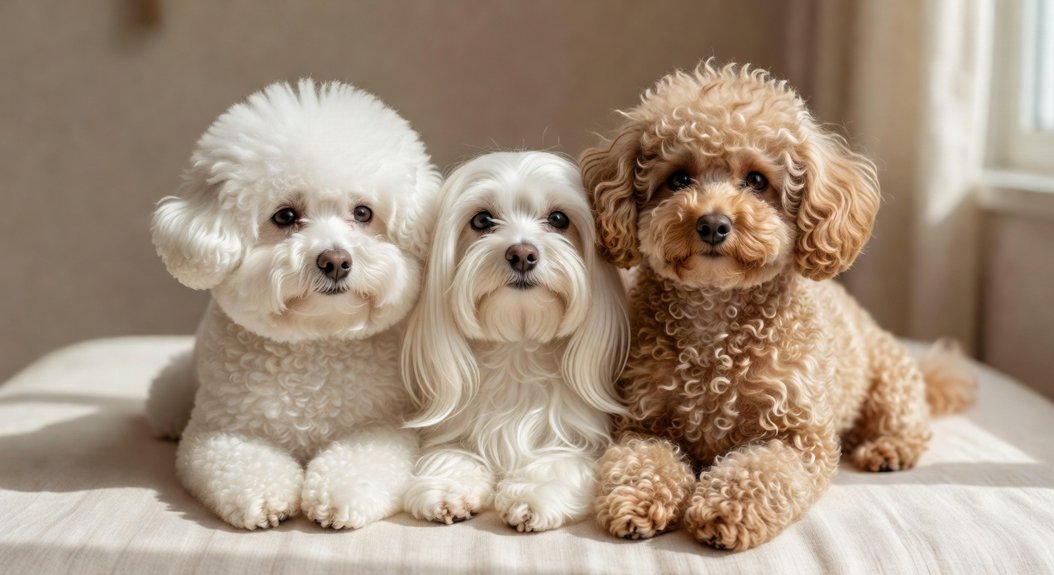
When you hear the term “hypoallergenic,” you might assume it means completely allergy-free — but that’s not quite accurate. Spoiler alert: no dog is truly hypoallergenic. Sorry to burst that bubble.
The real culprit behind allergies isn’t fur — it’s a protein called Can f 1, found in dog saliva, urine, and dander. Even a hairless dog can trigger sneezing fits like a confetti cannon aimed directly at your sinuses.
Forget the fur — Can f 1, hiding in dog saliva and dander, is the real sneeze machine.
Small non-shedding breeds simply produce *less* airborne dander since they’re not constantly launching fur across your furniture. That reduction can make a genuine difference for mild allergy sufferers.
Your best move? Spend time with a specific breed before committing. Your immune system deserves a vote in that decision.