Regular travel bowls just don’t work when you’re zooming down the highway at 65 miles per hour. Those floppy silicone bowls that fold up? They tip over the second you hit the brakes. And those bowls that clip onto cages? They splash water all over your car seats every single time you change lanes.
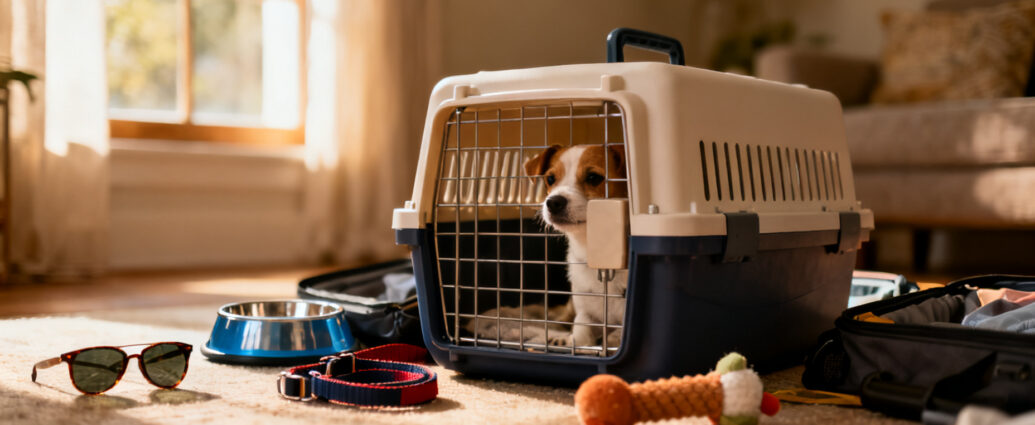
Here’s what actually works: Get a no-spill bottle with a locking ball-bearing tip. Or grab a heavy stainless steel bowl with a rubber bottom and a lid that screws on for traveling. For a Yorkie, look for something that holds 10 to 16 ounces. That’s big enough so you’re not filling it up every single hour, but small enough that your pup can actually reach it.
When you give your Yorkie water matters way more than you’d think. Give them water every hour and a half to two hours while you’re driving – not all the time. Here’s why: A Yorkie’s bladder can hold about 1 to 2 ounces for every pound they weigh. So if your little buddy weighs seven pounds, they can hold about 7 to 14 ounces before they really, really need to go. If they’re sipping water constantly, you’ll be stopping constantly. But if you give them water on a schedule, you can plan your stops better.
Put the water where your Yorkie can reach it while they’re safely buckled in. If they’re in a crash-tested carrier, clip a no-spill bottle to the mesh door right at their nose level. If they’re wearing a harness hooked to a seatbelt, put a weighted bowl in the footwell or in a cupholder where they can reach it. Never, ever let them walk around loose in the car just to get a drink. Keeping them safe is way more important than making things easy.
The One Comfort Item That Actually Works (And It’s Not What You Think)
You know that squeaky stuffed toy your Yorkie absolutely loves at home? It’s going to drive you completely bonkers by the time you get to Indiana. Trust me – hearing the same squeak over and over again in your car for six hours straight is nobody’s idea of fun.
Pack something different instead:
– A small fleece blanket
– A t-shirt that smells like you
– A textured mat they can scratch and knead with their paws
The trick is to bring something soft and familiar that doesn’t make noise. Yorkies calm down when they can snuggle into something that smells like you, not when they’re bouncing a noisy rubber toy around the back seat.
Size really matters here. A fleece square that’s about 12 inches by 12 inches is perfect for a carrier. Something about the size of your lap works great if they’re sitting next to you in a harness. Just don’t pick anything so big that it gets tangled up in their safety straps or blocks air from flowing through their crate.
Get it smelling like home three days before you leave. Sleep with it, put it on your pillow, or stick it in your dirty laundry basket for an afternoon. By the time you pack up the car, it should smell exactly like home. That smell is what helps them feel less worried – not the blanket itself, but the familiar scent that reminds them they’re still with you even when everything outside the window is flying by super fast.
Rest Stop Potty Strategy: The System No One Tells You
The secret is timing, not how often you stop. A Yorkie can usually hold their pee for about three to four hours if everything’s calm and normal. But riding in a bumpy car when they’re feeling nervous makes that time shorter. Plan to stop every two to two-and-a-half hours, and try to time it when you need to use the bathroom too. This way you avoid accidents and you won’t be frantically searching for an exit when your pup is already doing the potty dance.
Sometimes rest stops are pretty gross – maybe there are loose dogs running around, trash everywhere, or there’s just no rest stop for the next 40 miles. That’s when a portable potty pad setup saves the day. Picture yourself pulling into a sketchy rest area at dusk with your seven-pound Yorkie, and there’s a huge unleashed German Shepherd sniffing around the grass. Having your own portable setup means you can just lay it out by your car instead. The Frisco Travel Pad Holder (it’s 14 inches by 18 inches) or the PetSafe Pet Loo both work great for Yorkies. Just set it up next to your car, put your dog on their leash, let them go on the familiar pad texture, then pack it back up in a gallon-sized Ziploc bag. Super easy.
Find safe spots quickly. Look for grassy areas away from the main building, not near the smelly trash cans, and far from where the big trucks park. Stay away from spots where another dog just peed unless you want to stand there for ten minutes while your Yorkie sniffs every single blade of grass. Bring a small flashlight or headlamp if you’re traveling early in the morning or late in the evening. It’s way easier to spot dangerous stuff like broken glass or fire ant hills when you can actually see the ground.
Keep your cleanup kit in the car door pocket where you can grab it fast:
– A roll of bags that break down naturally
– A small spray bottle of pet stain cleaner
– A pack of unscented wipes
– A small cloth for wiping up messes
Grass, gravel, parking lot, or even that random patch of wood chips – you’re ready for anything.
Temperature Control Beyond ‘Crack a Window’
A cooling mat sounds like a great idea until you realize your Yorkie is strapped into a harness and can’t move around to lie on it. Here’s what actually works: Get a thin gel mat (about 12 inches by 16 inches) and put it right under where they’re sitting – whether that’s the footwell, a booster seat, or the bottom of their carrier. The Green Pet Shop Cool Pet Pad in small size works really well. They’ll stay cooler from touching it without needing to move around.
Yorkies get too hot faster than you’d think in a car. Because they’re so small and have thin fur, they can’t control their body temperature as well as bigger dogs. Even with the air conditioning running, a car in bright sunshine can get up to 85 degrees inside. Stick a small thermometer on your dashboard near where they’re sitting. If it says the temperature is above 78 degrees where they are, change where the air is blowing or add a small battery-powered fan that clips on.
But here’s the opposite problem: too much air conditioning. A Yorkie will start shivering when it’s 68 degrees, especially if they’re just sitting still and the air vent is blowing right on them. Pack a lightweight fleece blanket (not the smelly comfort one – a different one just for warmth) that you can put over their carrier or tuck around them in their harness. Think about the size of a baby blanket, something that keeps them warm without being too big or making it hard for them to breathe.
The Document Folder You’ll Be Grateful For
Bring your dog’s vaccination papers even if you’re not driving to a different state. Some campgrounds, hotels, and even certain rest areas near state borders ask to see proof that your dog got their rabies shot. Just put a printed copy of their current rabies certificate and their general health records from the vet in a simple plastic sleeve. That covers most situations.
Take photos before you leave home:
– A clear picture of their face
– One showing their whole body and their markings
– A close-up of anything special like a crooked tooth or a unique spot in their fur
If your Yorkie slips out of their collar at a rest stop, you’ll need these pictures right away. You can post them on social media, send them to local vets and animal shelters, and show them to people who might have seen your dog. Save them in a special folder on your phone and email the pictures to yourself too.
Look up emergency vet clinics before you leave. Open Google Maps, search for 24-hour animal hospitals in the cities you’ll drive through, and save their phone numbers in your phone. Imagine this: Your Yorkie suddenly throws up three times in twenty minutes somewhere outside Knoxville, Tennessee, and you’re freaking out in a Cracker Barrel parking lot with no clue where to go. If you already have two or three clinic numbers saved, a scary situation becomes something you can handle.
Food & Medication Timing That Prevents Car Sickness
Start changing when they eat 24 hours before you leave. Give them a slightly smaller dinner the night before (about three-quarters of what they usually eat). Then give them a light breakfast – half of what they normally get – two to three hours before you put them in the car. Having some food in their stomach but not too much helps stop car sickness without making them super hungry.
Pack their regular food in separate servings, not the whole big bag. Use small Ziploc bags or a travel container with sections, with each one holding exactly one meal. A Yorkie usually eats a quarter cup to a half cup per meal, depending on how big they are and how active they’ve been. When you measure it out ahead of time, you won’t be messing around with a scoop and a five-pound bag in a hotel room at 7 o’clock at night when you’re totally exhausted.
Split your medicine and vitamins into two groups:
Stuff you need right away (keep under your seat or in the center console):
– Any prescription medicine they take every day
– A small tube of probiotic paste for upset tummies
– A few doses of whatever your vet said to use for nervousness or car sickness
Stuff for your luggage:
– The full bottles of everything else
– Backup supplies
– Anything you won’t need until you get where you’re going
The Backup Restraint System No One Packs
One harness with one clip is just one thing that could break. If that buckle snaps or that metal ring bends, suddenly your Yorkie isn’t strapped in safely anymore. Having backups means an extra harness, a spare collar, and another leash – all the right size and stored somewhere you can grab them without unpacking your entire trunk.
The glove box is the perfect spot. Keep a step-in harness in XXS or XS size (it depends on how big around your Yorkie’s chest is – measure them before you buy it, because “small” means totally different things for different brands). Also pack a lightweight nylon collar and a four-foot leash. For a Yorkie, you’re usually looking at about an 8 to 12 inch neck and a 10 to 14 inch chest, but check with a soft measuring tape wrapped snugly but not too tight.
Imagine a buckle breaks at a rest stop when you’re 200 miles from the nearest pet store. You’re halfway through Kansas, it’s 9 o’clock at night, and everything’s closed. If your backup stuff is in the glove box, you can swap it out in two minutes and keep going. If it’s sitting at home, you’re either holding your dog in your lap for the next four hours or trying to make a leash out of your phone charger cable and hoping for the best. Pack the backup gear. You’ll feel silly about it until the exact moment you actually need it – and then you’ll be so glad you did.