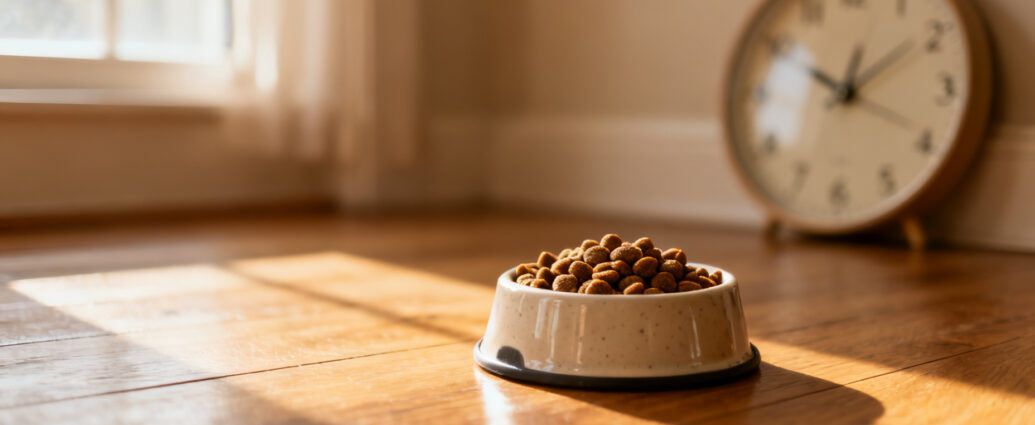
Small dogs are like little furnaces that burn super hot! Their bodies use up energy way faster than bigger dogs do. Think about it like this: a tiny Chihuahua’s body works much harder than a big Labrador’s body, even though the Chihuahua is so much smaller. Toy breeds that weigh less than 5 pounds have an extra tough time. Their tiny livers just can’t store enough backup energy to keep them going when they haven’t eaten in a while.
The warning signs show up really fast. Here’s what to watch for:
• Your dog feels weak and wobbly
• Shaking that won’t stop
• Acting confused, like they forgot where their food bowl is
• Eyes that look glassy and can’t focus right
• Seizures in really bad cases
These scary symptoms can get worse in just 30 to 60 minutes once their blood sugar drops too low. That’s why every owner of a small dog needs to spot these signs right away!
Here’s the big mistake most people make: they worry about how much their dog eats instead of when they eat. Picture a Chihuahua who gets all her food split into just two big meals each day. Her blood sugar goes way up, then crashes way down – like a roller coaster! But when you give small meals throughout the day, her blood sugar stays nice and steady. That’s the secret to keeping your tiny pup safe. Feeding your small dog several times a day isn’t just a good idea – it’s the most important thing you can do to stop hypoglycemia before it starts.
Rule 1: Puppies Under 5 lbs Need 4-5 Meals Daily (Every 3-4 Hours)
Think of your puppy’s day like a clock with meals every three to four hours. Here’s what a good schedule looks like:
| Time | Meal |
|---|---|
| 7-8 AM | Breakfast |
| 11 AM | Mid-morning snack |
| 2-3 PM | Lunch |
| 6-7 PM | Dinner |
| 10 PM | Bedtime snack |
Keep the portions small because your puppy’s tummy is tiny! For a 2-3 pound puppy, give just 1-2 tablespoons per meal. For puppies that weigh 4-5 pounds, give 2-3 tablespoons. You might need to give a little more or less depending on how active your puppy is. If you can see their ribs sticking out, they need more food. If they’re getting pudgy, cut back a bit.
The nighttime is the trickiest part. Some breeders who’ve been raising tiny puppies for years will tell you to set an alarm for 2 AM! Yes, that means waking up in the middle of the night. Imagine a breeder with fifteen years of experience raising teacup Yorkies – she might wake up at 2 AM every single night for the first twelve weeks with puppies under 3 pounds. It’s exhausting, and you’ll feel like a zombie. But here’s the good news: you probably won’t have to do this forever. Most puppies can make it through the night once they’re about three months old and bouncing around with good energy. But for those first few fragile weeks with a super tiny puppy, losing some sleep is way better than rushing to the emergency vet at 4 AM because your puppy’s blood sugar crashed.
Rule 2: Adult Dogs Under 5 lbs Still Need 3-4 Meals (Never Just Two)
Just because your Yorkie grew up doesn’t mean they suddenly turned into a big dog on the inside! A 4-pound adult dog still can’t store energy like a Beagle can. Adult dogs under 5 pounds need at least three meals every single day. Four meals is even safer for many tiny dogs.
Here’s how to set up the schedule: breakfast, lunch, dinner, plus maybe a late-evening snack if more than ten hours will pass before breakfast the next morning. Don’t let more than 5-6 hours go by between meals during the day. Give breakfast within thirty minutes after your dog wakes up. Serve dinner no earlier than 6 PM – this helps make that long overnight stretch shorter, and your dog has to fast overnight whether they like it or not.
For portion sizes, most 4-5 pound dogs need about ¼ to ⅓ cup of food total each day, split up across all those meals. Dogs that weigh less need even smaller amounts. Pick really good quality dog food that’s packed with calories and nutrition. That way, your tiny dog gets everything they need without having to stuff themselves. A small stomach can only fit so much food, which is exactly why spreading meals throughout the day is so important!
Rule 3: Dogs 5-10 lbs Can Graduate to 3 Meals Daily (With Proper Spacing)
Most dogs in this weight range can safely drop down to three meals once they’re fully grown, which usually happens around 10-12 months old. But wait! If your dog has ever had a hypoglycemia episode – even just once – they should stick with four meals forever.
Here’s what a three-meal day looks like:
• Breakfast at 7-8 AM
• Lunch or a big snack at 1-2 PM
• Dinner at 7-8 PM
This keeps the overnight fast under twelve hours, which most dogs in this size range handle just fine.
Now, let’s talk about the lunch debate. Some owners of 8-10 pound dogs skip the midday meal completely, and their dogs do great. But dogs closer to 5 pounds are still at higher risk. Skipping lunch can backfire badly. Test it carefully if you want to try – watch your dog’s energy all afternoon. Do they seem super hungry at dinnertime? Do you notice any slight shakiness or tiredness before the evening meal? If you see any of those warning signs, add lunch back permanently and don’t skip it again.
Rule 4: Dogs 10-15 lbs Can Handle 2-3 Meals (But Watch Individual Tolerance)
This is where many small dogs can finally move to eating just twice a day! Breakfast and dinner spaced 10-12 hours apart works great for most healthy adult dogs in this weight range. Sturdy breeds like Westies and Miniature Schnauzers usually have more stable metabolism, so they handle this schedule really well.
But not all 10-15 pound dogs are the same! Skinny, high-energy dogs still need three meals. So do any dogs who’ve had hypoglycemia problems before. Delicate breeds like Italian Greyhounds or Toy Poodles often act more like smaller dogs even though they weigh more. They’re built like 7-pound dogs stretched taller, not like solid 15-pound tanks.
Portions get bigger here: ½ to ¾ cup of food total each day for 10-12 pound dogs, and ¾ to 1 cup for 13-15 pound dogs. Split that amount across however many meals your specific dog needs. Then adjust based on how active they are and whether they look too skinny or too chubby. Imagine a lazy Shih Tzu who naps on the couch all day versus a Miniature Pinscher who zooms around the house like he’s training for the Olympics – they won’t need the same amount of food!
Rule 5: Senior Dogs Need More Frequent, Smaller Meals (Regardless of Weight)
Getting older changes everything. Dogs who did perfectly fine with two meals for years can develop problems controlling their blood sugar as they become seniors – usually around 8 years old or older for small breeds. That reliable metabolism you counted on for ten years starts acting unpredictable.
Add back a midday meal. If your senior dog has been doing fine with just breakfast and dinner, go back to three meals. Make each portion smaller so you’re not accidentally overfeeding them. An aging metabolism often means dogs gain weight easier, so the total daily amount might actually need to go down even though you’re feeding more often.
Teeth problems and tummy troubles make things harder too. Older dogs with missing teeth struggle with the same kibble they used to crunch through easily. Their digestive system doesn’t work as well anymore, so bigger meals feel heavy and uncomfortable. Smaller, more frequent meals are easier to chew and digest. Some seniors need softened food or totally different textures. What worked great when they were four years old might genuinely hurt at age twelve.
Rules 6 & 7: Emergency Protocols and Schedule Adjustments for Real Life
Rule 6: Keep emergency glucose sources where you can grab them fast. Corn syrup, honey, or Nutri-Cal gel – pick one and always know exactly where it is. If you spot hypoglycemia symptoms, rub ½ teaspoon on your dog’s gums if they weigh under 5 pounds, or 1 teaspoon for bigger dogs. Then watch the clock closely. If symptoms don’t get better within fifteen minutes, you’re heading to the emergency vet right now – don’t wait around to see what happens.
Rule 7: Adjust schedules for your actual life. The guidelines above work great if you have a regular schedule, but real life gets messy! People who work night shifts can’t always feed breakfast at 7 AM. Frequent travelers deal with crazy time zone changes. People with irregular hours need strategies that actually work in the real world.
Here are some solutions that actually work:
• Timed automatic feeders can handle midday meals when you’re at work
• Dog walkers or friendly neighbors can give lunch if you ask them nicely and leave pre-measured meals ready
• You can shift meal times around as long as you keep feeding often enough – imagine serving dinner at 9 PM and breakfast at 10 AM if that’s when you’re actually awake and functional, just make sure your dog still gets that important midday meal
Stress and sickness mean you need to change the schedule temporarily. After your dog gets shots at the vet, increase feeding for the next 24-48 hours – their immune system fighting off the vaccine burns extra energy. Do the same thing during illness, after surgery, or in really cold weather when their body works harder to stay warm. Picture a Pomeranian recovering from having teeth cleaned at the vet: even if she normally does great on three meals, she might need four or five smaller portions for a few days while her body heals.
Important reminder: Pay close attention to YOUR individual dog. These rules give you a great starting point, but your 6-pound Maltese might need what usually works for 4-pound dogs. Or your 4-pound Chihuahua might be tough as nails like a much bigger breed. Guidelines tell you where to start. Your dog’s energy levels, body shape, and behavior tell you whether you’ve got it right.