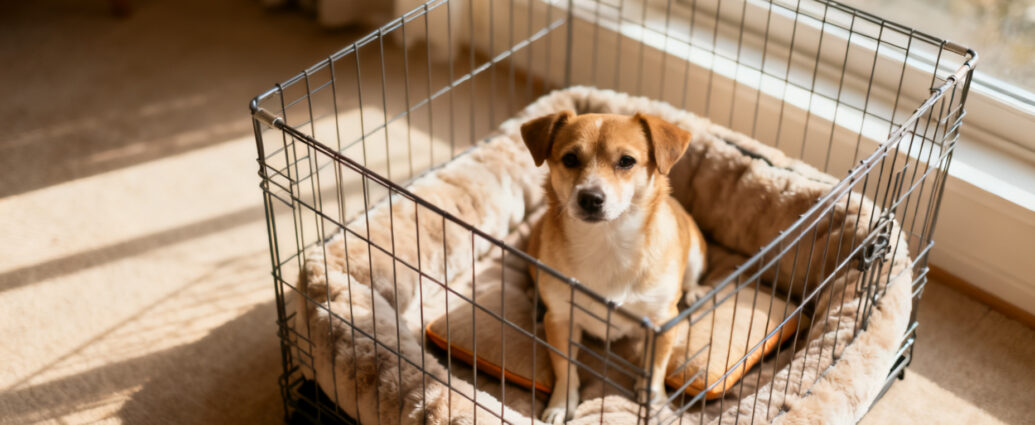
Measure Your Yorkie’s Actual Dimensions (Not the Breed Standard)
Your tape measure matters way more than any sizing chart you’ll find online.
Here’s how to measure the right way:
Start with sitting height. Put your Yorkie on a flat surface like your kitchen floor. Then measure from the floor all the way up to the very top of their head when they’re sitting like normal. Not stretched up trying to see what you’re doing. Not slouching into a lazy afternoon posture. Just normal, alert sitting – like when they hear you open the treat bag. Most 8-pound Yorkies measure about 9-11 inches this way.
Length comes next. Measure from nose tip to where the tail starts while your Yorkie stands on all four legs. The base of the tail, not the end of it – that fluffy part at the end doesn’t count! For an 8-pounder, you’ll probably get 11-13 inches. Yorkies have that long terrier body shape, so this number surprises people. Many folks think small weight means tiny, compact build. Nope!
Breed standards will mess you up. Your 8-pound Yorkie might have longer legs than the pictures in dog books show. Or a deeper chest that needs more up-and-down room. Your specific dog’s body is what counts, not some perfect idea of what Yorkies “should” look like.
The simple formula:
– Add 3-4 inches to sitting height = minimum height your crate needs
– Add 2-3 inches to length = how long your crate should be
This keeps your Yorkie from having hunched shoulders. It gives them room to shift around without bumping into walls every two seconds.
Local Tip: I’ve watched way too many Yorkies in our neighborhood squeeze into crates that are just plain too small. Their owners meant well, but those pups looked miserable! Don’t make your furry friend hunch over like they’re trying to fit under a coffee table.
Resist the ‘Room to Grow’ Trap (Especially If Your Yorkie Is Already Full-Grown)
Eight pounds usually means your Yorkie is done growing.
Most Yorkies hit their adult weight somewhere between 9-12 months old. If yours is past that age and holding steady at 8 pounds, buying a huge 24-inch crate “just in case” doesn’t help. Actually? It causes problems.
Too much space teaches bad bathroom habits. Your Yorkie will go potty in one corner and sleep in another corner. Why wouldn’t they? It’s like having a studio apartment in there! You’ve just messed up the whole housetraining idea that dogs don’t want to mess where they sleep.
The right size for an 8-pound adult Yorkie:
18 inches in length works perfectly. Picture a crate that measures 18L x 12W x 14H – that hits the sweet spot. Enough room to stand up, turn around, and stretch out. But NOT enough room to set up a bathroom three feet away from the bedroom.
Divider panels make sense in exactly one situation. Imagine you have a 5-month-old Yorkie who weighs 5 pounds right now. Your vet says they’ll probably reach 8 pounds when fully grown. Then yes, buy the 18-inch crate with a divider and adjust it as they grow. Otherwise? Skip it completely.
Account for Yorkie-Specific Posture and Sleeping Habits
Yorkies curl up super tight when they sleep. This tricks people into thinking they need less space than they actually do.
But here’s the thing – they also need to stand up totally straight and turn around without doing some complicated three-point turn like a car in a tiny parking spot. That needs at least 11-12 inches of width. The curl-and-stretch reality means you can’t just measure them when they’re napping.
Head clearance matters a LOT. Yorkies sit with their heads held high and alert – it’s the terrier breeding, that constant “what’s happening?” attitude. Imagine a crate with only 11 inches of height inside. That forces them into a hunched-over posture that looks uncomfortable even if they don’t complain. Fourteen inches of up-and-down space lets them sit naturally, the way they want to.
The turn-around test settles sizing arguments fast. Put your Yorkie in the crate and watch them do a full circle – all 360 degrees. If their shoulders bump the walls? Too small. This one test rules out most crates sold as “extra small” for 3-5 pound dogs.
Watch Out for This Sneaky Problem:
Door height is the dealbreaker nobody talks about! A crate might have 14 inches of space inside but only a 9-inch door opening. Your Yorkie has to duck and crouch every single time they go in. That builds negative feelings super fast. Check door measurements separately from the overall inside measurements.
I’ve seen this happen around town more times than I can count. Someone buys what looks like a great crate, but the door is tiny! Their poor Yorkie acts like they’re going into a cave they don’t trust.
Differentiate Between Home Crates and Travel Carriers
One crate cannot do both jobs well. Trust me on this.
Your home crate needs:
– Sturdy construction
– Air flow on at least three sides
– Enough space for a small water bowl that clips on
An 18L x 12W x 14H wire crate or heavy-duty plastic model works great for this. Your Yorkie might spend eight hours overnight in this thing – it needs to feel like a decent place to hang out, not a cramped box.
Travel carriers answer to totally different rules. They must fit under an airplane seat, which usually means 18L x 11W x 11H maximum size. They’re usually soft-sided so they can squish slightly to squeeze into tight spaces. That means less headroom than your home setup gives.
The math just doesn’t work. A 14-inch-tall home crate won’t slide under a seat with only 9 inches of space. A travel carrier with 11 inches of height feels cramped for sleeping in every single night. These are completely different tools for different jobs.
The two-crate solution costs less than you’d think:
| Crate Type | Price Range |
|---|---|
| 18-inch wire crate | $35-50 |
| Airline-approved soft carrier | $40-70 |
| Total for both | $75-120 |
You’re looking at spending $75-120 total to do both jobs the right way. That beats trying to compromise and creating problems that’ll drive you nuts.
Test the Crate Setup Before Committing
Build a cardboard box first. Seriously!
Cut and tape together an 18 x 12 x 14-inch box from cardboard. Let your Yorkie explore it for ten minutes. This costs you nothing except maybe twenty minutes of your time. And it tells you whether these measurements actually work for YOUR specific dog.
Watch for three things during the test:
- Does your Yorkie’s head brush the top when they sit normally?
- Can they turn around in one smooth motion, or do they need to back up and try again?
- Do they immediately try to back out, or do they settle in to check it out?
The bed-thickness thing changes everything. Picture a Yorkie with knee problems – pretty common in the breed – whose owner wants to use a 2-inch thick orthopedic pad for joint support. That pad eats up 2 inches of your vertical space! Suddenly a 12-inch inside height becomes just 10 inches of actual headroom. That’s borderline cramped. This is why 14-inch height becomes non-negotiable.
Return policies matter more than fancy brand names. Buy from stores that let you return stuff within 30 days. A five-minute test in the store tells you basically nothing about how your Yorkie will act during real overnight crating. A week of actual use? That reveals whether they settle down comfortably or spend every night trying to rearrange the space.
Real Talk: I know someone who bought three different crates before finding the right one. Their Yorkie acted totally fine in the store but hated the first two at home. The store with the good return policy saved them a bunch of money and frustration!
Avoid These Three Crate-Sizing Mistakes Yorkie Owners Make
Mistake #1: Buying a 24-inch crate because it was on sale
Picture this – you assume your 8-pound Yorkie will love the extra space. They won’t! Housetraining will fall apart. That sale price doesn’t make up for three extra months of cleaning up accidents because your Yorkie decided one end of their huge crate is now the bathroom zone.
Mistake #2: Choosing a crate based only on weight charts
An 8-pound Yorkie with a long back needs way more length than an 8-pound Pomeranian with a compact, square build. Weight tells you almost nothing about how much space they need. Body shape tells you everything!
Mistake #3: Forgetting about the crate door swing and where it goes
You measure the crate. You measure your Yorkie. Everything looks perfect! Then you get it home and realize the only good spot in your apartment needs a side-opening door, not a front-opening one. Now the door swings straight into your couch. Oops! Check your floor plan before you buy, not after you’ve already opened the box.
Specific Crate Recommendations for 8-Pound Yorkies
The wire crate sweet spot: 18-inch single-door models with a plastic tray you can take out.
The MidWest iCrate in 18L x 12W x 14H does this really well. It lets air flow through and your Yorkie can see out on three sides. But it doesn’t give them enough space to set up separate living areas. The tray you can remove makes cleaning super straightforward. You’ll appreciate that at 6 AM when accidents happen!
Plastic crate option: The Petmate Sky Kennel in 19 inches (19L x 12.6W x 10H) works great for calmer Yorkies who like a den-like space that feels cozy. The 10-inch height is borderline for dogs who sit with their heads up high, though. If your Yorkie carries their head especially upright – like they’re always on guard duty – this won’t work. It’s better for Yorkies who naturally hunch a bit or prefer to stay lying down most of the time.
Soft-sided travel pick: The Sherpa Original Deluxe in Small (18L x 11W x 11H) meets most airline rules. It squishes slightly to fit tight under-seat spaces. The 11-inch height is a compromise – okay for a six-hour flight, not great for sleeping in every night at home.
Skip these completely: Any crate sold as “toy breed” or “teacup” with measurements under 16 inches long. These are made for 3-5 pound dogs. They will cramp an 8-pound Yorkie, no matter how delicate and tiny your Yorkie’s bones look. Weight matters here!
My honest opinion? Most people around here buy crates that are either way too big or way too small. They’re trying to save money or they’re guessing. Just measure your dog properly, add those few extra inches, and get the 18-inch crate. Your Yorkie will thank you by actually using it without complaining!