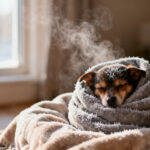
Your Chihuahua is shaking on the sofa. The thermostat reads 72°F. You’re in a t-shirt. What’s going on?
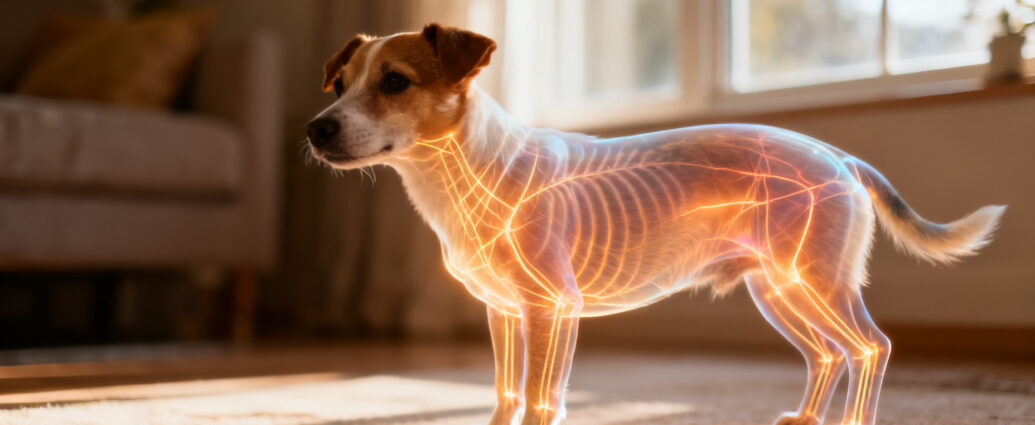
It’s mostly about physics. Small dogs – especially those under 10 pounds – have a tricky problem. They have lots of skin on the outside compared to how small their body is on the inside. They lose heat super fast, way faster than they can make new heat. Even when the room feels totally fine to us, they’re getting chilly!
Think about a five-pound Yorkie. That’s a lot of skin trying to stay warm from a teeny tiny furnace inside. It’s like trying to heat a house with a birthday candle. When their body temperature drops even a little bit, shaking is their body’s quick way to make heat fast.
Breeds that shake the most:
– Chihuahuas
– Italian Greyhounds
– Toy Poodles
– Yorkshire Terriers
– Maltese
These breeds have almost no body fat. Their coats are super thin – just one layer instead of two. An Italian Greyhound can start shaking in a room where a Labrador would be perfectly happy, maybe even too warm!
Here’s something important: small dogs burn energy way faster than big dogs. It’s like having a race car engine in a toy car body. All day long, their body temperature goes up and down just a little bit. When it dips, they shake for a minute. They’re not upset or scared. Their body is just fixing itself.
Real Talk: That 72°F room that feels perfect to you? To a five-pound dog with basically no insulation, it feels pretty cold. Their body thinks differently about temperature than ours does.
When your small dog shakes while just sitting on the couch, they’re often doing what you do when you turn up the heat. It’s totally normal for them!
Excitement, Anxiety, and Adrenaline: The Emotional Shakers
Small dogs don’t just shake when they’re cold. They shake from feelings too.
When a seven-pound Pomeranian gets a burst of adrenaline, it hits their tiny body really hard. The doorbell rings, and boom – stress hormones flood their system with nowhere to go. The result? Their whole body starts trembling. It looks scary, but usually it’s just their body dealing with big emotions in a small space.
How to tell the difference between excited shaking and anxious shaking:
| Excited Shaking | Anxious Shaking |
|---|---|
| Sees the leash, starts quivering | A stranger walks up |
| Might spin in circles | Body goes stiff and tight |
| Tail is up and wagging | Pupils get really big |
| Eyes are bright and happy | Shaking starts at shoulders |
| Body looks loose and wiggly | Trembling spreads everywhere |
Context is everything. You know your dog best, and you can usually tell what kind of shaking you’re seeing.
Some breeds are just wired to be more high-strung. Chihuahuas and Pomeranians are at the top of that list. They’re always on alert, always ready to react. They treat every little thing like it’s a huge deal. What might make a Westie pause for one second sends a Chihuahua into full-body shaking mode. It’s just how they’re built.
Most emotional shaking is totally normal and fine. But here’s when you should pay closer attention: if your dog trembles all the time in regular, everyday situations – just sitting in the living room, riding in the car, being around people they know well – that’s anxiety that needs help. You can try training to help them feel calmer, calming treats from the pet store, or talk to your vet. When a dog shakes constantly for no clear reason, it’s not just “how they are.” It means they’re stressed, and you can help them feel better.
I’ve watched friends deal with this. Picture a nervous Pomeranian who shook every single time someone walked past the window – which in a busy neighborhood meant basically all day long. After working with a trainer and trying some calming supplements, that little dog learned to relax more. The shaking didn’t completely stop, but it got way better. That’s a huge improvement in how happy the dog felt every day.
Medical Causes: When Shaking Means Something’s Wrong
Sometimes shaking isn’t just a quirk. It’s your dog telling you something is actually wrong.
Low blood sugar (hypoglycemia) is the biggest danger for tiny dogs. Dogs under five pounds can get dangerously low blood sugar if they go too long without eating. The shaking comes with feeling weak, acting confused, and sometimes even collapsing. Imagine a three-pound Chihuahua who didn’t eat breakfast and is now shaking like crazy by 10 in the morning – that’s their blood sugar crashing, not cold or nerves. You need to act fast: put a tiny bit of honey on their gums, then feed them a real meal right away.
Pain makes dogs shake too, and small dogs are really good at hiding when they hurt. Tooth problems are super common in toy breeds. Infected teeth really hurt, and that constant pain shows up as trembling even when the dog seems okay otherwise. Kneecaps that slip out of place (vets call them luxating patellas) happen a lot in Yorkies, Pomeranians, and Chihuahuas. Joint pain doesn’t always make them limp. Sometimes it just makes them quiver.
Some dogs have brain and nerve problems that cause shaking. There’s something called Generalized Tremor Syndrome – they used to call it White Shaker Syndrome, but it happens in dogs of all colors. It causes whole-body shaking that gets worse when they move around and gets better when they rest. The good news is vets can treat it, but you need to get it checked out. If your dog’s shaking is steady and rhythmic, keeps happening, and doesn’t seem connected to temperature or emotions, take them to the vet.
Emergency situation: Poisoning. Sudden, really bad shaking plus throwing up, acting super tired, drooling a lot, or losing balance means your dog ate something poisonous. Xylitol (in sugar-free gum and candy), chocolate, some plants, cleaning products – all of these can cause serious trembling fast. Don’t wait to see if it gets better. Get to the vet immediately.
Age-Related Shaking: Puppies vs. Senior Small Dogs
Puppies shake a whole lot. And it’s completely normal!
Small-breed puppies under six months old are still learning how their bodies work. They don’t have much fat stored up yet, and their systems are still figuring out how to stay the right temperature. Plus, everything is new to them – new sounds, new people, new experiences. Some things are exciting, some are scary. You end up with a trembling little puppy who calms down as they grow up and learn more about the world.
Senior dogs shake for totally different reasons. Their muscles get weaker. They might have arthritis. Their brain doesn’t work quite as sharp. Medications can have side effects. All of this can make older dogs shake more. Picture an elderly Maltese who shakes just from getting tired after a short walk. Or think about a senior Pomeranian with arthritis who trembles when standing up or going up stairs.
The important thing is figuring out if the shaking is just normal aging stuff or something more serious. Kidney disease, Cushing’s disease, and heart problems can all cause shaking in older dogs. If the trembling just started, if it’s getting worse, or if you notice other changes – drinking tons of water, losing weight, acting confused – your dog needs blood tests and a senior checkup at the vet.
From Experience: Sometimes age-related shaking just needs some simple help. Joint supplements from the pet store, a heated bed, gentle walks to keep their muscles strong – these things can make a big difference. Other times the shaking is a sign of something the vet can actually treat. Don’t just assume “they’re old, nothing we can do.”
Breed-Specific Shaking: Who’s Most Affected and Why
Not all small dogs shake the same amount.
The champion shakers are Chihuahuas, Italian Greyhounds, and Toy Poodles. Chihuahuas are the triple threat: fast metabolism, thin coats, and they react to everything. They’ll tremble from the tiniest temperature drop or emotional moment. Italian Greyhounds have basically zero body fat and get cold super easily – they’re built like tiny, shivering greyhounds because that’s exactly what they are. Toy Poodles are nervous and worry-prone, which makes them shake from emotions even when they’re physically comfortable.
Some sturdier small breeds shake way less. Westies and Cairn Terriers have thicker coats with two layers instead of one. They’re a bit bigger, and they have that confident terrier personality that means less trembling. A Westie in a 68°F room is totally fine. A Chihuahua in that same room is already looking for a blanket to crawl under.
Coat type matters more than you might think:
– Single-coated breeds (like Yorkies and Maltese): No warm underlayer, shake more from cold
– Double-coated breeds (like Pomeranians and Papillons): Better insulation, but still shake because they’re small
Mixed breeds are harder to predict. If your small dog is half Chihuahua and half Pomeranian, expect the Chihuahua’s shaking habit to win out – it’s a really strong trait that gets passed down. A Yorkie-Maltese mix will probably shake more than a Westie-Cairn mix. Look at which breeds are strongest in your particular dog to guess how much they’ll shake.
What You Can Actually Do About It
You can’t stop a small dog from shaking completely. But you can definitely help manage it.
Temperature control comes first. Yes, sweaters indoors – even when it’s 68°F for some dogs. A skinny Chihuahua or Italian Greyhound really does need that extra layer when the temperature drops below 70°F. Heated beds help a ton too, especially for older dogs or breeds with almost no body fat.
How do you tell if your dog is actually cold versus just being dramatic for attention? Cold dogs look for warm spots, burrow into blankets, and stop shaking once they warm up. Dramatic dogs shake to get your attention and stop the second you pick them up or give them what they want. You’ll figure out which one your dog is pretty quickly!
Feeding strategies prevent blood sugar crashes. Toy breeds need to eat smaller amounts more often during the day – three or four times a day for dogs under five pounds. Bring portable treats when you’re out for a while. If your dog’s shaking gets worse between meals and stops after eating, blood sugar is probably the problem. Some owners keep a small tube of honey or glucose gel in their pocket for emergency blood sugar boosts.
Anxiety management takes a few different approaches. Calming supplements like L-theanine or chamomile (you can get these at pet stores) can help dogs who are a little anxious. Thundershirts are special tight-fitting vests that put gentle pressure on the dog’s body – kind of like a hug – and help some dogs feel safer and calmer. For dogs who shake from stress all the time, a special vet who focuses on behavior can create a training plan or talk about medication options.
Know when to call the vet – these are red flags:
– Shaking that starts suddenly in a dog who never shook before
– Shaking plus throwing up or acting really tired
– Can’t stand up or walk normally
– Shaking that doesn’t get better when you warm them up or calm them down
Those situations need a vet visit the same day. Regular shaking – the kind that happens every day, goes away quickly, and doesn’t stop your dog from doing normal stuff – can wait until your next regular checkup to mention it.
Conclusion
Most small-dog shaking is just part of having a small dog. Fast metabolism, thin coats, jumpy personalities – it all adds up to a dog who trembles more than bigger dogs. That’s just biology. It’s not a crisis.
But you need to know the difference between normal breed stuff and an actual medical problem. Shaking from being cold gets better with a sweater. Shaking from excitement goes away when the exciting thing is over. Low blood sugar, pain, poisoning – those need real help from a vet.
Your small dog will probably always shake at least a little bit. That’s totally fine! Just make sure you know when the shaking is trying to tell you something more serious than “I’m a tiny, high-energy creature in a world built for bigger dogs.” Because sometimes it really is trying to tell you more.