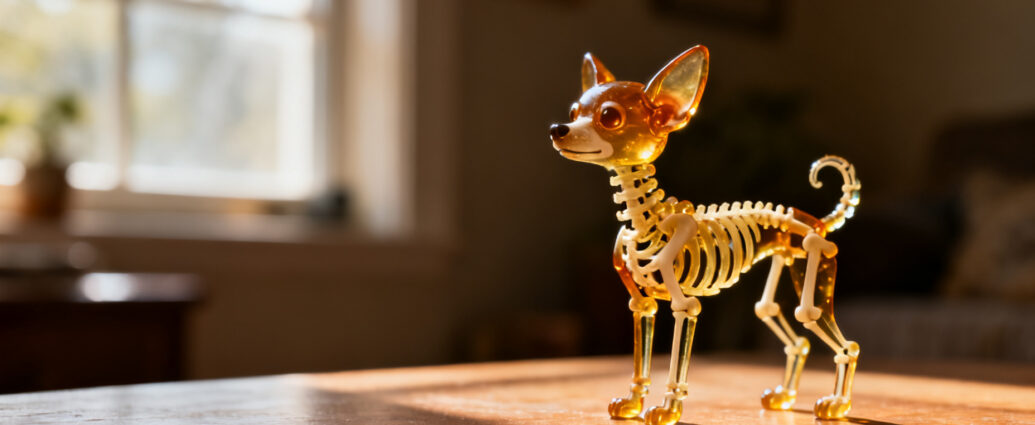
Chihuahuas live to be 15-20 years old most of the time. That’s amazing when you think about it! Dogs that are twice their size often don’t even make it past 10 years. Here’s the really cool part: Chihuahuas live so long partly BECAUSE they’re so small, not even though they’re tiny.
The Chihuahua breed is really, really old. We’re talking hundreds and hundreds of years. Way back then, before your great-great-great-grandparents were even born, Chihuahuas already looked pretty much like they do now. This matters a whole lot more than you might guess.
Back in the 1800s, dog breeders in England and other places were creating new breeds. They wanted Bulldogs with super flat faces. They bred German Shepherds to have sloping backs that look cool but cause terrible back problems. They changed dogs to look a certain way without thinking about whether those dogs would be healthy. But Chihuahuas? They were already… finished. Done. Perfect as-is.
Why Being Small Helps Chihuahuas Live Longer:
• Their cells age more slowly than big dogs
• They get cancer less often (this is true for most small animals)
• Their hearts and joints don’t wear out as fast
• They avoided all that crazy breeding that messed up other dogs
But here’s the weird thing – the paradox. Chihuahuas look like they’d break if you sneezed near them. They seem super delicate. Yet inside, their genes are incredibly strong and healthy. Picture a Bernese Mountain Dog owner whose sweet giant dog only lives to be 7 or 8 years old. That owner would be jealous of how tough Chihuahuas really are on the inside.
What Chihuahuas Don’t Get: The Diseases Conspicuously Absent
Let’s start with their hearts. Chihuahuas don’t get heart problems nearly as much as other breeds. Cavalier King Charles Spaniels and Dobermans? More than half of them have serious heart valve disease by the time they’re 10 years old. That’s heartbreaking for their families. Your Chihuahua’s heart beats super fast – like a tiny hummingbird – but it’s built right. It works the way it’s supposed to.
Diabetes, seizures, and blood clotting problems are pretty common in Beagles, German Shepherds, and Dobermans. But Chihuahuas? These diseases are really rare. Their genes just don’t carry these problems very much. You don’t have to spend years worrying and waiting for something terrible to happen, the way owners of those other breeds often do.
Hip dysplasia is a horrible problem that affects tons of big dogs. But when you only weigh 6 pounds, your hips are basically fine. It’s just physics. Imagine the pressure on a Golden Retriever’s hip joints when that dog weighs 70 pounds and loves to run and jump. That pressure can cripple them by age 7. But your Chihuahua’s whole body weighs less than a gallon of milk! There’s just not enough weight to damage those tiny joints.
Chihuahuas also have pretty diverse genes compared to some breeds. This means they get fewer autoimmune diseases and inherited cancers. Imagine a dog breed that came from only twelve champion dogs back in the 1950s. Every single dog in that breed today is related to those twelve dogs. That’s called a genetic bottleneck, and it causes all kinds of health nightmares for generations. Chihuahuas didn’t go through that nightmare.
The Real Health Risks: Accidents, Not Disease
Here’s something that might surprise you. The number one reason Chihuahuas die early isn’t disease. It’s accidents. They get stepped on, dropped, or hurt by their own humans who love them.
Picture this: You’re stumbling to the kitchen at 6 in the morning to make coffee. You’re half asleep. Your 5-pound Chihuahua positions herself exactly where your foot is about to land. She wants to be near you SO badly that she follows you everywhere. This loyalty is sweet, but it’s actually more dangerous than any disease she might get.
You start walking differently when you own a Chihuahua. You shuffle your feet. You look down before every step. When it’s dark, you move super carefully. You warn visitors before they stand up from the couch: “Wait! Check for the dog first!” It becomes a whole new way of moving through your own house.
Real Dangers for Chihuahuas:
• Getting stepped on by their own family
• Hawk attacks (yes, really – hawks think small dogs are prey)
• Coyotes in areas where they live
• Big dogs with strong hunting instincts
• Falling from furniture or someone’s arms
These falls happen so fast. Your Chihuahua gets startled and jumps from your lap. She misjudges a leap from the back of the couch. One second everything’s fine, the next second she’s hurt. You can be really careful and manage these risks, but you can’t make them go away completely unless you keep your dog in a protective bubble (which nobody does).
The most common actual health problem? Bad teeth. But here’s the good news: you can prevent it and manage it. It’s not some genetic time bomb that’s going to explode. Regular tooth brushing, dental chews, and professional cleanings at the vet keep teeth healthy. It’s maintenance, like changing the oil in your car. Not fun, but totally doable.
The Genetics: Why Chihuahuas Won the Lottery
Because Chihuahuas are such an ancient breed, they missed out on the crazy breeding experiments of the 1800s and 1900s. During those years, European kennel clubs created breed standards that cared more about looks than health. They wanted flatter faces! Longer backs! More wrinkles! Meanwhile, Chihuahuas were already established with a body shape that actually worked well.
Their body structure is still pretty close to what a natural, healthy dog should look like. They don’t have extremely flat faces that make them unable to breathe properly. They don’t have super long spines that slip discs and cause paralysis. They’re not giant-sized, which would stress their hearts and joints until everything breaks down early. If you showed a Chihuahua to a wolf, that wolf would recognize it as a dog – just a really, really small one.
The fact that Chihuahuas are popular has actually helped them stay healthy. Thousands of breeders across the whole world breed Chihuahuas. This keeps the gene pool big and diverse. That’s good! Now imagine a super rare breed where every single dog alive today came from the same three dogs. That’s where genetic disasters hide and multiply.
Good breeders can test for the few health problems Chihuahuas do sometimes have. Kneecaps that slip out of place (called patellar luxation) and water on the brain (hydrocephalus in the extreme apple-head Chihuahuas) can be managed by making smart breeding choices. But the basic genetic health is already so solid that breeders aren’t constantly fighting against the breed standard itself. They’re not trying to create a healthy dog while also making the face flatter and flatter each generation, which is the nightmare situation for Bulldog breeders.
What This Means for Your Chihuahua’s Two Decades With You
Get ready for a 15-20 year relationship from the very first day. That tiny puppy you bring home at 8 weeks old might still be bossing you around when your whole life looks completely different. Picture this: you might change jobs three times, move to two different cities, get married, have kids, and your Chihuahua will be there for ALL of it. She’ll be judging your life choices from her heated dog bed the entire time.
Your main job isn’t dealing with constant disease. It’s preventing accidents and taking care of her teeth. This is totally different from owning a Bulldog who needs multiple throat surgeries just to breathe, or a Great Dane whose heart is a medical emergency waiting to happen.
What to Expect Over 20 Years:
| Cost Type | What You’ll Pay For | What You WON’T Pay For |
|---|---|---|
| Routine Care | Annual checkups, shots, dental cleanings | Emergency heart surgery (imagine eight thousand dollars) |
| Occasional Problems | Injuries from jumping or falling | Cancer treatment (picture twelve thousand dollars or more) |
| Prevention | Tooth brushing supplies, good food | Constant medication for genetic diseases |
Your vet bills will be normal stuff: yearly exams, vaccinations, getting teeth cleaned, maybe treating an injury from a bad jump. Not cheap – vet care never is – but not the catastrophic costs that owners of unhealthy breeds face all the time.
Remember those traits that make your Chihuahua follow you from room to room for 18 years? Those same traits make her vulnerable to the one thing that usually cuts her life short. That loyalty, that attachment, that intense focus on YOU – it puts her exactly where you are, exactly when you’re moving. You have to learn to live with constant awareness of a small body in your space.
It becomes automatic after a while, this careful dance of human and dog sharing the same house. You develop new habits. You pause before you move. You announce when you’re standing up. You never, ever walk backward without looking. Some people think it’s annoying, but most Chihuahua owners will tell you it just becomes part of life. A small price to pay for two decades with your little shadow.
Conclusion
Chihuahuas’ amazing 15-20 year lifespan is a real genetic advantage. They’re not just lucky – they’re actually built to last in ways that many breeds created in the last 150 years simply aren’t. Their bodies work right because nobody messed them up trying to make them look a certain way.
Your biggest job isn’t managing a sick dog getting sicker and sicker. It’s protecting a healthy dog from accidents she doesn’t see coming. You get to enjoy a relationship that can last two full decades. Think about that. Twenty years!
That’s both a gift and a responsibility. You get way more years than most dog owners get. But you have to stay alert and careful for all of them. Watch where you step. Mind the gaps. Keep that hawk-eyed attention that matches their own intense focus on you. They’ll be around long enough to make all that effort totally worth it.