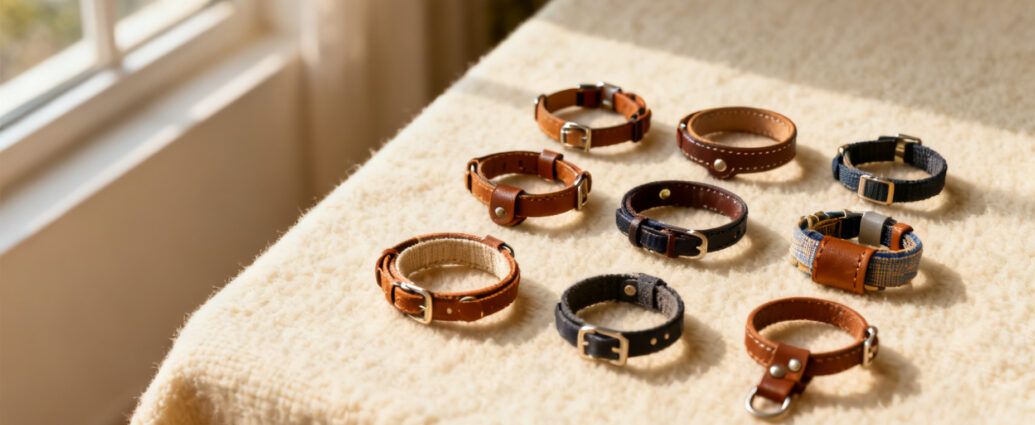
Here’s what you need to know about what goes around your Yorkie puppy’s neck: vets almost always say harnesses are better for daily walks. Yorkies and other tiny dogs can get something called tracheal collapse, which means their windpipe gets damaged. A harness spreads pressure across your puppy’s chest instead of squeezing their throat. That’s not just a nice idea – it’s really important! But collars still have a job to do for ID tags, and different times call for different gear.
Your puppy grows and changes way faster than you might think. What works when your Yorkie is 10 weeks old is totally different from what you’ll need at 6 months:
• At 10 weeks: You need soft, stretchy material that adjusts easily and goes on and off super fast for a wiggly two-pound fluffball who’s never worn anything before
• At 6 months: Your Yorkie is confident, bigger, and ready for real walks with stronger harnesses that have better clips and buckles
Why buying “just one good harness” doesn’t work: training walks need different features than vet visits. Quick potty breaks outside need faster gear than a fancy trip to the park for photos. You’re not overthinking this at all! You’re just picking the right tool for each job, like choosing sneakers for gym class but dress shoes for a wedding.
The First-Harness Category: What to Reach for at 8-12 Weeks
The Puppia Soft Vest Harness is super popular with Yorkie owners for good reasons. It actually fits a tiny 2.5-pound puppy without leaving big gaps around the chest. The step-in style really matters when you’re working with a nervous puppy who’s never worn anything before. You put it on the floor, help those teeny paws step into the openings, then buckle it on their back – no scary pulling over their head, no wrestling their face through loops.
Some puppies are little escape artists who can back right out of regular harnesses. If that sounds like your Yorkie, the Rabbitgoo Escape-Proof harness has a special chest strap that gently tightens when your dog pulls backward. It stops that sneaky slip-and-run move that regular harnesses let happen. Not every Yorkie needs this fancy feature. But if yours has already escaped from a normal vest during the first week home, you definitely know who you are!
How to Get the Size Right:
Measure around the widest part of your puppy’s chest (right behind the front legs). Add enough room to slip two fingers underneath. Then try the lift test – gently pick up your puppy by the harness. If the harness slides more than half an inch or your puppy’s front legs start coming out of the holes, it’s too loose. If it doesn’t move at all and your puppy looks squished, it’s too tight. You’re looking for snug-but-comfortable, which is trickier than most websites tell you.
Real Talk from Yorkie Owners: I’ve watched so many new puppy parents struggle with this first harness fitting. Your puppy will probably wiggle, maybe even yelp a little because it feels weird at first. That’s totally normal! Stay calm, use treats, and remember that this gets easier every single day. By week two, most Yorkies step right into their harness like it’s no big deal.
The ID Collar Essential (Yes, Even for Harness-Only Walkers)
A lightweight breakaway collar with ID tags should stay on your Yorkie all day and night, even if you never attach a leash to it. The numbers about lost dogs make this really important: most Yorkies who slip out a door or squeeze through a fence gap get found within hours if they’re wearing tags you can see. Without tags, finding them takes way, way longer. Microchips are great, but someone needs a special scanner and has to take your dog to a vet or shelter. A phone number on a collar means your neighbor can just call you right away.
Brands like Lupine make skinny (3/8-inch) collars that adjust to fit a Yorkie’s 6-8 inch neck without looking huge and bulky. You don’t need heavy-duty walking clips here – you just need a light band that holds a tag and breaks open if it gets caught on something (like a fence or crate).
Picking the Right Tag:
Embroidered collars (where your phone number is sewn right into the fabric) don’t make that jingling noise that hanging tags make. This matters if your Yorkie is a light sleeper, or if you are! But hanging tags are easier to change when you move or get a new phone number. Either way, put two phone numbers on there instead of your dog’s name. You want whoever finds your dog to call you, not stand on the sidewalk yelling “Bella” and hoping your scared puppy comes running to a stranger.
Transition & Training Gear: 4-8 Month Upgrades
The PoyPet No-Pull harness with a front-clip option becomes really useful when your Yorkie hits that confident phase and starts pulling toward every dog you pass. Front-clip design changes the physics – when your dog pulls, it turns them to the side instead of letting them drag you forward. It’s not magic, and you still have to teach good walking, but the way it’s built really helps.
Best Pet Supplies Voyager is the next step up when your Yorkie is ready for longer walks. Imagine a 6-month-old Yorkie ready for 20-minute walks around the neighborhood instead of just 5-minute potty trips. The fabric is thicker, the chest part has padding, and the clips are stronger. It weighs more than the Puppia, but your dog weighs more now too!
When to Keep Using Your Original Harness:
If your Yorkie stays under 4 pounds or still gets nervous about changing gear, stick with what works! Some dogs never need an upgrade. The Puppia Soft Vest works great for grown-up Yorkies who stay tiny, and there’s no award for switching to heavier equipment if the lightweight one still fits perfectly and does its job.
Around here in Yorkie-loving neighborhoods, you’ll see plenty of full-grown adults still rocking their puppy harnesses. If it ain’t broke, don’t fix it!
Hybrid & Specialty Options for Specific Situations
The collar-harness hybrid – styles like the Embark Adventure Collar – fixes a specific problem for Yorkies who need visible ID but harness-only walking. It’s a wide, padded collar with a clip on the back that’s designed more like a harness. Does this actually work better? For some dogs, yes. For others, it’s just extra bulk that doesn’t work better than a simple ID collar plus a regular harness. You have to decide based on how sensitive your dog’s neck is and whether you mind keeping track of two pieces of gear.
Important Safety Note:
Soft mesh car harnesses that click into seatbelt buckles are NOT the same as walking harnesses! Your walking harness shouldn’t be used as crash-tested travel gear. The force from a car accident is completely different from the force from a leash pull. Look for CORA or similar certifications that show actual crash testing happened, and understand you’re buying separate equipment for the car.
The fancy harness truth: velvet harnesses with bows or cute patterns from brands like Susan Lanci can be just as safe as plain mesh ones if they’re built right. When pretty and safe come together, you’re looking at a harness that spreads pressure across the chest, adjusts at both the neck and around the body, and buckles securely. The bow is just decoration. The engineering underneath is the important part.
Picture a Yorkie strutting down Main Street in a velvet harness with rhinestones – looking like a million bucks but still completely safe because the structure underneath is solid. That’s the dream!
The Fitting, Rotation & Maintenance System That Actually Works
The three-harness minimum for real life:
- One in the washing machine
- One your dog is wearing right now
- One backup for when you inevitably leave one at the groomer or at Grandma’s house
You’re not being extra. You’re being smart!
When to Check the Fit:
Re-measure your puppy every two weeks until they’re 6 months old, then once a month until they’re full grown. Yorkies reach about 90% of their adult size by 9-10 months, but that last 10% sneaks up on you. A harness that fit perfectly in July might be slightly too tight by September, and you won’t notice until you see red marks on their skin or your dog starts fighting you about putting it on.
How to Wash Harnesses:
Hand-wash in baby shampoo and let them air-dry. The dryer disaster is real – it shrinks the straps and melts the plastic clips, and buying a replacement costs way more than five minutes at the sink. If your Yorkie’s harness smells like dog, it’s time to wash it. If it smells like wet dog, it’s way overdue!
| Washing Do’s | Washing Don’ts |
|---|---|
| Use baby shampoo or gentle soap | Never use the dryer |
| Scrub gently with your hands | Don’t use bleach |
| Air-dry on a towel | Don’t wring it out hard |
| Wash every 2-3 weeks | Don’t forget to check for fraying |
What Didn’t Make the List (and Why)
Regular collars for leash-walking don’t match what vets say about protecting your Yorkie’s throat. Saying “just for short walks” doesn’t make it safer for a 3-pound dog whose windpipe is as thin as a drinking straw. The danger isn’t just a theory – it’s real, it happens a lot, and you can avoid it.
Retractable leashes with collars create a physics problem: sudden stops put all the force on your tiny dog’s neck in the split-second before you press the brake button. Even if you’re super careful, the way it’s designed works against you. Imagine your Yorkie running full speed, seeing a squirrel, and hitting the end of that leash – all that stopping force goes straight to their delicate throat. Not worth the risk!
One-size-fits-most claims fail Yorkie puppies because toy breeds need gear made specifically for really small dogs. The size gaps are real: a collar made to fit a 10-pound terrier will swallow a 3-pound Yorkie whole, and the adjustable part often doesn’t go small enough. You’re not being picky or difficult. The product literally isn’t designed for your dog.
Honest Opinion: The pet store employee might tell you “this small collar will work fine” but they’re probably thinking about dogs twice your Yorkie’s size. Trust your eyes – if it looks huge on your puppy, it IS huge. Don’t let anyone convince you otherwise. We Yorkie owners have to be specific about sizing because our dogs are just built different!