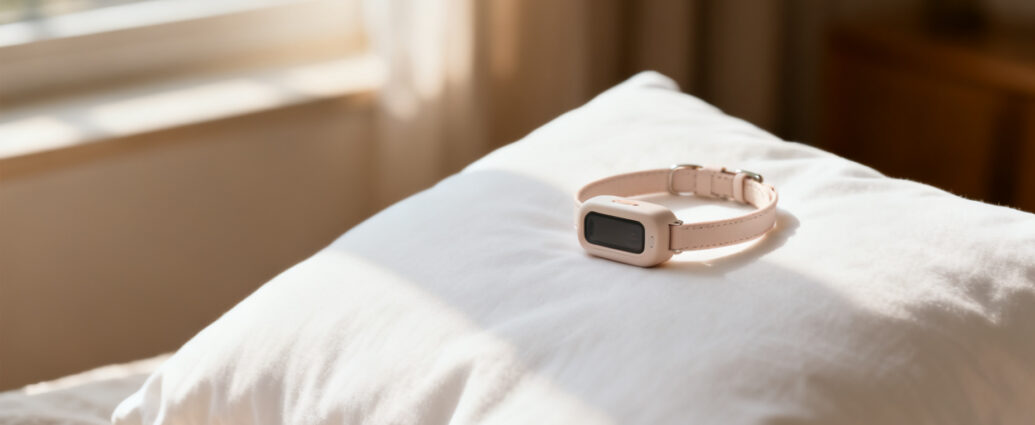
Measuring Your Small Dog’s Neck (And Why the Fit Is Different)
Grab a soft tape measure – you know, the bendy kind your mum uses for sewing, not the metal one from dad’s toolbox. You want it snug against your dog’s fur, but here’s the tricky bit: most people say leave room for two fingers underneath. That’s actually too loose for tiny dogs like Yorkies and Chihuahuas! Try 1.5 fingers instead.
Why so fussy? Well, small dogs have really delicate windpipes. Older Yorkies and Chihuahuas often have windpipes that are a bit squashed already, and a collar with too much wiggle room can really bother them. Put the tape measure at the widest part of the neck, right above the shoulders where the collar naturally sits.
Now let’s talk about weight. A GPS tracker that weighs more than 10% of your dog’s body weight will mess up how they walk and stand. Picture a 6-pound Yorkie wearing a 0.7-ounce tracker versus a 1.5-ounce one – imagine that! The heavier one changes everything. Their head droops, their steps get tiny and choppy, and they lean forward like they’re walking into a strong wind.
Different breeds have their own quirks:
• Chihuahuas with those round apple-shaped heads need breakaway or buckle collars that won’t slip right off when they panic and back up
• Pomeranians have that gorgeous fluffy neck ruff that hides the tracker beautifully – but all that fur also traps heat against the device like a little oven
• Your dog’s neck might look perfectly fine on the outside, but the skin underneath could be getting way too hot
Here’s the collar width rule for necks under 12 inches: anything over 5/8 inch wide will be stiff and uncomfortable. It’ll fold up on itself when your dog turns their head. Too narrow – under 3/8 inch – and the tracker weight won’t spread out properly. The sweet spot is right in the middle, though you won’t find as many choices as you’d like at the pet shop.
Balancing and Positioning the Tracker So It Doesn’t Tip or Slide
Put the tracker at the back of the neck, smack in the middle. Not on the side. Not at the front. Trust me on this one! When it sits anywhere else, it spins around the second your dog moves their head. Then you’re chasing a tracker that’s ended up under their chin or behind their ear – proper annoying!
Some collars let you thread the strap through the tracker box twice, which locks it in place better. Others have special loops where you can clip a small ID tag on the opposite side. This stops the device from tipping over from its own weight. It’s a bit fiddly to set up, but it really works.
Test the fit whilst your dog is moving around. Have them:
• Walk normally
• Give a good shake
• Do a play-bow
If the tracker slides to the side or front within 30 seconds, it’s too loose or you’ve attached it wrong. You need to fix this before you trust it when your dog actually escapes.
Watch out for signs the weight isn’t balanced right. Your dog might tilt their head to one side. They might scratch at the collar constantly. They might walk with a bit of a hunch. Imagine a 7-pound Maltese leaning forward to balance out a front-heavy tracker – picture that little dog looking like they’re forever walking into a headwind. That’s not right!
Pairing the Device and Setting Up Your First Safe Zone
Charge it fully before you use it the first time. Most GPS trackers need 2-3 hours, and you’ll need to connect it by Bluetooth within 10 feet of your phone. Do this before putting it on your dog! Trying to tap through app screens whilst wrestling with a wiggly Pom is frustrating for everyone.
Make a home safe zone with a realistic size. For small dogs who don’t wander far, 50-100 feet makes sense. Too tight – under 30 feet – and you’ll get false alarms every time they’re in the garden sniffing the fence. Too wide and they could be three streets over before you even get a notification.
Change the alert settings for tiny breeds. Many trackers are set up thinking about bigger dogs. A 5-pound Chihuahua’s “escape” speed is way slower than a Labrador’s. You might need to lower the speed alert to 3-5 mph instead of 10 mph. Otherwise, their determined little trot toward a squirrel won’t seem important enough to mention.
Test how accurate the GPS is in your exact location. Walk around the edge of your property with the tracker on your dog – or in your hand if they’re not ready yet – to see where the signal drops out or gets delayed. Metal roofs, thick hedges, and neighboring buildings all create dead spots. Better to know this now than during a real emergency!
Comfort Checks for Toy Breeds (Before and After Wear)
The 20-minute first wear test is super important – don’t skip it! Put the collar on for a short time indoors whilst you watch them. Look for too much scratching, freezing in place, or trying to back out of the collar. These are all signs it’s too heavy or tight, and your dog will tell you straight away if you’re paying attention.
After the first few times wearing it, check for sore spots and rubbing. Run your fingers under the collar to feel for damp spots, redness, or thin patches in the fur, especially where the tracker sits.
Common trouble spots:
• Behind the ears
• At the back of the neck
The device creates pressure in one spot, and toy breed skin is really thin and delicate.
Watch breathing and walking changes closely. Toy breeds with windpipe problems – really common in Yorkies and Chihuahuas – might cough, gag, or breathe harder if the collar is even a tiny bit too tight. Take it off immediately if you hear wheezing. This isn’t something to ignore or hope gets better with time.
Know when to take the tracker off completely. Not for sleeping. Not for rough play with other dogs. Not any time your dog is alone in a crate, where the tracker can catch on the crate bars or bedding. GPS collars are for supervised outdoor time and walks, not wearing all day and night.
Running a Controlled ‘Escape’ Test in Your Garden
Set up the test properly. Have someone hold your dog at the far end of the garden whilst you wait by your phone. Then let them go and watch how quickly the alert pops up and how accurately the app shows where they are. This is the only way to know if the system actually works before you really need it.
For small dogs, realistic tracking means a 10-30 second delay between when they move and when you get the alert. It’s not instant! The location will be accurate within 10-30 feet depending on the GPS signal – that’s normal. If your 8-pound Westie shows up as being two gardens over, the device isn’t precise enough for such a small dog. They don’t roam far enough to make up for that kind of mistake.
Test the “lost dog” mode or beeping sound. Turn on the tracker’s sound or light feature to see if you can actually hear or see it from 20-30 feet away in daylight. Imagine your Pomeranian wedged under a hedge at dusk – picture that scene! Will you find them? If the beep is too quiet or the light too dim, you’re relying completely on GPS accuracy, which we already know has limits.
Change settings based on what happens. If alerts come too slowly, check for updates or switch to a tracker with mobile phone signal backup. If your dog seems stressed by the test – panting, hiding, refusing treats – take a break and try again in a few days rather than forcing it. A terrified dog won’t wear the collar willingly, and you’ll be back where you started.
Ongoing Maintenance and When to Reassess the Fit
Check the fit every week as your dog’s coat grows or sheds. Pomeranians and long-haired Chihuahuas can gain or lose a surprising amount of fluff with the seasons. A collar that fit perfectly in summer might be too loose by winter when their thick undercoat grows in, or too tight in spring when they shed and suddenly have half the neck size.
Battery life facts for small-dog trackers: lightweight trackers often have smaller batteries. You’re looking at 3-5 days versus 7-10 for bigger models. Set a charging reminder or you’ll discover it’s dead exactly when you need it! Monday and Thursday works well, or whatever days suit your family – just make it automatic so you don’t forget.
Get a new one when things change. If your dog has gained or lost more than a pound, the weight balance has shifted enough to matter. If you’ve dropped the tracker or it got more wet than it’s supposed to handle, there might be damage inside that won’t show up until the GPS fails mid-walk. If you keep getting false alerts that won’t stop no matter what settings you change, the tracker is either broken or genuinely wrong for your dog’s size and how they move. Don’t keep fussing with a tool that isn’t working. Find one that does!