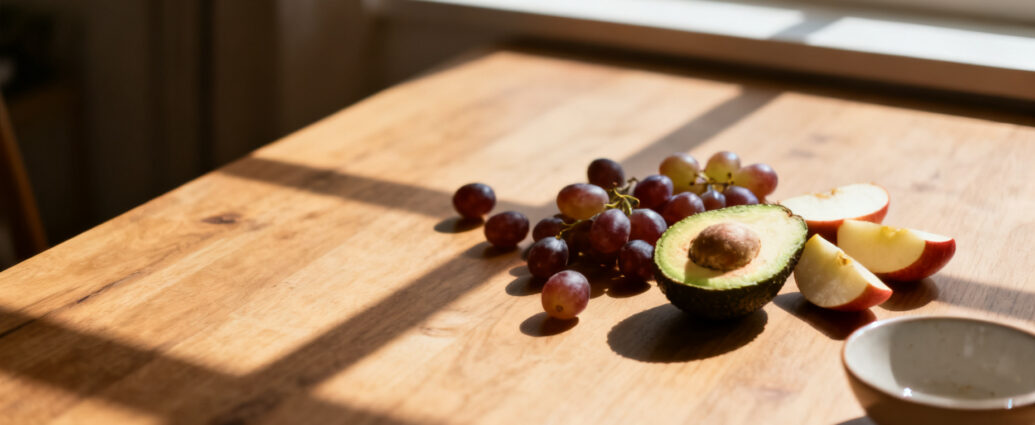
Why Fruit Toxicity Hits Small Dogs Harder
Your five-pound Chihuahua isn’t just a tiny Golden Retriever. This is super important when we talk about fruit that can poison dogs.
How much your dog weighs decides how poison spreads through their body. Something that just gives a sixty-pound dog an upset tummy can shut down the organs of a six-pound Yorkie who ate the same thing. The math is simple but scary: less body weight means more poison for each pound, faster movement to important organs like the heart and kidneys, and way less room for mistakes before things get really bad.
Most fruit poisons work based on how much gets eaten. When someone says “just a bite,” that sounds harmless – until you remember your dog weighs less than a bag of flour from the grocery store! What seems like a tiny snack to us can be a huge dose for a toy breed. Picture this: three grapes might not bother a Labrador at all. But for a Pomeranian? That’s a real emergency that needs a vet right away.
Toy breeds have special body problems that make these risks even worse:
• Their hearts beat faster when resting, so poison moves through their body quicker
• Their organs are smaller – especially the liver and kidneys – so they can’t clean out bad stuff as well
• They have less body to spread the poison out before it gets dangerous
The time between “ate something bad” and “showing scary symptoms” happens way faster when your dog can fit in a shopping bag.
Critical Tier: Grapes and Raisins (Immediate Kidney Failure Risk)
Grapes and raisins are the most dangerous for one big reason: they can cause sudden kidney damage that turns into complete kidney failure. And here’s the weird part – we still don’t totally understand why.
Scientists don’t know exactly how it works, but we know what happens. Even two or three grapes can make a seven-pound Yorkie’s kidneys fail within twelve to twenty-four hours. The poison – whatever it really is – hurts the tiny tubes in the kidneys where blood gets cleaned. Once that damage starts, it can quickly get worse until the kidneys stop working completely.
Early warning signs in small dogs:
• Tiredness that seems way too extreme for what they ate
• Throwing up in the first few hours
• Peeing less than normal (or not at all)
These problems happen faster in toy breeds because their kidneys don’t have backup power. A bigger dog might get slowly sicker over several days. Your Maltese might only have hours.
The scariest part? You can never predict what will happen. Some dogs eat grapes and seem fine, while others get kidney failure from just one raisin. It changes between different types of grapes, where they were grown, and for reasons nobody really gets. This means you can’t safely test if your dog can handle grapes. Every single time they eat one, it’s a real emergency.
If your small dog eats grapes or raisins, call your vet within two hours. Have this information ready: how much your dog weighs right now, exactly what they ate (grapes or raisins, about how many), and what time it happened. Time really, really matters here. Treatment works best in the first few hours, before the kidneys start failing.
Around here in our neighborhoods, I’ve seen too many panicked pet owners rush into the vet clinic because their Yorkie got into the kids’ lunchbox and found raisins. It’s honestly terrifying how fast things can go wrong.
High Risk: Cherries (Cyanide in Pits, Stems, and Leaves)
Cherries have cyanide compounds in their pits, stems, and leaves. This isn’t just a tiny bit – it’s enough to poison a small dog.
Imagine this: a single cherry pit can be dangerous for a six-pound Pomeranian because cyanide poisoning is all about how much they get compared to their size. The amount that would just upset a bigger dog’s stomach can mess up how cells use oxygen in a toy breed. Cyanide stops cells from grabbing oxygen from the blood, basically causing the body to suffocate from the inside.
The choking danger is just as bad as the poison. Cherry pits can get stuck in small throats. They can block digestive systems that are built for kibble, not hard stones. A pit that would easily pass through a Beagle can get stuck in a Chihuahua’s intestines and need surgery to remove.
Cyanide poisoning symptoms show up fast and look specific:
• Bright red gums (from oxygen-filled blood that cells can’t use)
• Pupils that look huge
• Trouble breathing
• Drooling a lot
The timing is quick – symptoms can show up within fifteen to thirty minutes after eating the pit. If you see these signs, you need to get to the emergency vet immediately.
Cherry flesh by itself is less dangerous but still not great. The sugar can upset their stomach, and “less dangerous” doesn’t mean “safe.” The real problem is when your dog can reach whole cherries and might swallow pits along with the fruit before you notice.
High Risk: Avocado (Persin Toxicity and Fat Content)
Avocados have a poison called persin that kills fungus. It’s mostly in the pit, skin, and leaves, but it’s also in the green flesh. Small dogs are extra sensitive to what it does to their heart and stomach.
Persin usually causes throwing up and diarrhea, but if they eat a lot, fluid can build up around the heart – a problem called pericardial effusion that’s super dangerous in dogs with small hearts. Picture this: your Westie’s heart is about the size of a walnut. It doesn’t take much extra fluid to cause big problems.
The high fat creates another risk: pancreatitis. This is when the pancreas gets inflamed, and it’s especially bad for breeds that already get this easily, like Miniature Schnauzers. The pancreas in a small dog is tiny and can’t handle a sudden blast of fat. Pancreatitis symptoms include really bad stomach pain, throwing up over and over, and extreme tiredness – and it can become deadly fast.
Watch for throwing up and diarrhea as early signs, usually showing up within six to twelve hours. In bad cases, you might see hard breathing or weakness, which means the heart is involved.
The pit has its own blocking problem. It’s big, hard, and smooth – exactly the wrong shape for a small dog to safely poop out if they swallow it whole. Imagine a golf ball trying to go through a garden hose and you’ll understand the problem.
Living here where avocado toast is everywhere, it’s easy to forget how dangerous these are for our little pups. I always tell people at the dog park to be super careful during weekend brunch!
Moderate Risk: Citrus Fruits (Citric Acid and Essential Oils)
Citrus fruits cause bigger problems in small dogs than big ones, mostly because of citric acid and essential oils that are concentrated in the peels and the white part.
The citric acid irritates the stomach lining and intestines. Small dogs have smaller stomachs and more sensitive digestive systems, so what causes a little upset in a bigger dog can trigger non-stop throwing up and diarrhea in a toy breed. The essential oils – limonene and linalool – are the bigger worry. These chemicals can slow down the central nervous system if they eat a lot.
“A lot” depends on the dog’s size. For a four-pound Chihuahua, half a lemon is a massive dose of essential oils. For a Labrador, it’s barely anything. The difference between flesh and peel really matters here. A lick of orange flesh might just make them wrinkle their nose. Eating a big piece of lemon peel could cause throwing up, diarrhea, drooling, and in serious cases, weakness or shaking.
Symptoms to watch for:
• Drooling way more than normal
• Throwing up
• Diarrhea
• Acting strange, like being depressed or not liking light
These usually show up within two to six hours of eating citrus.
Here’s practical advice: a lick of orange is really different from eating half a lemon. Small tastes of flesh probably won’t cause serious problems. The real danger is when they can reach peels, whole fruits, or concentrated citrus (like essential oils or cleaning products).
Moderate Risk: Stone Fruits (Apricots, Plums, Peaches)
Stone fruits have the same cyanide risk as cherries – the pits, stems, and leaves have toxic stuff – but with bigger pits that can seriously block up small-breed digestive systems.
An apricot pit is about the size of a large marble. Imagine that trying to travel through the intestines of a seven-pound dog. It’s not going anywhere – it’s getting stuck somewhere, probably needing surgery to remove. Peach and plum pits are even bigger. The blocking danger is often worse than the poison risk simply because the pit is physically too big to pass through.
Dried versions of these fruits make things worse. The sugars are more concentrated, making them tastier to dogs. And if your dog eats several dried apricots, they might eat multiple pits before you notice. The cyanide compounds don’t go away when the fruit dries.
The timing depends on what’s happening. Cyanide symptoms show up within fifteen to thirty minutes: bright red gums, trouble breathing, huge pupils. Blocking symptoms take longer – hours to days – and include throwing up, not wanting to eat, stomach pain, and straining to poop.
The flesh is usually safe in small amounts. The danger happens when your dog can reach whole fruit and might bite through to the pit, or even worse, swallow it whole. Imagine a bowl of apricots left on a low coffee table – that’s a real danger for a curious Yorkie.
Lower Risk but Still Problematic: Tomatoes (Unripe) and Wild Berries
Unripe tomatoes and the green parts of tomato plants have solanine, a chemical that causes stomach upset, weakness, and confusion. These symptoms show up faster in small dogs because of – you know the pattern by now – body weight and how fast their body works.
Ripe tomato flesh is usually safe. The risk is in your garden, not your salad. If you grow tomatoes and your small dog can get to the plants, they can reach unripe fruits and chew on stems and leaves. Solanine poisoning symptoms include drooling, not wanting to eat, throwing up, diarrhea, and in worse cases, weakness or confusion. Picture a tired Pomeranian who seems lost and confused – that’s what you’re looking for.
Wild berries are a different problem: you can’t reliably tell which ones they are, many are poisonous, and small dogs need less to cause problems. Unless you’re a plant scientist with field experience, you probably can’t tell safe berries from toxic ones. Your dog definitely can’t.
The practical advice is simple. If you didn’t buy it at a grocery store and check that it’s safe for dogs, keep your small dog away from it. This includes berries on hiking trails, plants in unfamiliar yards, and anything growing wild in your own yard that you haven’t specifically identified. The risk isn’t worth it when your dog weighs six pounds.
What to Do If Your Small Dog Eats Dangerous Fruit
Start by gathering information. Write down exactly what was eaten, about how much, and when it happened. Get your dog’s current weight -“small” isn’t specific enough for a vet who’s calculating treatment doses. Write this down right away, because you’ll need it.
When to call depends on what was eaten:
| What They Ate | When to Call |
|---|---|
| Grapes or raisins | Call immediately, even if it’s one grape |
| Cherry pits or other stone fruit pits | Call immediately |
| Avocado | Call within the hour |
| Citrus flesh | Watch closely and call if symptoms appear |
| Unripe tomato or unknown wild berries | Call for guidance |
Time windows really matter with kidney poisons and cyanide compounds.
Never make your dog throw up without asking the vet first. This is super important with blocking risks – making a dog vomit up a cherry pit can cause more damage than waiting for vet treatment. If more than two hours have passed since they ate it, making them vomit becomes less helpful and potentially more dangerous. Let the professionals decide this.
Symptoms that mean “emergency vet right now” for small dogs:
• Trouble breathing
• Bright red or pale gums
• Weakness or collapsing
• Throwing up over and over
• Huge pupils
• Shaking or seizures
These show that poison is spreading through their system fast.
“Call and monitor” symptoms include throwing up or diarrhea once, mild tiredness, or eating less without other scary signs. Call your vet, tell them what happened, and follow their watching instructions exactly. Small dogs can get worse quickly, so “wait and see” means actively watching, not just hoping for the best.
Keep your vet’s number and the nearest emergency vet clinic’s number somewhere easy to find. When your Chihuahua has eaten something questionable, you don’t want to be searching Google for contact information while symptoms develop. Honestly, I keep both numbers in my phone favorites and on a magnet on my fridge – you just never know when you’ll need them in a panic.