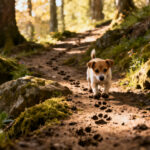
Here’s the thing about Chihuahuas and Yorkies – their bladders are seriously small. We’re talking about the size of a walnut! They just can’t hold their pee for 6-8 hours like a big Lab can. This is super important to know if you have:
• Puppies younger than 6 months old
• Senior dogs older than 10 years
• Any toy breed under 10 pounds
Small dogs are built differently than big dogs. Their bodies work faster – they burn through food and water quicker because of their tiny size. It’s basic science! Think about it like this: a tiny engine burns fuel faster than a big one. So these little guys need bathroom breaks way more often. It’s not that they’re being bad or stubborn. Their bodies just work differently.
Weather Alert! Dogs under 10 pounds can actually get really sick from extreme temperatures. Picture a fluffy Pomeranian shivering outside when it’s 20°F, or imagine an older Westie panting hard in 95°F heat. They’re not being wimpy – they could actually get hypothermia or heatstroke! Their little bodies can’t control temperature like a 60-pound dog can.
Here’s something important: that “just hold it longer” training that works great for medium and big dogs? It can actually make small dogs sick. I’m talking about painful bladder infections and accidents caused by stress and fear. You’re not helping your Yorkie by making them wait too long. You’re actually setting up a problem that gets harder and harder to fix the longer it goes on. Their bodies just aren’t made for those long waits between bathroom breaks.
The Urban Reality: Elevators Are Not Your Friend at 3 AM
Let me paint you a picture. Imagine someone living on the 14th floor with a 7-year-old Yorkie who needs to go potty four times every night. That’s 56 trips up and down in the elevator every single week – and that’s just at nighttime! The daytime walks aren’t even counted yet. When you do the math, you can see why this doesn’t really work.
Think about everything you have to do: put on shoes, grab your coat, get the leash, wait for the elevator, go through the lobby, then finally get outside. That takes at least 8-12 minutes. But here’s the problem – a small dog who really needs to go can’t wait that long! They start doing the potty dance in your apartment, it gets worse in the hallway, and lots of times there’s an accident somewhere between your floor and the lobby. Not fun for anyone.
When accidents happen in apartment hallways, elevators, or lobbies, it creates real problems. Your neighbors get upset. The building manager notices. And if it happens on carpet you don’t own? That’s a nightmare to clean and you might have to pay for it. Everyone’s day gets worse – yours, your dog’s, and your neighbors’.
Here’s another problem nobody talks about: that 15-minute trip every time your dog needs to pee? Some dogs start drinking less water because they know what’s coming. But that’s actually worse than having accidents! Dogs who don’t drink enough water get dehydrated, which causes its own health problems. You haven’t solved anything – you’ve just traded one problem for another.
What Actually Works: The Indoor Setup That Respects Your Dog’s Size
Real grass patches work really well. You can get them in different sizes – like 16″x20″ or 24″x24″. You can also use good-quality fake grass that has holes for the pee to drain through. The important part? The texture and smell matter a lot to your dog! Dogs are wired to look for certain surfaces when they need to go. A flat pee pad on your kitchen floor doesn’t give them the same signals as something that feels and smells like the right spot.
Where You Put It Matters!
The best spots are:
• Away from food and water bowls
• In the same place every time
• Somewhere people don’t walk through a lot
• Near a balcony door or bathroom where the floor is tile (easier to clean!)
Dogs won’t use a potty spot that’s right in the middle of where they play or too close to where they eat. That’s just how they’re wired.
Spray bottles with special scents actually work because small dogs have really powerful noses – even stronger than big dogs in some ways! They follow their nose to find the right bathroom spot. Once they learn where it is, they’ll keep going back. You’re working with how their brain naturally works instead of fighting against it.
Different small breeds need different things. Chihuahuas like having walls nearby when they go – they feel safer that way. Yorkies need surfaces that aren’t slippery or they’ll refuse to use them. Pomeranians do better with patches that have a little raised edge so they can see exactly where the potty area starts and stops.
The Hybrid Approach: Why It’s Not Either/Or
Teaching your small dog to go both inside and outside gives everyone options. What if the weather is terrible? What if you’re sick? What if you have to work late? Having a backup plan isn’t giving up – it’s being smart about real life. You’re not locked into one way that might not work when things get complicated.
Use different words for different places. Say “go potty” for the indoor patch and “outside” for walks. Dogs are smart! They can learn that different words mean different things. They’re not going to get confused and have some kind of breakdown about it. They’ll figure it out pretty quick.
Your dog still needs walks outside! The fresh air, exercise, seeing other dogs, sniffing all the interesting smells – that’s all still super important. The indoor option just takes away the panic and the accidents. Picture your Pomeranian still getting to explore the neighborhood and see their doggy friends. You’re just not making every single bathroom trip feel like an emergency mission.
Senior dogs and puppies really need this flexibility. Imagine a 12-year-old Chihuahua with sore joints who shouldn’t have to wait for you to wake up, get dressed, and make the long trip downstairs. Or think about a 4-month-old puppy who can’t hold it while you’re on a work call. Having that indoor option right there makes life so much better for everyone.
Addressing the Objections: No, It Won’t Make Your Dog ‘Lazy’ or ‘Confused’
Some people say “real dogs go outside,” but that ignores a big fact: size matters! A 4-pound Chihuahua isn’t a wolf. We bred these dogs to be tiny and cute. But that breeding choice came with consequences – smaller bladders and bodies that can’t handle temperature changes like bigger dogs can. Training should match your actual dog, not some imaginary ideal dog.
Dogs learn by understanding situations. They know the grass patch in the corner is okay but the living room rug isn’t, just like they know digging at the beach is fine but digging on your bed is not. The idea that giving them an indoor option will somehow mess up their brain? That’s not how dogs actually learn.
Having indoor training doesn’t mean less time outside – unless you let it. It just means no more emergency panic situations and no more exhausting middle-of-the-night elevator rides. You still take walks. You still go outside and enjoy the fresh air. You’ve just stopped making every bathroom break feel like a race against time where accidents mean everyone loses.
Picture a Westie owner who fought with outdoor-only training for six whole months. Accidents everywhere, stress through the roof. Then they tried the hybrid approach and boom – consistent success in just two weeks. The dog wasn’t being stubborn or dumb. The method just didn’t match what the dog’s body could actually do.
Products and Setup That Actually Matter
Stay away from pee pads with plastic on the back – small dogs will rip them to shreds. Look for washable pads with multiple layers, or try those real grass delivery services. Yeah, grass delivered to your door every 2-3 weeks sounds fancy, but it actually makes sense! The grass gets rid of smell problems naturally and gives your dog the most normal surface possible. You don’t have to try growing a lawn on your balcony.
Get cleaning spray that’s made specifically for breaking down dog pee – the kind with enzymes. This stuff doesn’t just cover up the smell, it actually gets rid of it. Small-dog pee is more concentrated and has different chemistry than big-dog pee. That cleaner your friend uses for their Golden Retriever? It won’t work as well on your Yorkie’s accidents.
Tray Height Matters!
Low-entry trays that are only 1-2 inches high work way better than tall ones. Think about it: if your dog has to climb to use the bathroom, they’ll just find somewhere easier. This is super important for:
• Yorkies with short legs
• Senior dogs with arthritis
• Any dog with knee problems (really common in small breeds)
If you’re setting up on a balcony, you need drainage mats under the grass patch, waterproof bins to store supplies, and fake grass that won’t grow mold when it’s humid. Balcony setups can work great, but only if you plan for rain, hot and cold days, and the fact that real grass breaks down faster when it’s outside.
The Training Timeline: What ‘Success’ Actually Looks Like
Small dogs usually get it right about 80% of the time after 3-6 weeks of indoor training. Compare that to 8-12 weeks for outdoor-only methods! Why the difference? Because the potty spot is always right there. Your dog doesn’t have to hold it while you get ready, which means fewer accidents that mess up the training. The faster they learn what’s right, the faster everyone’s life gets easier.
Expect some setbacks when your dog is teething (around 4-6 months), going through the teenage phase (6-12 months), or getting older (10+ years). Having the indoor option keeps these rough patches from turning into total disasters. Imagine a puppy whose mouth hurts from teething – they might have accidents no matter what. But at least with an indoor patch, they have somewhere appropriate to go when you can’t watch them every single second.
Success means your dog picks the right spot most of the time – not that accidents never, ever happen. Getting it right 95% of the time is realistic and totally manageable. Perfect isn’t the goal, and waiting for perfect means you’ll spend months or even years frustrated by a standard your dog’s body just can’t meet. Work with what you’ve got: a small dog with a small bladder living in an apartment building. Train for that reality.