Let’s get one thing straight: no dog is like a houseplant. Even the easiest small dog needs care, attention, and a good chunk of your time each week. But some dogs really are easier than others.
When we talk about “low maintenance,” we’re looking at four big things:
• Grooming – How often you need to brush them, cut their hair, or pay someone else to do it
• Exercise – How many minutes each day they need to run around and play
• Being alone – Can they handle being by themselves during your workday without freaking out or destroying your couch?
• Health – How often do they get sick and need to go to the vet?
Even the easiest dogs on this list need their nails trimmed every three to four weeks. They need their teeth brushed every single day – yes, every day, because small dogs get really bad teeth problems. You need to check their ears regularly. Low maintenance doesn’t mean you can forget about them. It just means you won’t spend an hour every day taking care of them.
Here’s the truth about dogs that don’t shed: these breeds have hair, not fur. You’ll vacuum less, which is great! But their hair keeps growing and growing, so they need haircuts every six to eight weeks. You either pay for it or learn to do it yourself. There’s no easy way out.
And all tiny dogs need extra care no matter what breed. They need to eat more often so their blood sugar doesn’t drop. They get cold easily and overheat easily – they’re basically little thermometers with legs! You have to watch them around big dogs, kids who run fast, and believe it or not, even hawks that might try to grab them. That’s just part of having a small dog.
The Seven Breeds, Ranked by Overall Ease
Each breed below gets scored on those four things we talked about. You’ll see how often they need brushing, how many minutes of exercise they need every day, whether they can be alone or if they stick to you like glue, and what health problems to watch out for.
The details about their coats really matter here. Will their fur get all tangled if you skip a week? Can you wait a little longer between haircuts if you need to, or will their coat turn into a mess? What happens if you let it grow longer – does it stay okay or turn into a fuzzy disaster?
How they act affects your daily life more than people think. A dog that barks at every single leaf blowing by is harder to live with than its grooming schedule suggests. A naturally calm dog won’t mind if you miss a walk sometimes. These little things matter when you’re living with them every single day.
1. Miniature Schnauzer: The Actual Low-Effort Champion
The Miniature Schnauzer wins because it’s just so practical. The wiry coat doesn’t shed, doesn’t get tangled easily, and if you miss a brushing day, it won’t turn into a matted mess. You’ll want to brush once or twice a week – just ten minutes – and take them to a groomer every six to eight weeks. You can learn to cut their hair at home if you want; their coat is pretty forgiving. Imagine paying around eighty to a hundred dollars each time you take them to the groomer, depending on where you live.
They need a reasonable amount of exercise. Thirty to forty minutes every day, maybe a morning walk and some playtime at night. They’re tough enough for a long hike but they’re also happy with just a walk around the neighborhood. They’re smart dogs, so they need things to think about – but a puzzle toy with treats and some training games usually work great. A backyard is nice but you don’t have to have one.
How They Act: They’re alert but not nervous wrecks. They’ll bark when someone comes to the door, but they won’t bark all day long if you exercise them enough. They can handle being alone for four to six hours once they’re grown up. They’re easy to train, they love treats, and they generally want to make you happy. They like being near you but they’re not the type to follow you everywhere.
Their health is pretty solid. Watch out for bladder stones and eye problems when they get older, but they don’t go to the vet super often. They usually live twelve to fifteen years. Taking care of them when they’re old is straightforward – shorter walks, medicine for their joints, the normal stuff.
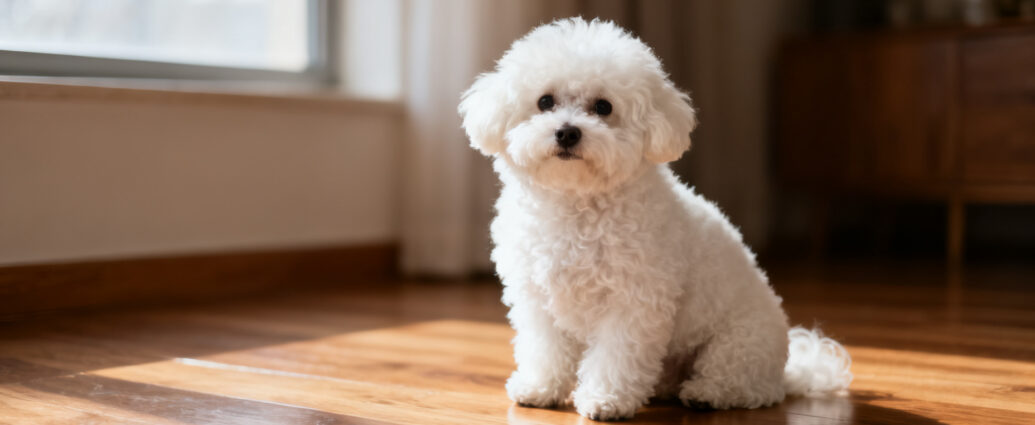
2. Bichon Frise: Cheerful, But You’re Paying for That Coat
The Bichon’s coat doesn’t shed, but taking care of it is a lot of work. That fluffy white cloud needs brushing every other day – fifteen to twenty minutes each time – or you’ll have tangles everywhere. Taking them to a professional groomer every four to six weeks is a must. Picture paying ninety to a hundred and twenty dollars every visit, and don’t skip appointments unless you want to spend hours untangling their fur.
They need a medium amount of exercise. Twenty-five to thirty-five minutes every day. They’re playful and like playing fetch, but they’re not going to run for miles. A couple of short walks and some playing inside usually does it.
Where They’re Amazing: Their personality is where Bichons really shine. They’re honestly cheerful dogs, great with kids, and they do fine in apartments. They’re friendly – they want to be close to you – but they don’t fall apart when you leave them alone for a few hours. Training is easy because they’re smart and eager to learn. They don’t bark much if they’re not bored.
Health-wise, they get allergies a lot (skin problems and environmental stuff) and tooth problems. Plan on going to the vet more often than with a Schnauzer. They live twelve to fifteen years, and they age pretty well if you take good care of their teeth.
3. Havanese: The Velcro Dog That’s Worth It
The Havanese has long, silky hair that will get tangled if you don’t brush three to four times a week. Each time takes about fifteen minutes. Most owners get a shorter “puppy cut” from a groomer every six to eight weeks, which makes it way easier at home – you only need to brush twice a week then. Grooming costs around eighty to a hundred and ten dollars.
They don’t need much exercise. Twenty to thirty minutes every day. A couple of short walks, some playtime, and they’re happy. They were bred to hang out with people, so they don’t need tons of physical activity.
But here’s the thing – they’re velcro dogs. They want to be with you, on you, near you all the time. If you work from home or can bring them with you places, they’re perfect. If you’re gone eight hours every day, they’ll have a really hard time. You can train them to handle being alone, but it takes a lot of work. Separation anxiety is common with this breed.
Their health is usually good. Watch for loose kneecaps and heart murmurs when they get older. Taking care of their teeth is super important. They live fourteen to sixteen years.
4. Maltese: Elegant and Easier Than They Look
The Maltese has long, white, silky hair – sounds like a lot of work, right? But if you keep it in a short trim (most regular owners do), brushing twice a week for ten minutes is enough. If you let it grow long, you’re brushing every single day. Professional grooming every six to eight weeks costs around seventy-five to a hundred dollars.
They need very little exercise. Twenty to twenty-five minutes every day. A slow walk and some playing inside. They’re lap dogs, not athletes.
Their Personality: They’re loving without being clingy. They’re happy to nap near you but they don’t completely lose it when you leave for work. Barking can be a problem – they’re alert little dogs – but training helps a lot. They’re smart and respond really well when you reward good behavior.
Health problems include tooth issues (normal for tiny breeds), loose kneecaps, and sometimes liver problems. They live twelve to fifteen years. Taking care of them when they’re old is pretty straightforward.
5. Toy Poodle: Smart, But That Brain Needs Work
The Toy Poodle coat truly doesn’t shed and doesn’t tangle as easily as people think – if you brush twice a week for fifteen minutes. Professional grooming every six to eight weeks is normal, costing eighty to a hundred and twenty dollars depending on the haircut style. You can learn to groom them at home; their coat cooperates pretty well if you learn the basics.
They need a medium amount of exercise. Thirty to forty minutes every day. They’re athletic for such a tiny breed and they like longer walks or play sessions. A backyard is a nice bonus.
The Challenge: Here’s the catch – they’re smart. Really, really smart. That brain needs things to do. Training, puzzle toys, games where they sniff things out – if you don’t give them mental challenges, they’ll make up their own entertainment, and you won’t like what they come up with. They’re not dogs that do well being independent. They want to interact with you, stay engaged, have a job to do.
Their health is usually excellent. Watch for loose kneecaps and eye problems (some family lines get a disease that makes them go blind). They live twelve to fifteen years, often even longer. They age really well.
6. Shih Tzu: The Couch Potato with a Grooming Bill
The Shih Tzu coat is long, thick, and tangles super easily. You need to brush every single day – ten to fifteen minutes – if you keep it long. Most regular owners get a short trim and brush every other day. Professional grooming every six to eight weeks costs around eighty to a hundred dollars. Skip an appointment and you’ll pay extra for untangling.
They need very little exercise. Twenty to twenty-five minutes every day. A short walk, some play, done. They were bred to be companion dogs, not athletes. A backyard is nice but you don’t need one.
How They Are: Their personality is super easygoing. They’re happy to hang out on the couch, nap in your lap, follow you from room to room without being nervous about it. They don’t bark a lot. Training is… well, they’re stubborn. Using treats as rewards helps.
Health problems are pretty significant. They have flat faces which causes breathing problems, eye issues (they get ulcers on their eyes easily), tooth disease, and ear infections. Plan on more vet visits than other breeds on this list. They live ten to sixteen years, but when they’re old they often need more medical care.
7. Yorkshire Terrier: Feisty and Fine, If You Can Handle the Grooming
The Yorkie coat is thin, silky, and tangles really easily. You need to brush every day – ten minutes – if you keep it long. A short puppy cut makes life easier: you can brush every other day. Professional grooming every six to eight weeks costs seventy to a hundred dollars. The coat is beautiful but you have to be consistent.
They need low to medium exercise. Twenty-five to thirty minutes every day. They’re terriers, so they have energy, but they’re small enough that playing inside counts for a lot. A walk plus some fetch or tug-of-war usually covers it.
Their Attitude: Their personality is feisty. They’re confident, alert, and often think they’re way bigger than they actually are. Barking is common – they think they’re guard dogs. They can be stubborn when you’re training them. They’re loving with their family but not always friendly with strangers or other dogs. Getting them used to other people and dogs when they’re puppies really matters.
Health problems include loose kneecaps, tooth disease (their mouths are tiny), collapsing windpipe, and low blood sugar in puppies. They live twelve to fifteen years. They’re not the healthiest breed on this list.
The Breeds That Didn’t Make the Cut (And Why)
The Coton de Tulear is a wonderful dog, but that coat is a full-time job. Daily brushing – twenty to thirty minutes – or you’re dealing with tangles that need a professional to fix (expensive and not fun for the dog). Non-shedding, yes. Low maintenance? Absolutely not.
The Lhasa Apso has a gorgeous coat that tangles if you even look at it wrong. Even with a short trim, you’re brushing several times a week. And they’re independent to the point of being stubborn, which makes training harder than most people expect. They’re also distant with strangers and can snap if you don’t get them used to people when they’re young.
The Bolognese is rare, charming, and needs brushing every day plus frequent professional grooming. The coat is cottony and tangles easily. They also get really anxious when left alone, which means extra training and work on top of all the grooming.
Making It Even Easier: Gear and Routines That Actually Help
Home Grooming Tools You Actually Need
Picture investing in a good set of clippers (Andis or Wahl brands, around eighty to a hundred and fifty dollars), a slicker brush that works on hair-type coats (not the cheap ones – spend thirty to forty dollars on a quality brush), and a metal comb for checking for tangles. You don’t need a grooming table, but a non-slip mat on your counter or table makes everything easier.
The Realistic Weekly Schedule
Every week:
• Brushing (ten to twenty minutes depending on the breed and how long their coat is)
• Ear checks (wipe with a damp cloth if needed, two minutes)
• Teeth brushing (two to three minutes daily, or at least every other day)
Every month:
• Nail trims (five minutes if your dog cooperates, longer if they fight you)
• Sanitary trim if you’re doing it yourself (five to ten minutes)
Every three months:
• Professional grooming or a complete home grooming session with a bath, full haircut, and checking their anal glands
Dental Care Tips: Use a finger brush or small dog toothbrush with enzymatic toothpaste (dogs hate mint flavor). Start slowly and give lots of treats. Dental chews help but they’re not a replacement for brushing.
Nail Care Tips: Get a good pair of small dog nail clippers or a grinder (lots of dogs handle grinders better). If your dog acts like nail trims are the worst thing ever, practice touching their paws every day and give rewards for staying calm. Getting them used to it takes time but saves everyone stress.
When to Just Pay Someone Else
If you hate grooming, just pay for it. If your dog squirms like crazy for nail trims, pay the groomer. If you actually enjoy the hands-on work and have the time, learning to do a basic trim at home saves you hundreds of dollars every year. Most owners do a little of both – maintenance at home between professional grooming appointments.
The Bottom Line on Low-Maintenance Non-Shedders
Even the easiest breed on this list – the Miniature Schnauzer – needs three to four hours every week for exercise, grooming, training, and general care. Add roughly a hundred to a hundred and fifty dollars every month for professional grooming, food, and regular vet visits. That’s the minimum, not the maximum.
“Low maintenance” means easier compared to other small dogs, not compared to a pet rock. These breeds are your best choice if you want a small dog that doesn’t shed. But they’re definitely not a no-effort choice. If you’re ready for that reality, they make wonderful companions. If you’re expecting a dog that takes care of itself, honestly, get a cactus instead.