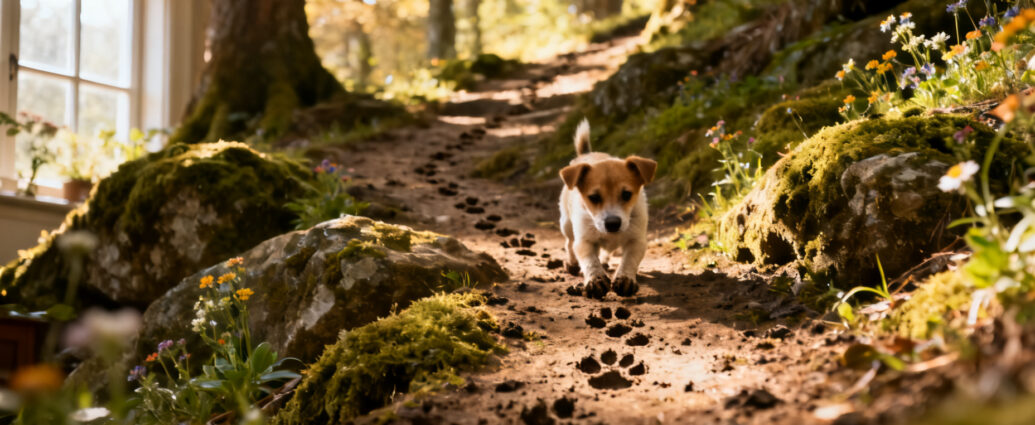
Terriers were made to chase rats and mice across bumpy Scottish hills for hours and hours. Chihuahuas come from desert dogs that walked really long distances in super hot, tough places. Being small never meant they were supposed to just sit around!
When you look at how much muscle small dogs have compared to their size, and how strong their hearts are, healthy small dogs are just as tough as bigger dogs. They just take more steps to go the same distance. The idea that they’re “fragile lap dogs” comes from old-fashioned trends and Instagram photos – not from what their bodies can actually do.
Here’s the real difference: Picture a healthy 12-pound Yorkie on an easy trail. They’re not struggling at all! They’re doing exactly what their body was designed to do, just in a smaller package. We’ve thought “small” means “weak” for so long that we forgot what these dogs were made for in the first place. And guess what? It definitely wasn’t sitting in a purse!
What small dogs were originally bred to do:
– Hunt small animals in tough terrain
– Work all day without stopping
– Climb over rocks and through tight spaces
– Keep up with farmers and hunters on long walks
What Hiking Does for Small Dog Brains (That the Dog Park Doesn’t)
New smells, going up and down hills, and figuring things out – like getting over rocks, logs, and little streams – give your dog’s brain a workout that your backyard just can’t match. Your dog’s brain actually works differently on a trail!
Small dogs that get nervous or bark a lot often act much calmer after they go hiking regularly. The steady, keep-moving-forward feeling of hiking helps their nervous systems in a way that crazy off-leash playtime doesn’t. There’s no surprise Golden Retriever running at them full speed – just the trail to explore and smells to check out.
Different breeds get different benefits here. Dogs that love smelling things, like Beagles and Dachshunds, finally get to use their noses the right way. Terriers get the challenge they need, which stops them from tearing up stuff at home. Imagine a terrier who’s properly tired – that’s a terrier who won’t rip apart your couch pillows!
A Local Dog Owner’s Take: “My neighbor’s Jack Russell used to dig under the fence every single week. Once she started taking him on the trails at our local state park three times a week, he stopped completely. He’s too happily tired to even think about escaping anymore!”
The tired feeling from a two-hour hike creates the good kind of exhaustion that actually helps small dogs sleep through the whole night. It’s not just their body that’s tired – it’s the deep, happy sleep that comes when their brain has been used properly.
The Confidence Factor: How Trails Build Braver Dogs
Small dogs who get carried everywhere never learn to trust what their own bodies can do. Going hiking regularly builds body awareness, sure footing, and real confidence that shows up in all parts of their life.
When your dog successfully gets through a hard part of the trail, it creates real confidence that makes them less scared and reactive. Picture your Pomeranian confidently jumping down a rocky hill that would have scared them a month ago – that physical success changes how they see themselves. And how they see the world around them.
The friendship that happens when your dog looks back at you on a trail to check in, or pushes through something difficult because you encouraged them, is really different from just playing in the backyard. You become a trusted adventure buddy, not just the person who feeds them. That eye contact on a winding trail path means something special.
Dogs that hike all the time often show less fear of strangers and new places because they’ve proven to themselves they can handle new stuff. The confidence they build on a trail doesn’t stay on the trail – it comes home with them.
Signs your dog is building confidence:
– They pull toward new trails instead of away from them
– Less whining or barking at unfamiliar sounds
– More willingness to explore on their own (while still on leash)
– Better focus on you during challenging moments
Addressing the ‘But What About…’ Concerns
Getting too hot is a real worry, but you can handle it. Small dogs actually cool down more easily than big breeds because of how their body size works. The real problem is that they’re closer to hot pavement or dirt. Morning or evening hikes and protecting their paws fix this. It’s not about their size – it’s about when you go!
Simple Heat Safety Rules:
– Hike before 9 AM or after 6 PM in summer
– Put your hand on the ground for 7 seconds – if it’s too hot for your hand, it’s too hot for paws
– Bring twice as much water as you think you need
– Take breaks in shady spots every 15-20 minutes
Wild animals: A small dog on a leash with an owner paying attention is actually safer than a big dog running around off-leash. Most wild animals stay away from trails where people walk. Being aware matters way more than being big. Know what animals live in your area, hike when it’s light out, keep your dog close to you. Common sense beats worrying too much.
Worried about injuries from rocks and roots? Small dogs are actually closer to the ground and often have better balance than big dogs on tricky trails. The real danger is owners not building up their dog’s fitness slowly or picking trails that are too hard too fast. Imagine a Miniature Pinscher – they’ve got better balance on a narrow trail than a clumsy teenage Lab!
The carrying question: Yes, absolutely bring a dog backpack for emergencies or if they get too tired. But if you start out thinking you’ll have to carry them, that’s exactly what will happen. Most small dogs will hike way further than you expect if you give them the chance to try.
How to Actually Start (Without Overdoing It)
Start with one or two mile trails that are pretty flat. Watch how your dog acts afterward – they should feel normal again within a few hours, not be limping for two days. Then slowly add a half-mile at a time. Going slow isn’t just safer – it’s how you build a hiking dog that can keep going for years.
The breed your dog is really matters here. Dogs with short snouts like Shih Tzus and Pugs need to go slower and take more breaks. Dogs with long backs – Dachshunds and Corgis – do better on trails where they don’t have to jump a lot. Dogs with thin fur need jackets or cooling vests depending on the weather. Work with your dog’s body type, not against it.
Getting their paws tough matters even more than overall fitness at first. Start on softer ground like dirt paths and grass before trying rocky trails. Check their paw pads after every single hike. Don’t feel weird about using dog boots if you’re moving up to rougher trails. A torn paw pad can end your hiking season really fast.
Gear That Actually Matters:
| Item | Why You Need It | What to Look For |
|---|---|---|
| Harness (NOT a collar) | Keeps them safe, protects their neck | Should fit snug but you can fit two fingers under it |
| 6-foot leash | Good length for control and freedom | Comfortable handle that won’t hurt your hand |
| Collapsible water bowl | They need water every 20-30 minutes | Lightweight, clips to your bag |
| Small first-aid kit | For cuts, scrapes, or bee stings | Includes tweezers, gauze, and dog-safe antibiotic cream |
Skip the cute Instagram bandanas until you know how your dog hikes. What works comes first, looking cute comes later.
What Success Actually Looks Like
Your small dog pulling toward the trailhead parking lot instead of back to the car after a few trips out. Showing excitement instead of fear. That change tells you everything you need to know.
You’ll see real fitness improvements. Imagine your Westie who needed three rest stops on a 2-mile trail now zooming through without stopping after six weeks of regular hiking. That’s not just imagination – that’s what happens when you train properly and consistently!
Changes in behavior at home: Less chewing things out of boredom, better sleep at night, and often less barking or nervous behaviors because their need for adventure and challenge is finally being met. A hiking dog is usually a quieter dog at home. Your neighbors will definitely thank you.
Real Talk: Picture this – you’re on the trail with your 9-pound Chihuahua who just finished five miles, and YOU’RE the one who’s exhausted. That’s when you know you’ve discovered what your small dog was truly capable of the whole time. They were never the problem. We were.
The best part? Once you start hiking with your small dog around here, you’ll meet other small dog hikers on the trails. There’s a whole community of us who’ve figured out that our little dogs are actually tough adventurers. You’ll swap trail recommendations, compare gear, and celebrate each other’s dogs conquering new challenges. It becomes more than just exercise – it becomes your thing together.